

Cross Switch has strengthened its leadership team in East Africa with the appointment of Gillian Koinange as Head of Business Development, East Africa — a move that signals the company’s growing ambition to expand its influence across one of Africa’s most dynamic digital payments markets. This strategic appointment reinforces Cross Switch’s commitment to accelerating growth, deepening regional partnerships, and advancing the adoption of innovative payment solutions that meet the evolving needs of businesses and consumers alike.
With more than two decades of experience across Africa, Gillian brings a proven track record in driving revenue growth, building strategic partnerships, and delivering commercial success in highly competitive markets. Her expertise spans key sectors including IT, telecommunications, fintech, and SaaS — industries that continue to shape Africa’s digital transformation journey. She is widely recognized for scaling pan-African portfolios, leading high-performing teams, and navigating complex market environments with measurable results.
In her new role, Gillian will focus on expanding Cross Switch’s footprint across East Africa, strengthening relationships with key stakeholders, and driving wider adoption of the company’s payment technologies. Her leadership is expected to play a critical role in positioning Cross Switch as a trusted payments enabler in the region, especially as demand grows for seamless, secure, and scalable digital financial solutions. This appointment comes at a time when East Africa continues to emerge as a strategic hub for fintech innovation and cross-border commerce.
Her previous leadership roles, including overseeing new sales initiatives across Africa and managing strategic global client relationships at PayU in Nairobi, demonstrate her ability to negotiate high-value contracts and cultivate long-term partnerships. Beyond her professional achievements, Gillian’s client-centric mindset, regional expertise, and commitment to innovation make her a strong fit for Cross Switch’s vision of delivering high standards in service and technology-led transformation.
Gillian Koinange’s appointment underscores Cross Switch’s broader strategy of investing in leadership that can unlock sustainable growth and drive meaningful impact in Africa’s evolving payments ecosystem. As digital transactions continue to define the future of commerce, strong leadership at the regional level will be essential in building resilient, inclusive, and future-ready financial infrastructure. This move places Cross Switch in a stronger position to contribute to the next phase of fintech advancement across East Africa.
Gillian Koinange Named Head of Business Development for EA at Cross Switch

Celebi Aviation Strengthens Kenya Commitment After Ksh 5.2B Acquisition

Celebi Aviation is making a strategic shift in East Africa, choosing to exit Tanzania while doubling down on its investment in Kenya — a move that reflects the company’s long-term vision for growth in high-value aviation and logistics markets. The Turkish ground handling services provider confirmed that its withdrawal from Tanzania follows the expiry of its concession agreement and comes after a review of operating conditions. Importantly, the company has clarified that this is not a retreat from the region, but rather a calculated decision to focus resources on markets with stronger long-term potential.
At the center of this strategy is Kenya, where Çelebi recently entered the market through a KSh 5.2 billion acquisition of Transglobal Cargo Centre Ltd. This acquisition provides the company with immediate operational access to critical airport infrastructure and cargo handling services at Jomo Kenyatta International Airport (JKIA) — one of Africa’s busiest aviation hubs. The Nairobi-based facility is responsible for handling a significant share of the country’s annual air freight volumes, positioning Çelebi at the heart of East Africa’s logistics ecosystem.
Kenya’s aviation cargo market is projected to grow by approximately 5% annually over the next five years, making it an increasingly attractive destination for global logistics and ground handling firms. As regional trade flows continue to expand, Kenya’s role as a logistics gateway for East Africa becomes even more strategic. By strengthening its presence in Nairobi, Çelebi is aligning itself with a market that offers both scale and future growth opportunities in cargo movement, aviation support services, and cross-border trade facilitation.
The move also reflects a wider industry trend where global aviation service providers are prioritizing selective high-growth hubs over broad but less efficient regional coverage. Rather than maintaining uniform operations across multiple markets, companies are increasingly directing capital, management focus, and operational expertise toward locations that promise stronger returns and sustainable expansion. For Çelebi, Kenya represents such a market — one with the infrastructure, demand, and geographic relevance to support long-term business objectives.
Founded in 1958 and publicly listed on Borsa Istanbul, Çelebi Aviation continues to expand its footprint across Europe, Asia, and Africa while serving hundreds of airline customers worldwide. Its decision to reinforce operations in Kenya demonstrates confidence in the country’s aviation and logistics sector, while also underscoring East Africa’s growing importance in global trade networks.
Sebastian Sawe Becomes First Man to Run Marathon Under 24hrs with Stunning World Record

The 2026 London Marathon has delivered one of the most historic moments in global athletics, as Kenya’s became the first person in history to complete an official marathon in under two hours. Crossing the finish line in 1:59:30, Sawe not only secured victory but also redefined the limits of human endurance. His remarkable performance broke the previous world record by 65 seconds, surpassing the 2:00:35 mark set by in 2023. This achievement marks a transformative moment in marathon history and cements Sawe’s place among the greatest distance runners of all time.
What makes this feat even more significant is that it was achieved in an official race setting — unlike previous sub-two-hour attempts conducted under specially controlled conditions. While famously broke the two-hour barrier in Vienna in 2019 during the non-record-eligible INEOS 1:59 Challenge, Sawe’s performance in London now stands as the first recognized official sub-two-hour marathon. Running across the streets of London in competitive conditions, he surpassed even Kipchoge’s unofficial time, proving that what was once considered nearly impossible has now become a reality.
Sawe’s run was not only fast, but strategically exceptional. Maintaining an extraordinary pace throughout the 42.195-kilometer course, he made a decisive solo break in the final two kilometers, sprinting toward the finish with confidence and control. Ethiopia’s also dipped below the two-hour mark in 1:59:41 during his marathon debut, while Uganda’s secured third place. Together, these performances highlight a new era in marathon racing where elite competition continues to push the boundaries of athletic achievement.
Beyond the record itself, Sawe’s commitment to integrity in sport has drawn equal attention. In a strong statement for clean athletics, he reportedly undertook 25 additional voluntary drug tests ahead of his Berlin Marathon victory and continued to champion transparency in elite racing. His approach has been widely praised by fellow athletes, including Kejelcha, who described it as an important example for the future of clean sport. This emphasis on credibility strengthens the impact of his achievement and reinforces trust in one of the sport’s greatest milestones.
Sawe’s performance has shifted the goalposts for marathon running and inspired a new generation of athletes worldwide. From the early 2000s, when world-best times hovered above 2:05, to this groundbreaking 1:59:30 in 2026, the evolution of marathon racing has been extraordinary. Kenya’s continued dominance in long-distance running remains undeniable, and once again, the nation has produced an athlete who has changed sporting history forever.
Joel Kaba Appointed New Director of Youth Financial Services at Cooperative Bank

Joel Kaba has stepped into a pivotal leadership role as Director, Youth Financial Services at the Co-operative Bank of Kenya , bringing with him a wealth of experience in strategy, growth, and digital innovation. Having joined the institution in April 2026, he is tasked with leading the bank’s efforts in developing youth-focused financial solutions that are accessible, innovative, and aligned with the evolving needs of a digitally connected generation. His appointment reflects the growing importance of tailored financial services in driving inclusion and long-term economic empowerment for young people.
With over 15 years of experience in the telecommunications industry, Joel Kaba has built a strong reputation as a commercially driven and technically skilled leader. His expertise lies in scaling digital platforms, developing and launching new products, and driving customer growth across multiple markets. His work has unlocked sustainable revenue opportunities in six countries — Kenya, Uganda, Tanzania, Rwanda, Zambia, and Malawi — demonstrating his ability to deliver impact at both local and regional levels. This cross-market experience positions him as a strategic asset in shaping the future of youth financial services.
Before joining Co-operative Bank, Joel held senior leadership positions at Safaricom PLC and Airtel Africa, where he led startup initiatives and turnaround strategies for multiple business units. His contributions were marked by large-scale transformation efforts and consistent commercial success, proving his ability to navigate complex markets while delivering measurable outcomes. These achievements underline the depth of leadership he now brings into the banking sector, particularly in advancing digital-first financial ecosystems.
At the heart of his professional mission is a passion for advancing financial inclusion, especially among youth. His focus on innovative and digitally enabled financial services aligns with broader efforts to bridge gaps in access and empower underserved communities. As financial institutions increasingly look to technology as a catalyst for inclusion, Joel’s leadership is expected to accelerate the design of solutions that resonate with younger demographics while creating sustainable value for the institution and its stakeholders.
Joel’s academic background further strengthens his profile as a forward-thinking leader. He holds a Bachelor of Science in Computer Science and Engineering from Maseno University , along with executive certifications from Boston University in Leadership in the Digital Age and Platform Strategy for Business.
BasiGo Begins Electric Van Assembly in Kenya’s Matatu Sector

BasiGo, a Kenyan electric mobility company, has begun local assembly of its electric vans, marking a significant step toward the potential electrification of Kenya’s public transport sector. This development signals growing momentum in efforts to shift the country’s high-usage transport systems toward cleaner and more sustainable energy solutions.
The company is assembling its Ma3e electric vans in partnership with Associated Vehicle Assemblers Limited (AVA) in Mombasa, using Complete Knocked Down (CKD) kits. The first batch of 22 locally assembled units is expected to be delivered between April and May, reflecting an important milestone in local EV manufacturing capacity.
Designed for high-utilisation use cases, the Ma3e vans are targeted at public transport, school transport, corporate shuttles, airport transfers, and hospitality services. With a range of up to 300 kilometres on a single charge, the vehicles are positioned to serve Kenya’s intensive daily mobility demands, particularly within the matatu ecosystem.
BasiGo has already been testing electric mobility through pilot deployments in Nairobi and intercity routes such as Nyahururu–Nyeri–Nakuru and Nairobi–Thika. These trials have helped validate performance and contributed to growing demand, with the company reporting a reservation pipeline of over 500 electric vans.
With Kenya’s public transport sector dominated by matatus and a national fleet of millions of vehicles, analysts view local assembly as a key step toward reducing import dependence and accelerating adoption. As charging infrastructure and financing models continue to evolve, BasiGo plans to scale deployment to thousands of units, positioning electric vans as a viable alternative in the country’s transport transition.
MECS Invests $750K in Kenyan Clean Cooking Innovators

The Modern Energy Cooking Services (MECS) programme has committed $750,000 (KES 97 million) to support three Kenyan clean cooking innovators—Ecobora, PowerUp, and Sun-Power Box—in a strategic push to accelerate the country’s transition toward sustainable energy solutions. The funding is aimed at scaling locally developed electric cooking technologies across institutions, schools, and households.
This investment is designed to expand access to affordable electric cooking (e-cooking) solutions, reinforcing the role of homegrown innovation in addressing Africa’s pressing energy and climate challenges. The supported companies have already demonstrated viable, cost-effective technologies that are being deployed in real-world settings, showcasing both scalability and impact potential.
Industry leaders have emphasized the urgency of accelerating clean cooking adoption, noting its significance for health, environmental sustainability, and economic empowerment. With millions still dependent on biomass fuels such as wood and charcoal, the transition to cleaner alternatives remains a critical development priority across sub-Saharan Africa.
Despite its promise, early-stage clean cooking innovation continues to face financing gaps that limit scale and market penetration. MECS’ intervention seeks to de-risk these ventures by supporting research, testing, and validation, helping them attract additional investment and strengthen their long-term commercial viability.
Beyond direct funding, the initiative reflects a broader shift in clean energy financing models, where catalytic capital is used to unlock larger investment flows. As momentum builds across the sector, MECS is calling on investors, development partners, and governments to collaborate in scaling clean cooking solutions that improve lives while supporting climate and energy goals.
John Korir Breaks Boston Marathon Course Record

John Korir delivered a historic performance at the Boston Marathon, successfully defending his title while setting a new course record of 2:01:52. In a race defined by tactical endurance and late surges, he emerged strongest in the closing stages, reinforcing his dominance in elite marathon running.
The decisive moment came on the iconic Heartbreak Hill, where Korir broke away from the leading pack and overturned a strong challenge from Ethiopia’s Milkesa Mengesha. From that point, he maintained relentless pace, extending his lead to secure victory and etch his name further into Boston Marathon history.
Behind him, Tanzania’s Alphonce Simbu and Kenya’s Benson Kipruto completed a fiercely contested podium battle, both finishing inside the previous course record. The depth of the field was remarkable, with multiple athletes producing sub-2:06 performances, highlighting one of the most competitive editions of the race in recent history.
In the women’s race, Sharon Lokedi also successfully defended her title in 2:18:51, showcasing patience and strategic timing before making her decisive move in the final stages. She pulled away from fellow Kenyan contenders Loice Chemnung and Irine Cheptai, ultimately securing a commanding victory.
Both Korir and Lokedi’s back-to-back triumphs mark a rare achievement, with the last double title defence at Boston occurring in 1996. Their performances not only underline Kenyan dominance in distance running but also reinforce Boston’s reputation as one of the most tactically demanding and prestigious marathon courses in the world.
Lilian Nyawanda Appointed as Acting Commissioner General at KRA

KRA(KENYA REVENUE AUTHORITY) has appointed Dr. Lilian Nyawanda as Acting Commissioner General, marking a significant leadership transition within one of Kenya’s most critical public institutions. Nyawanda steps into the role following the exit of Humphrey Wattanga, who will proceed on terminal leave after the Board’s decision not to renew his contract.
The transition reflects a strategic move by the Authority’s leadership to ensure continuity while laying the groundwork for long-term leadership. KRA Board Chair Ndiritu Muriithi acknowledged Wattanga’s contributions, highlighting his role in advancing the Authority’s mandate and spearheading key organisational restructuring reforms aimed at improving operational efficiency and revenue collection.
Nyawanda brings to the interim role her experience as Commissioner for Customs and Border Control, a position that has placed her at the center of trade facilitation, revenue enforcement, and border management. Her appointment signals confidence in her ability to provide stability and leadership as the Authority navigates this transition period while maintaining its critical role in supporting Kenya’s economic framework.,
The Board has confirmed that the appointment is temporary, with plans underway to initiate a competitive recruitment process for a substantive Commissioner General. This approach underscores a commitment to transparency, governance, and the selection of leadership that aligns with the evolving demands of Kenya’s tax administration and public finance management.
As the transition unfolds, the focus remains on sustaining institutional momentum, strengthening reforms, and enhancing service delivery. Leadership continuity at the Kenya Revenue Authority is essential in driving revenue performance, supporting national development priorities, and reinforcing public trust in the country’s fiscal systems.
Zerobionic Joins Qualcomm 2026 Africa cohort

Zerobionic has earned continental recognition after being selected among ten innovators for the 2026 cohort of Qualcomm’s Make in Africa Mentorship Programme. The milestone highlights Kenya’s growing influence within Africa’s deep technology ecosystem and reinforces the country’s reputation as a hub for cutting-edge innovation addressing real-world challenges.
Based in Nairobi, Zerobionic is developing assistive robotics solutions aimed at improving independence and inclusion for persons with disabilities. Its selection underscores the rising demand for accessible, impact-driven technologies across the continent, as well as the ability of African startups to leverage advanced engineering to solve critical societal needs. The recognition positions Zerobionic among a new wave of innovators redefining how technology can drive inclusion and social impact.
The Make in Africa programme, now in its fourth year, is part of Qualcomm’s broader Africa Innovation Platform, designed to support early-stage startups in fields such as artificial intelligence, smart systems, and connected technologies. Through the programme, selected startups gain access to mentorship, engineering expertise, business training, and intellectual property support, enabling them to refine and scale their solutions for broader market adoption.
Zerobionic’s inclusion is particularly significant given the scale and competitiveness of the selection process, with over 1,200 applications received from more than 45 African countries. The programme, implemented in partnership with the African Telecommunications Union, brings together a diverse cohort of startups tackling challenges across sectors including agriculture, water access, electric mobility, and smart infrastructure—key pillars for Africa’s sustainable development.
As the programme progresses, participants will benefit from hands-on support, access to advanced development tools, and opportunities for funding, including potential grants and stipends. For Zerobionic, this opportunity not only accelerates its growth trajectory but also reinforces Kenya’s leadership in innovation, showcasing how local startups are contributing to a more inclusive, technologically advanced future across Africa.
Zenith Bank PLC Enters Kenyan Market by Acquiring Paramount Bank Limited
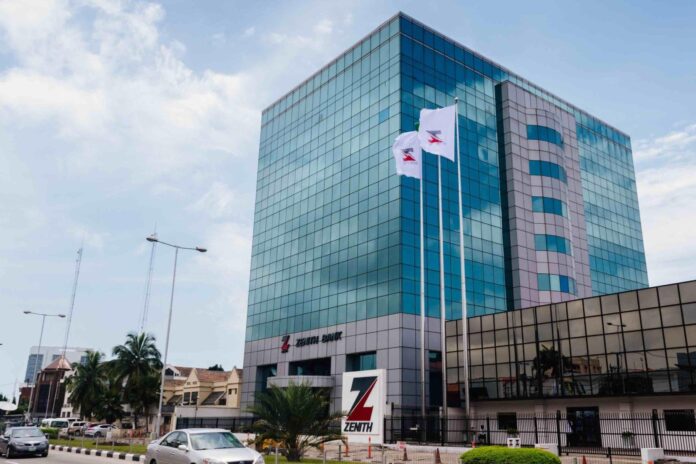
Zenith Bank Plc has officially entered the Kenyan banking market following the completion of its 100% acquisition of Paramount Bank Limited on April 7, 2026. The move marks a significant milestone in the Nigerian lender’s long-term growth strategy and signals a deepening of cross-border banking expansion into East Africa. It also reflects increasing confidence in Kenya’s financial sector as a strategic gateway to the region.
The acquisition follows an earlier announcement in November 2025, when Zenith Bank disclosed its intention to expand into East Africa and began pursuing regulatory approvals. With all approvals now secured, the deal represents a successful execution of that vision, positioning the bank to establish a strong foothold in one of Africa’s most dynamic banking markets while reinforcing its presence across Sub-Saharan Africa.
Regulatory clearance was granted by the Competition Authority of Kenya, which determined that the transaction would not negatively impact competition within the sector. As part of the approval conditions, Zenith Bank committed to retaining all 78 employees of Paramount Bank for at least 12 months, ensuring operational continuity and workforce stability during the transition. Final approvals were also received from the Central Bank of Kenya and the Central Bank of Nigeria.
This entry into Kenya aligns with a broader trend of Nigerian banks expanding regionally, joining players such as Access Bank (Kenya) PLC, United Bank for Africa, and GTBank Kenya already operating in the market. The acquisition provides Zenith with immediate access to corporate banking, SME lending, trade finance, and retail banking capabilities, while also unlocking opportunities tied to East Africa’s growing trade networks and digital financial ecosystem.
Founded by Jim Ovia, Zenith Bank continues to strengthen its global footprint with operations spanning West Africa and international presence in key markets such as the UK, UAE, China, and South Africa. The integration of Paramount Bank is expected to enhance customer offerings over time while maintaining short-term service continuity, positioning the combined entity to capitalize on innovation, regional connectivity, and evolving financial services demand across East Africa.
