

back to top
Home Blog Page 30

Imran Sumra Recognized as One of the 50 Most Influential Muslim CEOs in Kenya

0

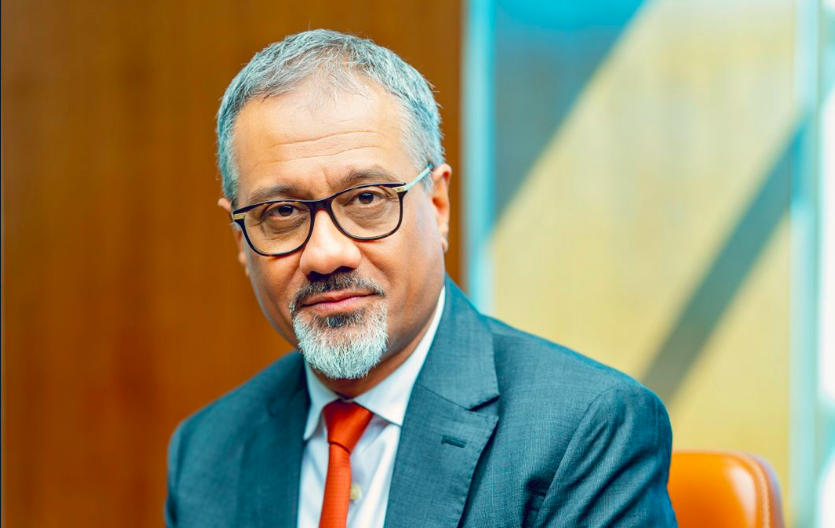
Imran Sumra, CEO of FinSense Africa, has been recognized as one of the 50 Most Influential Muslim CEOs in Kenya by The Muslim CEO Africa. With over 20 years of experience in financial technology, Imran has played a pivotal role in shaping the fintech landscape. His transition from a successful career in banking technology to founding FinSense Africa highlights his dedication to innovation, digital transformation, and excellence in financial services.

Under Imran’s leadership, FinSense Africa has emerged as a leader in providing cutting-edge solutions and consulting services to financial institutions and payment companies. The company’s advanced middleware seamlessly connects legacy systems with modern digital channels, leveraging microservices architecture to enable real-time financial operations. His strategic vision has positioned FinSense Africa as a key player in bridging technology gaps within the financial sector.

The recognition of Imran Sumra among Kenya’s top Muslim CEOs is a testament to his contributions to the financial technology industry. His relentless pursuit of simplifying complex financial processes and driving digital innovation has significantly impacted businesses, financial institutions, and the broader fintech ecosystem. This honor acknowledges not just his leadership but also his influence in advancing financial inclusion and technological progress.

The 50 Most Influential Muslim CEOs Breakfast and Award Gala will take place on February 27, 2025, at CityBlue Hotels and Suites. This prestigious event will celebrate the achievements of industry leaders like Imran Sumra, who continue to inspire and drive meaningful change in their respective fields.

#Leadership #Fintech #Innovation #DigitalTransformation #FinancialTechnology #Kenya #MuslimCEOs #FinsenseAfrica


CS Kabogo, Amb. Thigo Leads Kenya at France AI Summit

0
AI technology microchip background digital transformation concept

Kenya is making strides in the global AI conversation, with ICT and Digital Economy CS William Kabogo and Special Envoy on Technology Ambassador Philip Thigo leading the country’s delegation at the France AI Action Summit in Paris. The summit, which has been a year in the making, brings together global leaders to discuss AI’s impact, opportunities, and challenges. Kenya, alongside other African nations like Senegal, South Africa, Togo, and Mauritania, played a significant role in shaping the summit’s agenda through working groups and steering committees.

During a press conference, French officials emphasized that their discussions with African countries were insightful and critical in shaping AI initiatives tailored to the continent’s needs. These discussions led to the birth of the “AI Foundation,” an initiative designed to finance global public-interest AI projects through public-private partnerships. The initiative aims to ensure AI benefits are equitably distributed, especially in developing economies like those in Africa.

France recognizes AI as a transformative technology that presents both immense opportunities and complex challenges. The summit focuses on practical actions to ensure that AI development is inclusive and addresses issues such as data governance, energy consumption, and digital equity. With AI’s rapid evolution, African countries are looking to build capacity and develop strategies to harness its potential for economic growth and innovation.

The summit is co-chaired by France and India, with participation from countries across Africa, Asia, Latin America, and Europe. Discussions revolve around ensuring AI is not monopolized by leading powers but instead developed in a way that supports emerging markets. The goal is to create an environment where diverse nations can innovate, secure funding, and establish AI-driven startups to compete on the global stage.

Key focus areas of the summit include Public Interest AI, the Future of Work, Innovation and Culture, Trust in AI, and Global AI Governance. These discussions aim to provide clear strategies for AI adoption, ensuring sustainable and responsible AI development. At the end of the summit, France and the European Union hope to establish concrete deliverables that will shape the future of AI governance and application.

With AI becoming an integral part of everyday life, Kenya’s participation in such high-level discussions highlights its commitment to leveraging AI for national and regional growth. As global AI policies take shape, Kenya is positioning itself to be a key player in AI innovation, regulation, and adoption.

#KenyaAI #AIAfrica #DigitalTransformation #ArtificialIntelligence #AIActionSummit #TechInnovation #GlobalAI

6,000 Youths Gains Essential Digital Literacy Skills Training

0
Three african american girls sitting on the table of caffe and looking on mobile phone.

The Huawei DigiTruck Initiative has reached a remarkable milestone, benefiting over 6,000 youth in Kenya since its launch in 2019. By equipping young people with essential digital skills, the program is bridging the digital divide and preparing the next generation to thrive in the rapidly evolving ICT industry. This transformative initiative has become a cornerstone for empowering youth and creating opportunities for economic growth.

DigiTruck, a mobile classroom converted from a shipping container, travels to remote and underserved areas to provide hands-on training in digital literacy. Equipped with laptops, smartphones, and Virtual Reality headsets, the facility opens new doors for young people, enabling access to online education, remote jobs, and digital trade. With a strong focus on inclusivity, the program ensures that rural communities are not left behind in the digital era.

Strategic partnerships have been instrumental to the success of DigiTruck. The collaboration involves Huawei Kenya, the Ministry of Information, Communication and The Digital Economy, county leadership, and training partners such as Computers for Schools Kenya. This joint effort underscores the importance of public-private partnerships in driving meaningful digital transformation in Kenya.

Speaking during the release of the DigiTruck 2024 Status Report, Hon. John Kiarie, MP for Dagoretti South, emphasized the program’s impact on empowering youth in underserved communities. He highlighted the vital role of ICT skills in unlocking economic potential, noting that digital literacy is now as essential as basic literacy and numeracy in today’s world.

The program’s 2024 achievements include training 1,648 youth, 55% of whom were female, from six counties: Trans-Nzoia, Kiambu, Murang’a, Nairobi, Uasin Gishu, and Marsabit. Adam Lane, Government Affairs Director at Huawei Technologies Kenya, encouraged the youth to continue upskilling and leveraging their new digital skills to solve local problems and secure online job opportunities.

Huawei’s DigiTruck Initiative represents a significant contribution to Kenya’s ICT and digital literacy landscape, cultivating a digitally skilled workforce that will drive the country’s digital economy. By fostering innovation and creating sustainable talent ecosystems, Huawei is playing a pivotal role in Kenya’s digital transformation journey.

#DigitalSkills #ICTTransformation #YouthEmpowerment #HuaweiDigiTruck #DigitalKenya #PublicPrivatePartnership #SustainableGrowth

KTB Launches Nationalwide Campaign to Enhance Kenya’s Tourism

0
Wise and old elephant, the gentle giant of the jungle, leading its majestic herd

The Kenya Tourism Board (KTB) has launched a groundbreaking nationwide campaign aimed at promoting Kenya’s diverse tourism offerings by highlighting hidden gems beyond the traditional circuits. This initiative marks a significant step towards showcasing the country’s untapped potential in tourism while encouraging more travelers to explore unique destinations.

In collaboration with the Tour Operators Society of Kenya (TOSK), KTB is championing sustainable tourism practices and establishing tourism information centers at key entry points across the country. This effort not only enhances the accessibility of information for visitors but also reinforces Kenya’s position as a premier travel destination.

KTB Chief Executive Officer June Chepkemei acknowledged the vital role played by tour operators, particularly within the Micro, Small, and Medium-sized Enterprises (MSMEs) sector, in unlocking Kenya’s full tourism potential. She highlighted the importance of leveraging partnerships to identify hidden gems and support entrepreneurs driving innovation in the tourism sector.

The campaign aligns with Kenya’s ambitious target of reaching three million visitors this year, building on the impressive 2.3 million tourist arrivals recorded in 2023. By diversifying tourism products and enhancing destination marketing, KTB and TOSK aim to strengthen regulatory frameworks and foster sustainable growth in the industry.

As part of the collaboration, nationwide promotion campaigns will include roadshows, familiarization trips, and digital marketing strategies to showcase Kenya’s hidden gems to both local and international audiences. These initiatives are expected to further boost the visibility of Kenya’s unique offerings and attract more visitors to explore the country.

This partnership is a significant milestone for the MSME sector and tour operators in Kenya. TOSK Chairperson Daniel Mbugua emphasized the importance of converting marketing efforts into tangible results, such as increased bookings and bed nights. By working together, KTB and TOSK are setting the stage for a transformative era in Kenya’s tourism industry.

#TourismKenya #SustainableTourism #MagicalKenya #HiddenGems #KenyaTourism #PartnershipForGrowth #DestinationMarketing

Kenyan Fintech Association United under One Umbrella Body

0

In a strategic move to further develop the fintech sector, five major representative associations have come together to form the Fintech Alliance (TFA). The alliance aims to drive the growth and development of the fintech industry, providing a unified voice for key players in the sector. This collaboration comes at a time when the sector is experiencing rapid growth, with increased regulations and investments reshaping the landscape.

The member associations that have formed the TFA include the Association of Fintechs in Kenya (AFIK), the Fintech Association of Kenya (FINTAK), the Digital Financial Services Association of Kenya (DFSAK), the Digital Credit Providers Association (DCPAK), and the Blockchain Association of Kenya (BAK). Together, these associations will work on lobbying for policy and regulatory reforms, supporting access to capital, fostering innovation, and driving economic and social growth across Kenya and the broader region.

Ali Hussein, the spokesperson for The Fintech Alliance, emphasized the collective strength of the group, stating that uniting under one banner allows them to better address challenges, seize new opportunities, and drive meaningful change within the fintech ecosystem. The TFA is committed to shaping the future of fintech, not only in Kenya but also on the global stage, by ensuring that industry growth is sustainable and inclusive.

The fintech sector in Kenya has seen remarkable developments, with a growing number of foreign firms entering the market and a surge in products and services being offered. From digital lending platforms to investment solutions, remittance services, cryptocurrency offerings, and buy now, pay later (BNPL) platforms, the market is becoming increasingly diverse and competitive. This innovation is further accelerated by the sector’s rapid growth and investment.

The fintech revolution has also attracted significant venture funding, with Kenya emerging as one of the largest recipients in East Africa. According to a new report by Africa: The Big Deal, Kenyan startups received 88 percent of the total venture funding raised in East Africa, making the country a key player in Africa’s fintech ecosystem. This influx of capital is helping drive the development of cutting-edge solutions and accelerating the sector’s overall impact.

As competition continues to grow and the regulatory framework evolves, the Fintech Alliance is positioning itself as a crucial player in ensuring that Kenya remains a leader in fintech innovation. With its focus on fostering a collaborative environment and advocating for supportive policies, the TFA is set to make a lasting impact on the sector’s growth and the broader economy.

#FintechAlliance #FintechKenya #InnovationInFinance #DigitalFinancialServices #VentureCapital #PolicyReforms #FintechGrowth #Blockchain #KenyaTech #RegulatoryChanges #FinancialInclusion #AfricanTech #DigitalTransformation

Abhinav Nehra Appointed as New CEO and MD of CIB

0

CIB Kenya has announced the appointment of Abhinav Nehra as its new Chief Executive Officer (CEO) and Managing Director. Nehra, who brings over 30 years of experience in the banking and payments sector, is poised to lead the institution into its next phase of growth. His career spans across Africa, Asia, and other emerging markets, making him a highly experienced and well-rounded leader in the financial services industry.

Throughout his career, Nehra has held significant leadership positions at several prominent financial institutions, including CitiGroup, the United Bank for Africa (UBA), Network International, and Ecobank Transnational. His extensive experience in managing and restructuring complex portfolios, as well as his success in driving growth across multiple regions, positions him as an ideal candidate to lead CIB Kenya.

One of Nehra’s notable achievements was his leadership in managing and restructuring Ecobank Transnational’s retail and commercial banking portfolio, which operates in 34 African countries. His efforts resulted in enhanced operational efficiency and improved market presence. Additionally, Nehra played a key role in expanding UBA’s retail financial services from just 2 markets to 16, a move that significantly boosted the bank’s reach and customer base across Africa.

At Network International, Nehra was instrumental in overseeing operations in Francophone and East Africa, helping to scale Africa’s largest “Payment as a Service” platform. His work at CitiGroup in India also stands out, where he built and scaled CitiFinancial India into one of the most profitable consumer finance franchises within the organization.

Tom Gitogo, Chairman of the Board at CIB Kenya, expressed confidence in Nehra’s ability to lead the bank to new heights. Gitogo emphasized that Nehra’s proven track record of driving growth and innovation aligns with the strategic goals of CIB Kenya. Under Nehra’s leadership, the bank is expected to explore new opportunities and continue to innovate in the banking sector.

In his statement, Nehra expressed enthusiasm about his new role and the opportunities ahead. He highlighted the bank’s focus on delivering innovative solutions that improve clients’ financial experiences and contribute to financial inclusion in Kenya. Nehra’s appointment signals a new era for CIB Kenya as it looks to strengthen its position in the competitive banking landscape.

#Leadership #BankingInnovation #FinancialInclusion #CIBKenya #AbhinavNehra #Payments #AfricanBanking #FinancialServices #Kenya #BankingGrowth #EmergingMarkets

Kenya’s Starlink Subscribers Double in Recent Report

0

Starlink’s impressive growth in Kenya has been highlighted in the latest quarterly report from the Communications Authority of Kenya (CA). In less than two years since its debut, Starlink has amassed over 16,700 subscribers, a remarkable increase from just 405 in June 2023 and 4,808 in March 2024. This rapid rise places the satellite internet service firmly in competition with established ISPs, such as Liquid Telecommunications Kenya and Vijiji Connect.

In the period from July to September 2024, Starlink’s market share in the fixed data subscriptions market has reached 1.1%, surpassing notable local players. Despite this growth, Safaricom maintains the largest share of the market with over 575,000 subscribers, followed by Jamii Telecommunications and Wananchi Group, who hold 24.4% and 16.8% of the market, respectively.

Starlink’s surge is also evident in the increased demand for satellite internet services. The Communications Authority of Kenya reports a 104.7% rise in satellite internet subscriptions, largely attributed to Starlink’s customer acquisition campaigns. The company introduced an affordable rental plan for satellite equipment, making its services more accessible to consumers across Kenya.

Additionally, Starlink’s move to establish a ground facility in Nairobi is expected to enhance its network performance, reducing latency from around 120 milliseconds to under 30 milliseconds. The company also plans to introduce direct-to-device internet, which will eliminate the need for hardware kits, thereby reducing onboarding costs for new users.

In response to Starlink’s growth, the Communications Authority of Kenya has proposed new regulations, including a license fee of KSh 250,000 every 15 years for complex network equipment. This is expected to impact smaller players in the satellite internet market, as the costs may be passed on to consumers. The new regulatory guidelines also include an annual operating fee for satellite firms, charged at 0.4% of turnover, which could further affect the pricing dynamics in the industry.

Starlink’s rapid expansion is reshaping the satellite internet landscape in Kenya, challenging traditional ISPs and prompting regulatory changes. As the market evolves, it will be interesting to see how local players adapt to maintain their competitiveness while responding to the changing regulatory environment.

#Starlink #SatelliteInternet #Kenya #Telecommunications #TechInnovation #MarketGrowth #RegulatoryChanges #DigitalTransformation #InternetAccess #TelecomIndustry

How AI is Advancing Kenya’s Medical Imaging

0

Kenya is experiencing a transformative revolution in healthcare through the adoption of artificial intelligence (AI) in medical imaging. With a stark shortage of radiologists—only about 200 serving a population of over 55 million—the healthcare sector faces significant diagnostic challenges. AI-powered tools are stepping in to bridge this gap, providing faster and more accurate diagnostics, especially in underserved rural areas where medical resources are limited.

AI in medical imaging is proving to be a game-changer for healthcare professionals like radiologists in Nairobi, who note that AI systems enhance both the speed and accuracy of diagnostics. This innovation is crucial in improving patient care by enabling timely and precise treatment decisions, particularly for critical conditions such as cancer, pneumonia, and tuberculosis.

Kenyan health tech startups are leading the charge in this AI-driven transformation. Afya Rekod is utilizing AI to analyze medical records, including diagnostic images, to enhance patient outcomes. Neural Labs has introduced NeuralSight, an advanced AI platform capable of diagnosing over 20 diseases, which is addressing some of the country’s most pressing healthcare needs. These innovations are not only elevating the quality of care but also inspiring further technological advancements in the health tech space.

The Kenyan government is also taking significant steps to ensure the responsible integration of AI into healthcare and other sectors. The draft Kenya National Artificial Intelligence Strategy 2025–2030 proposes a governance framework to regulate AI adoption. This framework aims to ensure that the use of AI is ethical, equitable, and beneficial for all, striking a balance between technological progress and societal well-being.

AI-powered healthcare solutions are also fostering inclusion by enabling access to diagnostic services for remote and underserved communities. By leveraging AI, Kenya is setting an example for how technology can be harnessed to address systemic challenges in healthcare while advancing innovation and inclusion.

The future of AI in Kenya’s healthcare sector is promising, with its potential to transform diagnostics, improve patient outcomes, and support the development of a resilient health system. As AI continues to evolve, Kenya is positioning itself as a leader in the adoption of cutting-edge technology in healthcare, paving the way for a healthier and more connected society.

#ArtificialIntelligence #HealthTech #DigitalTransformation #KenyaHealthcare #InnovationInHealthcare #AIInMedicalImaging

William Kabongo Sworn in as ICT Cabinet Secretary

0

William Kabogo has officially assumed the role of Cabinet Secretary for the Ministry of Information, Communications, and the Digital Economy, marking a significant leadership transition for a critical government docket. His swearing-in ceremony, led by President William Ruto at State House, Nairobi, follows approval by the National Assembly. Kabogo steps into this role as the ministry grapples with challenges, having had three Cabinet Secretaries in less than two years.

During his vetting process, Kabogo underscored his commitment to addressing exploitation in Kenya’s digital economy. He pledged to introduce comprehensive legislation to safeguard Kenyan workers employed by global corporations that operate outside local employment laws. This move highlights his determination to protect the interests of workers in one of Kenya’s fastest-growing sectors.

Kabogo brings a wealth of experience to the role, emphasizing his track record in digital transformation during his tenure as Kiambu Governor. He successfully digitized the county’s revenue collection system, boosting annual revenues from KSH800 million to KSH2.7 billion within 14 months. Furthermore, his efforts to digitize health systems ensured seamless operations for healthcare professionals, showcasing his innovative leadership.

His appointment reflects President Ruto’s strategic focus on enhancing Kenya’s digital economy. As the new CS, Kabogo will oversee key initiatives aimed at improving digital infrastructure and streamlining eCitizen services to promote efficiency and accessibility for all Kenyans.

The ministry’s role is central to driving economic growth and social development, and Kabogo’s leadership is expected to spearhead advancements in technology, innovation, and communication systems. His expertise and vision align with the government’s mission to harness technology as a tool for national progress.

This transition marks a pivotal moment for Kenya’s digital transformation journey. Under Kabogo’s stewardship, the Ministry of Information, Communications, and the Digital Economy is poised to play a transformative role in shaping the nation’s future.

#DigitalTransformation #KenyaDigitalEconomy #Leadership #TechnologyInnovation #WilliamKabogo #PublicService

M-pesa Integrates Pesalink Under New Central Bank Payment System

0

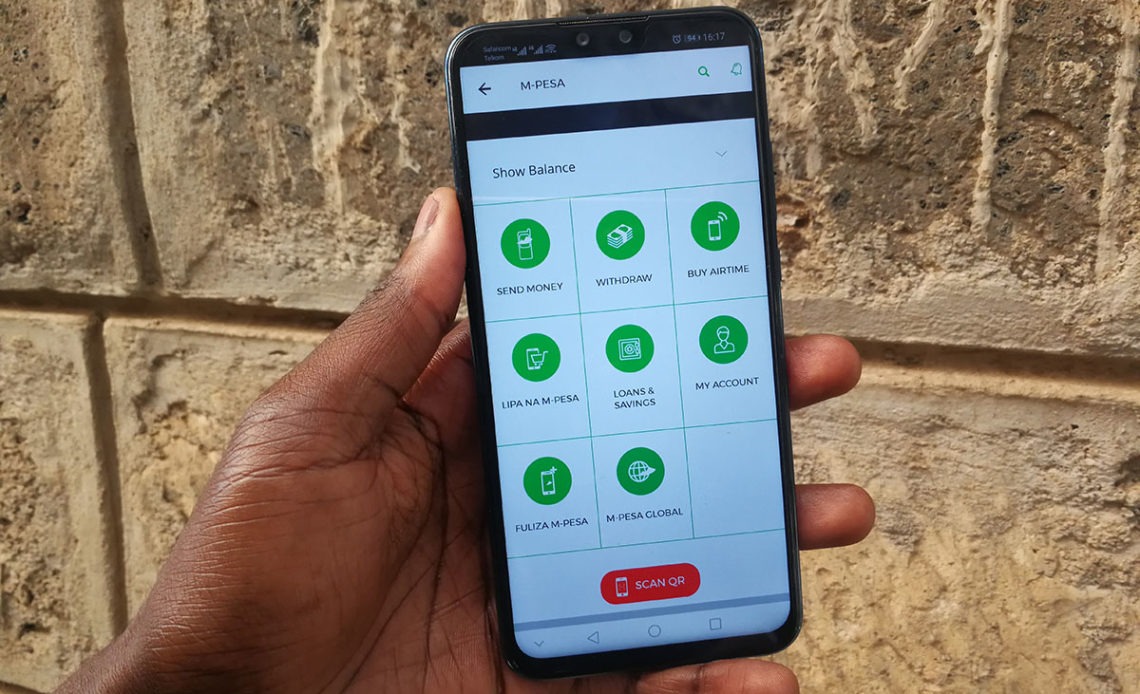
Safaricom’s M-Pesa is poised to transform Kenya’s digital payments landscape as it prepares to integrate with the Pesalink network. In a joint proposal with the Kenya Bankers Association (KBA) submitted to the Central Bank of Kenya (CBK), Safaricom aims to connect Kenya’s leading mobile money platform to the national interbank payment system. This move promises to create a more unified and seamless payments ecosystem for millions of Kenyans.

Currently, Pesalink facilitates instant bank-to-bank transfers but does not incorporate mobile money services like M-Pesa. The proposed integration will bridge this gap, enabling smooth transfers between mobile wallets and bank accounts without requiring individual agreements between providers. This milestone could be a game-changer for financial inclusivity and accessibility across the country.

By joining the Pesalink network, M-Pesa users will benefit from reduced transaction costs compared to the current rates. For instance, sending KES 10,000 via M-Pesa costs approximately KES 100, whereas Pesalink charges range between KES 30 and KES 50. The cost efficiency introduced by this integration is expected to make digital payments more affordable and appealing to both individuals and businesses.

This development aligns with the CBK’s broader vision for a Fast Payment System (FPS), designed to foster interoperability between financial institutions, including banks, SACCOs, and microfinance institutions. The FPS initiative aims to facilitate instant, low-cost transactions, ensuring a seamless and interconnected financial ecosystem.

Ali Hussein Kassim, chairman of the Association of FinTechs in Kenya, highlights the significance of this initiative, stating that integrating M-Pesa with Pesalink will dismantle the existing silos between mobile money and banking systems. This will empower users to transact more efficiently across platforms, boosting economic activity and innovation.

For small businesses, this integration could simplify payment acceptance across various platforms, eliminating the need for multiple wallets. By streamlining operations, Kenya’s payment infrastructure is set to support growth, innovation, and financial inclusion, propelling the country further into the digital economy.

#DigitalTransformation #M-Pesa #Pesalink #FinancialInclusion #FinTech #Kenya