

RIDEENCE AFRICA LIMITED has announced a $2.46 million partnership with Associated Vehicle Assemblers to begin local electric vehicle assembly in Mombasa, marking a strategic transition from vehicle operator to manufacturer. The initiative will see 152 electric vehicles assembled from CKD kits by February 2026, including electric taxis and high-roof matatus, strengthening Kenya’s position in the region’s growing electric mobility ecosystem.
The move builds on Rideence’s lease-to-drive model, which has already deployed over 180 fully built electric vehicles across Kenya, forming what the company describes as East Africa’s largest electric ride-hailing fleet. With significantly lower charging costs compared to fuel expenses, the model delivers tangible savings for drivers while supporting cleaner, more sustainable urban transport.
According to Rideence, the shift to local assembly follows more than $10.7 million invested in Kenya since 2023 and reflects a long-term vision to build a new-energy mobility enterprise rooted in the local market and serving the wider African continent. The partnership with@AVA enables technology transfer, local value addition, and increased manufacturing capacity within the country.
Beyond mobility, the investment is expected to have a strong employment impact. Rideence estimates the new phase will create at least 3,000 additional direct and indirect jobs across supply chains, charging infrastructure, and support services, aligning with Kenya’s broader goals around industrialisation, job creation, and the transition to cleaner transport solutions.
Rideence Invests $2.46M in Mombasa EV Assembly

NCBA Bank Earns Dual ISO Certificate in Data Security
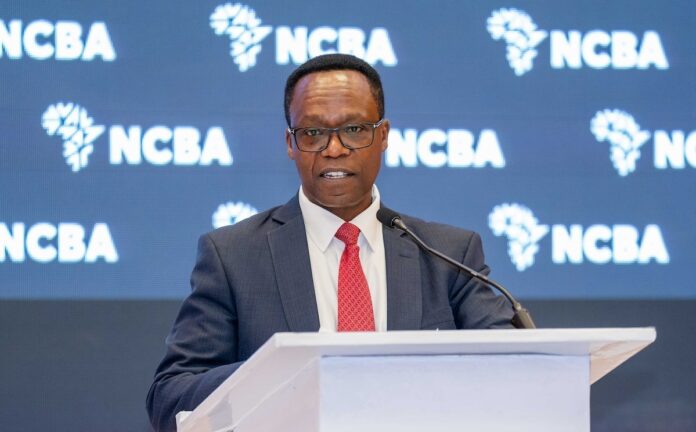
NCBA Group Kenya and NCBA Uganda has reached a major milestone by becoming the first bank in East and Central Africa to attain ISO/IEC 27701 certification for privacy information management alongside ISO/IEC 27001 for information security. Awarded by the British Standards Institution, the dual certification underscores the bank’s commitment to protecting sensitive customer, employee, and third-party data across its operations.
The achievement highlights NCBA’s structured, risk-based approach to information security and privacy governance. ISO/IEC 27001 strengthens the protection of data confidentiality, integrity, and availability, while ISO/IEC 27701 enhances controls around personally identifiable information. Together, the certifications reinforce compliance with the Kenya Data Protection Act and the Uganda Data Protection and Privacy Act, strengthening trust in NCBA’s digital and cross-border banking services.
According to the Group’s leadership, the certification reflects a long-term commitment to security, regulatory compliance, and service excellence. With an expanding digital footprint and increased reliance on technology and third-party providers, NCBA has prioritized building robust systems, investing in staff training, and fostering a culture of continuous improvement to support secure and efficient service delivery.
The initiative is being rolled out in phases, with Kenya and Uganda completed in the first stage and further expansion planned for Loop DFS, Tanzania, and Rwanda. By achieving dual ISO certification, NCBA positions itself as a regional benchmark in data security and privacy, reinforcing its role as a trusted leader in banking innovation and globally compliant financial services.
Whatsapp Introduces Strict Settings to Block Malicious Attachments

WhatsApp has announced the rollout of a new “Strict Account Settings” feature as part of a broader effort to strengthen protection for users facing heightened cyber risks, including journalists, activists, and public figures. While the platform already offers end-to-end encryption for more than three billion users globally, the company acknowledges that certain individuals require an additional layer of defence against advanced, state-level spyware and targeted attacks.
The new lockdown-style setting, accessible under Settings > Privacy > Advanced, allows users to place their accounts in the most restrictive configuration available. Once enabled, WhatsApp will automatically block all attachments and media sent by unknown contacts, cutting off a common entry point used by attackers who disguise malicious code within seemingly harmless files. The feature is being rolled out gradually and is expected to reach all users in the coming weeks.
Beyond user-facing controls, WhatsApp has completed a major technical overhaul by migrating large portions of its media-handling code from C++ to the Rust programming language. Engineers replaced roughly 160,000 lines of C++ with 90,000 lines of Rust to improve memory safety and reduce vulnerabilities that hackers often exploit through memory-based attacks. This move directly addresses lessons from past incidents such as the 2015 Stagefright vulnerability, which exposed millions of devices to malware hidden in media files.
Complementing this shift is WhatsApp’s new Kaleidoscope security system, designed to intercept malicious files before they ever reach a user’s device. The system detects files masquerading as images or videos, inspects PDFs for hidden scripts, and validates file formats against global standards to prevent exploitation of underlying operating system libraries. Together, these changes signal WhatsApp’s long-term commitment to making private communication resilient not just at the encryption level, but across the entire software stack.
CFAO Mobility Deepens AGL Partnership with 32-Truck Delivery

CFAO Mobility Kenya has reinforced its position in East Africa’s logistics ecosystem with the handover of 32 Sinotruk-NX prime movers to Africa Global Logistics (AGL), marking a significant expansion of capacity for one of the region’s key logistics players. The delivery underscores the scale and ambition behind AGL’s operations as demand for efficient, reliable transport across Kenya and the wider region continues to grow.
The milestone also highlights a partnership that has now lasted more than a decade. Over that period, AGL has served as CFAO Mobility Kenya’s primary logistics partner, supporting complex supply chains and long-haul operations across East Africa. Leaders from both companies emphasized that the transaction reflects deep-rooted trust, shared values, and a long-term commitment that goes beyond routine commercial exchanges.
The newly deployed Sinotruk-NX trucks are expected to boost performance across AGL’s network, offering higher payload capacity, improved fuel efficiency, and reduced downtime. Crucially, the fleet will be backed by CFAO Mobility’s nationwide aftersales infrastructure, including factory-trained technicians and reliable access to genuine spare parts, ensuring operational continuity for demanding logistics routes.
For AGL, the fleet expansion is a strategic investment aligned with its growth plans and its mission of “Moving Africa Forward.” The additional trucks strengthen its ability to support trade, create jobs, and deliver integrated logistics solutions spanning transport, warehousing, and customs clearance. With more than 1,500 staff already in place, the upgraded fleet positions AGL to meet the rising and increasingly sophisticated demands of regional trade corridors.
Kenya Launches EU-backed KSH454M Cybersecurity Initiative
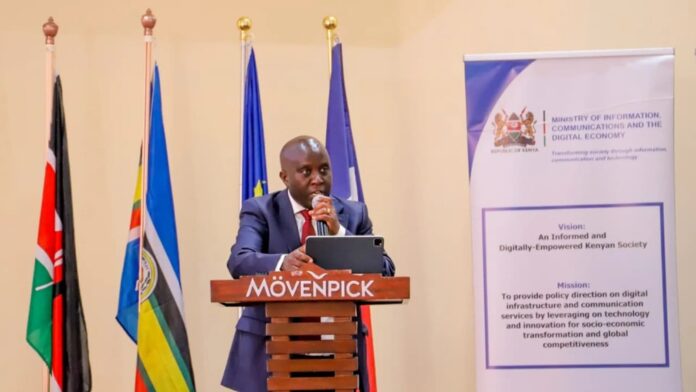
Kenya has launched a KSh454 million European Union–funded cybersecurity programme to strengthen national cyber defences as digital public services expand and cyber threats grow more frequent and costly. The Kenya Cyber Resilience (KCR) Project will run for 36 months and focuses on improving legal, institutional, and operational frameworks at a time when government systems are increasingly reliant on digital platforms for service delivery, payments, and identity management.
The launch follows a major coordinated cyberattack less than a year ago that knocked multiple government websites offline, exposing serious weaknesses in public digital infrastructure. Critical platforms including State House, several key ministries, immigration systems, and county government portals were affected, raising concerns not only about technical security gaps but also about reputational risk, public trust, and national security as Kenya continues to scale e-government services.
Recent data highlights the urgency of the response, with cyber-related losses estimated at nearly KSh30 billion in the past year as attacks become more sophisticated and financially damaging. Online and email fraud remain dominant, while attackers are increasingly using AI-driven techniques to combine phishing, credential theft, and ransomware across both public and private sector systems, stretching the capacity of existing cyber response structures.
The KCR project is structured around strengthening laws and institutions, boosting operational readiness for cyber incident prevention and response, and promoting public awareness and digital trust. Funded by the European Union and implemented by Expertise France in partnership with Estonia’s development agency, the initiative aims to build a more coordinated national cybersecurity ecosystem that supports Kenya’s digital economy while protecting citizens, public services, and critical infrastructure.
Dar Tycoon Invests $200M in Cement Modernization

East African Portland Cement PLC (EAPC) is embarking on a major US$200 million modernisation and expansion programme aimed at restoring its competitiveness in a market increasingly dominated by larger and better-capitalised regional players. The investment, led by Kalahari Cement, a subsidiary of Tanzania’s Amsonsgroup, will raise EAPC’s annual production capacity from about 1.3 million tonnes to nearly 4 million tonnes over the next three years, signalling a renewed push to reclaim market relevance in Kenya’s fast-growing construction sector.
Amsons Group now holds a 69% majority stake in EAPC after acquiring a 27% share previously owned by the National Social Security Fund, strengthening its control over the company’s strategic direction. The group also owns Bamburi Cement PLC, following its acquisition from Holcim in 2024, positioning Amsons as a powerful force in East Africa’s cement landscape. The new capital will fund clinkerisation and grinding plants, improve energy efficiency, upgrade manufacturing systems, and enhance staff welfare facilities, aligning production with rising regional demand driven by urbanisation and government-backed infrastructure projects such as affordable housing.
The expansion comes as Kenya’s cement consumption continues to rise, with production reaching about 9.5 million tonnes in the first 11 months of 2025 and consumption at roughly 9.3 million tonnes, underscoring a strong demand backdrop. EAPC, one of the country’s oldest manufacturers, has struggled with inefficiencies and capacity constraints, allowing competitors such as Bamburi, Mombasa Cement, Savannah Cement, and Devki Group to gain ground. The modernisation drive is therefore a strategic effort to reverse years of decline by scaling output and improving operational performance.
Beyond Kenya, the move reflects a broader continental race where billionaires are consolidating and expanding cement capacity to secure long-term profits and industrial influence. From Dangote’s multi-country footprint to BUA Cement’s expansion plans and CIMAF’s rapid growth across West and Central Africa, cement remains a cornerstone of Africa’s development economy. With high capital barriers and strong links to public infrastructure spending, control of cement production offers both stable cash flows and significant market power, making EAPC’s revival part of a much larger story of industrial competition shaping Africa’s future.
Kenya Fans Help iShowSpeed Surpass 48M Subscribers

American streamer Darren Watkins Jr., popularly known as IShowSpeed, made a remarkable impact during his recent visit to Kenya, marking one of the most eventful stops on his “Speed Does Africa” tour. The 20-year-old content creator’s arrival in Nairobi sparked massive fan engagement, with thousands flooding the streets to see him, causing significant traffic gridlocks. The overwhelming reception highlighted Kenya as a vibrant hub for global digital creators and showcased the immense influence of online communities in shaping cultural moments.
During his stay, iShowSpeed toured iconic Nairobi landmarks, including Uhuru Park and Kenyatta Market, and engaged with local communities at the Mukuru Affordable Housing Project through interactive activities like basketball. He also visited an animal orphanage, where he contributed $10,000 to name a baby rhinoceros “Rhinaldo,” chosen collaboratively with his online audience. These activities demonstrated his commitment to connecting with fans and local culture while creating memorable, community-driven experiences.
The Kenyan stop also featured a notable encounter with Bradley Marongo, popularly known as ‘Gen Z Goliath,’ who stands at 8’2 tall, adding another unique and memorable highlight to the tour. iShowSpeed’s livestream from Kenya achieved unprecedented viewership, peaking at over 200,000 concurrent viewers, potentially one of the largest live audiences for a stream originating from the country. This emphasized Kenya’s growing role in the digital content landscape and the global reach of African audiences.
A key highlight of the tour was iShowSpeed gaining 360,000 new YouTube subscribers during his time in Kenya, surpassing his growth in other African countries. This surge pushed his total subscriber count to 48 million, a milestone he attributed entirely to the enthusiasm and support of his Kenyan fans. His heartfelt acknowledgment reflected the power of local fanbases in driving global digital influence.
iShowSpeed’s visit underscores Kenya’s significance as a destination for global creators and its potential to shape digital entertainment trends across the continent. The tour not only amplified his international following but also highlighted Kenya’s vibrant cultural, social, and community experiences that resonate worldwide. Fans and content creators alike can look forward to future engagements that continue to elevate Kenya on the global digital stage.
CCI Kenya Promotes Youth Jobs Growth in BPO Sector

Call Centre International (CCI) Kenya is championing the Business Process Outsourcing (BPO) sector as a critical gateway for youth employment, urging young professionals to explore careers in this rapidly growing industry. Angela Waliaula, Network Engineering Manager at CCI Kenya, highlighted that the BPO sector absorbs first-time job seekers, recent graduates, and career entrants, providing structured roles in customer operations, IT-enabled services, and service management. These positions equip youth with transferable skills that strengthen participation in Kenya’s expanding digital economy.
Waliaula noted that Kenya is emerging as a key regional technology hub in East Africa, supported by robust digital infrastructure, mobile innovation, and a growing pool of skilled technical professionals. The country has gained recognition in areas such as DevOps, cloud engineering, and fintech-enabled platforms. Growth in the sector is being driven by both multinational companies establishing local operations and homegrown innovations tailored to African markets, creating significant opportunities for young talent.
Access to reliable internet connectivity has been identified as a critical enabler of youth engagement and innovation. Waliaula emphasized that Kenyan Millennials and Gen Z professionals are actively building and adopting digital solutions in payments, logistics, education, and customer engagement, positioning the country competitively on the global technology stage. She stressed that investments in digital infrastructure create a platform for young people to innovate and contribute meaningfully to the broader economy.
Waliaula also addressed gender disparities in the tech industry, particularly in engineering, advocating for mentorship and inclusive corporate practices to support young women entering STEM fields. She highlighted the challenges women face, including repeatedly proving technical competence, and emphasized that organizations investing in women in technical roles benefit from measurable results and long-term value. CCI Kenya fosters an inclusive environment that encourages women’s growth and career advancement in technical roles.
Finally, Waliaula shared insights on building high-performing technical teams, emphasizing the importance of open communication, clear operational contexts, access to tools, ongoing skills development, and recognition of performance outcomes. Flexible operational models and structured career development strategies are essential to sustaining team motivation and productivity, ensuring that organizations remain competitive while nurturing top talent in the technology sector.
Kenya and Huawei to Enhance Public Sector Digital Skills
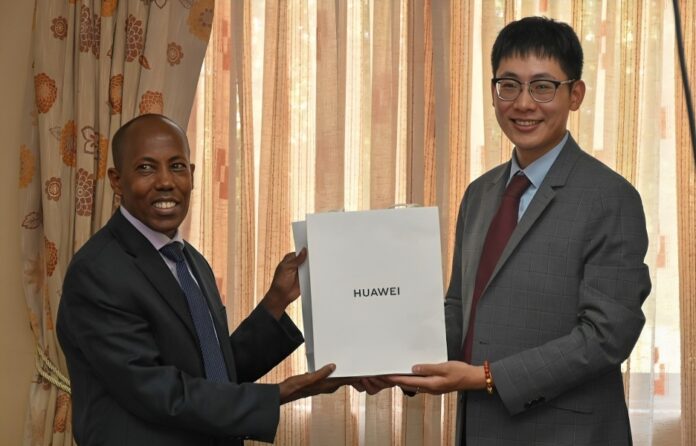
The Kenya School of Government (KSG) and Huawei Kenya have initiated discussions to establish a strategic partnership aimed at accelerating digital transformation within the country’s public sector. This collaboration seeks to equip public servants with advanced digital skills, ensuring that Kenya’s civil service is prepared to meet the demands of a rapidly evolving technological landscape. The initiative underscores the importance of modernizing public institutions to enhance efficiency, productivity, and citizen-focused service delivery.
The proposed partnership will focus on critical areas including Artificial Intelligence (AI), cloud computing, cybersecurity, and digital governance. By integrating these competencies into public service training, the collaboration aims to develop a workforce capable of leveraging technology to improve institutional performance while safeguarding sensitive citizen data. KSG Director General, Prof. Nura Mohamed, emphasized that building a digitally proficient staff is key to advancing national development objectives and achieving a future-ready public service.
Huawei Kenya’s involvement brings technical expertise and emerging technology solutions to the table, supporting capacity-building efforts for government officials. Yuta Leng, Huawei Kenya’s Public Affairs Director, highlighted the company’s commitment to enhancing digital skills within the public sector, helping Kenya realize its digital economy ambitions while ensuring robust compliance with data privacy and cybersecurity regulations.
A priority outcome of the engagement will be the incorporation of practical AI and cloud applications into KSG’s executive development programs. This hands-on approach is designed to ensure that public leaders not only understand digital tools theoretically but can apply them effectively to improve service delivery, streamline operations, and foster innovation in public institutions.
This strategic collaboration represents a significant step toward a digitally empowered public sector in Kenya. By bridging the skills gap and providing civil servants with the knowledge and tools necessary for the digital era, KSG and Huawei aim to strengthen governance, institutional efficiency, and public trust in government services.
The Barakah Effect Workshop With Mohamed Faris to Take Place in Nairobi

The Barakah Effect Workshop is coming to Nairobi on January 14 and 15, 2026, building on the momentum of the successful Productive Muslim workshop held earlier in January 2025. This two‑day immersive event brings together professionals, leaders, and lifelong learners to explore a transformative approach to productivity that blends modern practice with timeless spiritual principles. Hosted in Kenya’s capital, the workshop promises a powerful environment for personal and professional growth.
Participants will have the opportunity to learn directly from internationally renowned author and coach Mohammed A. Faris, founder of The Productive Muslim Company and author of The Barakah Effect and The Productive Muslim: Where Faith Meets Productivity. Faris’s work has helped thousands worldwide redefine success by infusing intention, purpose, and spiritual grounding into daily life and work. His framework challenges conventional hustle culture and offers practical strategies that resonate with professionals seeking deeper meaning and impact.
Over the two days, attendees will engage in structured sessions that guide participants through the principles of Barakah Culture — a mindset that integrates faith and purposeful productivity. The workshop includes interactive discussions, practical exercises, and tools designed to help attendees live with greater intention, manage time and energy with clarity, and build a sustainable approach to success that prioritizes spiritual fulfillment alongside professional achievement.
This event represents a unique opportunity for professionals in Kenya and beyond to elevate their approach to work and life. By participating in The Barakah Effect Workshop, attendees will gain insights that support both their career aspirations and personal well‑being, connecting with a community of like‑minded individuals committed to purposeful growth. Registration details are available for those interested in joining this transformative experience.
