
back to top
Home Blog Page 18

Flydubai Adds Nairobi Flights, Enhances Routes to Mombasa

0

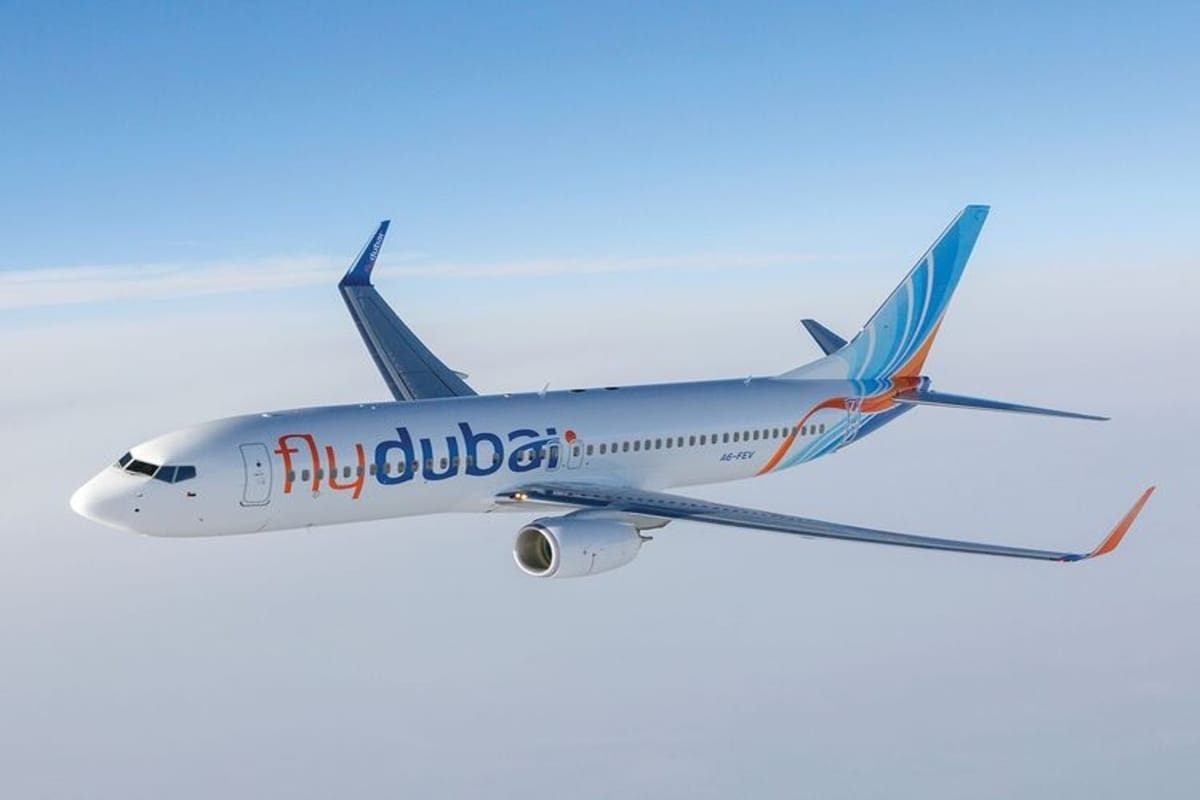
Flydubai is expanding its presence in Kenya with the introduction of a new Nairobi route and the upgrade of its Mombasa service to daily flights, starting October 15. This strategic move brings the airline’s total flights into Kenya to 11 per week, underlining the country’s importance in Flydubai’s East Africa growth strategy. The expansion will enhance Kenya’s connectivity to Dubai’s global aviation hub, opening up stronger opportunities for trade, travel, and tourism.

The new Nairobi service will operate four times a week between Dubai International Airport’s Terminal 3 and Jomo Kenyatta International Airport (JKIA). Flights are scheduled to depart Dubai at 1:30 p.m. and arrive in Nairobi at 5:55 p.m., with return flights leaving Nairobi at 6:55 p.m. and landing back in Dubai at 1:20 a.m. Return fares start at AED 4,500 (about KSh 159,000) in business class and AED 1,700 (KSh 60,000) in economy from Dubai, while Nairobi-originating fares begin at US$2,000 (KSh 261,000) for business and US$500 (KSh 65,000) in economy.

Mombasa, which has been served by Flydubai since 2024, will see an increase in frequency from four to seven flights per week. This move reflects the growing demand for connectivity to Kenya’s coastal city, renowned for its tourism, trade, and logistics significance. By upgrading Mombasa to a daily service, Flydubai reinforces its commitment to strengthening links with Kenya’s major economic and cultural hubs.

Kenya is now the twelfth African market served by Flydubai, which also connects to destinations such as Alexandria, Addis Ababa, Cairo, Dar es Salaam, Djibouti, Entebbe, Zanzibar, and Hargeisa. The airline’s expansion into Nairobi and its increased frequencies to Mombasa highlight a broader vision of building business connectivity, tourism flows, and transit traffic across Africa, leveraging Dubai’s status as a leading international aviation hub.

Flydubai leadership emphasized that Kenya remains a strategic market for the airline. Ghaith Al Ghaith, CEO of Flydubai, highlighted the importance of connecting Kenya to Dubai’s aviation network, while Sudhir Sreedharan, Divisional Senior Vice President of Commercial Operations, stressed that the expansion provides more convenient travel options for business, leisure, and diaspora travel. This demonstrates the airline’s dual focus on commercial growth and customer convenience.

The expansion further cements Dubai’s growing aviation ties with Kenya, deepening its role in facilitating regional integration and global access. Nairobi’s position as a financial and business hub, coupled with Mombasa’s tourism and logistics appeal, positions Kenya as a prime destination for Gulf carriers seeking to capture East Africa’s increasing demand for international connectivity. Flydubai’s expansion underscores the mutual benefits of strengthened aviation links, setting the stage for enhanced economic and cultural exchange between Kenya and the UAE.


New SGR Connection Aims to Ease Mombasa Congestion

0

Kenya’s rail transport has received a significant boost following the launch of the Mombasa Commuter Rail Service by President William Ruto. The newly unveiled service links Mombasa city directly to the Standard Gauge Railway (SGR), providing a crucial city–SGR connection that is expected to ease congestion, improve mobility, and enhance trade flows within the region. This development marks an important step toward addressing long-standing gaps in the country’s urban and intercity transport network.

The project includes the rehabilitation of a 13.8-kilometre metre-gauge railway line from Kilometre Zero to Miritini, alongside the addition of a new 2.8-kilometre link to the SGR. This integration ensures seamless connectivity between Mombasa town and the Madaraka Express. With capacity to transport up to 4,000 passengers daily, the commuter service is designed to decongest the city, support efficient movement, and reinforce Mombasa’s position as a key hub for both trade and tourism in East Africa.

Recent transport sector data highlights the timeliness of this investment. According to the latest Leading Economic Indicators, SGR passenger traffic rose sharply from 183,359 in May 2025 to 226,717 in June, with revenues increasing from KSh 325.9 million to KSh 373.9 million. Cargo volumes also grew significantly over the same period, moving from 586,000 metric tonnes (MT) to 732,500 MT. These numbers underscore the rising demand for rail transport and the importance of expanding capacity.

President Ruto emphasized the wider economic and environmental benefits of the project, noting that shifting more passengers from road to rail will lower transport costs, reduce emissions, and enhance safety. Efficient, safe, and sustainable transport systems, he said, remain the backbone of a strong economy, and this launch demonstrates Kenya’s commitment to developing infrastructure that supports growth and competitiveness.

The launch, however, comes amid mixed performance in other parts of the transport sector. Cargo service revenue dipped slightly from KSh 1.6 billion to KSh 1.5 billion, reflecting pricing pressures in freight. Similarly, passenger traffic on the Metre Gauge Railway (MGR) dropped from 225,899 in May to 202,715 in June, with revenues falling from KSh 12.8 million to KSh 11.6 million. These figures point to a shifting balance in passenger and freight preferences, with the SGR and new commuter links increasingly taking center stage.

At the Port of Mombasa, overall cargo throughput declined from 3.8 million MT to 3.5 million MT between May and June. While exports rose slightly to 420,200 MT and imports fell to 2.7 million MT, transshipment traffic showed strong growth, increasing from 269,800 MT to 333,900 MT. This trend signals the port’s growing role as a regional trade gateway, strengthened further by the new rail link that will facilitate faster, more reliable movement of goods and people.

Intella Raises $12.5M Series A for Arabic AI

0

Egyptian AI startup Intella has marked a major milestone by securing \$12.5 million in an oversubscribed Series A funding round. This achievement not only strengthens Intella’s growth trajectory but also underscores Egypt’s rising influence in artificial intelligence, particularly in addressing the linguistic complexities of the Arabic-speaking world. Founded in 2021 by CEO Nour Taher and CTO Omar Mansour, the company has become a beacon of local innovation solving challenges that global AI players have struggled to overcome.

At the heart of Intella’s success is its proprietary speech-to-text technology, which has achieved a groundbreaking 95.73% transcription accuracy across more than 25 Arabic dialects. This accomplishment places Intella ahead of international competitors, showcasing the depth of Egyptian engineering and its ability to deliver world-class AI solutions. The achievement is especially significant given the complexity of Arabic, where regional dialects dominate everyday speech, requiring nuanced and localized approaches to speech recognition.

The company’s innovative solutions have already gained traction across key sectors such as finance, telecommunications, and government. From transcript analytics to conversational agents, Intella’s tools are transforming spoken interactions into actionable business insights for organizations across MENA. This broad applicability demonstrates the value of regionally developed AI, tailored to address the specific needs of Arabic-speaking markets in ways global models often fall short.

Investor confidence in Intella’s vision is evident from the funding round, which was led by Prosus Ventures with participation from 500 Global, Wa’ed Ventures (Aramco’s VC arm), Hala Ventures, Idrisi Ventures, and HearstLab. Their involvement highlights the growing recognition of African and Middle Eastern innovators who are building AI models with regional relevance. The oversubscription of the round further reflects the strong market belief in Intella’s long-term growth and leadership potential.

With revenue more than doubling in 2024 and projections of up to 7× growth in 2025, Intella is rapidly scaling into a regional powerhouse. The new funding will accelerate the development of its dialectal models, enhance its analytics platform intellaCX, and advance its digital human, Ziila, designed for conversational and voice-ordering applications. These advancements exemplify how Egyptian startups are creating culturally relevant AI interfaces that redefine user engagement and enterprise operations across MENA.

Looking ahead, Intella’s planned expansion across Egypt and Saudi Arabia solidifies its role as a pioneer in Arabic AI. Its growth represents more than a business success story—it reflects Egypt’s broader emergence as a hub for cutting-edge AI solutions. With total funding reaching \$16.9 million, Intella is not just transforming industries but also proving that African innovators are shaping the global AI landscape by building technologies attuned to linguistic and cultural diversity.

#Intella #ArtificialIntelligence #ArabicAI #EgyptTech #MENA #SpeechRecognition #Innovation #VentureCapital #DigitalTransformation #AIForGood #TechInAfrica #CloudComputing #ConversationalAI #StartupGrowth

Safaricom Ethiopia Unveils TechStart Program for Youth Training

0

Safaricom Telecommunications Ethiopia has unveiled TechStart, a landmark nationwide program that seeks to equip 125,000 young Ethiopians with digital and cloud technology skills over the next three years. This initiative is designed to build the capacity of Ethiopia’s youth, ensuring they are future-ready and empowered to thrive in a fast-evolving digital economy. TechStart aligns with Ethiopia’s vision of creating a technology-driven society where innovation and digital inclusion are at the heart of economic growth.

The program is being rolled out in collaboration with Amazon Web Services (AWS) Skills Center and AWS Educate, bringing world-class expertise and training resources directly to Ethiopian learners. Through this partnership, participants will gain foundational knowledge in digital technologies while also accessing continuous learning opportunities that position them competitively in the global workforce. The involvement of AWS ensures that the training is industry-relevant and aligned with global best practices.

TechStart is also part of Vodacom Group’s broader Africa-wide commitment to upskill one million young people within three years. This regional vision seeks to prepare the continent’s youth for the demands of the digital economy by investing in talent, innovation, and entrepreneurship. Safaricom Ethiopia’s efforts contribute directly to this ambitious goal, highlighting its dedication not only to business growth but also to long-term socio-economic transformation.

To ensure inclusivity and accessibility, registration for TechStart is open to all Ethiopians aged 18 and above who hold an active Safaricom line or SIM card. This inclusive approach underscores the company’s commitment to creating opportunities for young people across diverse backgrounds and regions. By focusing on accessibility, Safaricom Ethiopia is working to eliminate barriers to digital skills training and participation.

The Safaricom Ethiopia Foundation is also playing a key role by sponsoring certification fees for top-performing students who complete their courses with distinction. This support addresses financial barriers that often hinder access to professional qualifications, enabling more young people to attain recognized certifications that can open doors to employment and entrepreneurship opportunities both locally and internationally.

Through TechStart, Safaricom Ethiopia is positioning itself as more than just a telecom provider. It is establishing itself as a catalyst for youth empowerment, digital literacy, and economic transformation. By equipping young Ethiopians with the tools and skills needed to succeed in a digital future, the company is strengthening Ethiopia’s competitiveness on the regional and global stage while contributing to Africa’s digital talent pipeline.

Phil Mottram Appointed EVP, Chief Sales Officer at HPE

0

Hewlett Packard Enterprise (HPE) has announced the appointment of Phil Mottram as Executive Vice President and Chief Sales Officer, effective November 1, 2025. In this capacity, he will take charge of HPE’s global sales organization, driving growth across the company’s Servers and Hybrid Cloud solutions while strengthening its channel and partner ecosystem. Mottram’s appointment underscores HPE’s commitment to aligning leadership with its long-term strategic vision of delivering world-class technology and solutions that empower businesses globally.

Mottram, who joined HPE in 2019, has a proven record of leadership within the company. Most notably, he served as Executive Vice President and General Manager of HPE Aruba Networking for four years, where he spearheaded record revenue growth and profitability. His success was anchored in a combination of innovation, operational discipline, and the ability to motivate global sales teams. Most recently, he took on the role of Executive Vice President of Growth Markets, further expanding his leadership reach across diverse regions and markets.

With more than three decades of experience in the global technology sector, Phil Mottram brings a wealth of expertise in sales and executive leadership. His career has spanned Europe, the U.S., and Asia Pacific, with leadership roles at Sprint, BT, Telstra, CSL, Vodafone, and Zayo, in addition to his early career in sales at AT\&T. This broad international exposure positions him to drive HPE’s sales strategy with a truly global perspective, keeping customers and partners at the heart of the company’s mission.

Antonio Neri, President and CEO of HPE, described Mottram as an exceptional fit for the role, citing his deep focus on customer needs, collaborative leadership style, and proven track record of driving growth. Neri emphasized that Mottram’s experience leading Aruba Networking will serve as a key advantage, enabling him to build strong connections across HPE’s full portfolio and further strengthen relationships with customers and partners worldwide.

Mottram takes over from Heiko Meyer, who is retiring after 38 years of service with HPE. Meyer’s career was marked by leading the largest sales transformation in HPE’s history, modernizing the go-to-market model to better align solutions with customer needs. He leaves behind a legacy of customer advocacy, targeted market share gains, and a culture of excellence that has shaped HPE’s global sales function over decades. Meyer expressed pride in leading HPE’s Global Sales team and gratitude for a career built on serving customers and partners across the world.

As Mottram steps into this critical role, HPE signals a new chapter in its sales strategy while honoring the immense contributions of Heiko Meyer. The transition reflects HPE’s dedication to building on a strong foundation while embracing the future with leaders who can accelerate transformation, strengthen partnerships, and deliver sustainable growth in a competitive global technology landscape.

Cassava Commits $720M to Strengthen Africa’s AI Infrastructure

0

Cassava Technologies has announced an ambitious \$720 million investment to establish five Artificial Intelligence factories across Africa within the next year. Founded by Strive Masiyiwa, the pan-African tech group aims to expand what it calls the “Sovereign AI Cloud,” a bold initiative that places Africa at the forefront of the global AI economy. The factories will be located in South Africa, Nigeria, Kenya, Egypt, and Morocco, giving each major market access to its own advanced AI infrastructure.

At the core of this rollout is Cassava’s strategic partnership with Nvidia, which will power the AI factories with cutting-edge GPU technology. The first facility in South Africa will feature 3,000 Nvidia GPUs, much of which has already been pre-booked by African developers and researchers. This reflects the growing demand for accessible, high-performance AI infrastructure on the continent, a resource that has often been out of reach due to heavy reliance on overseas providers.

Beyond standalone infrastructure, the AI factories integrate into Cassava’s wider ecosystem, which includes Liquid Intelligent Technologies, Africa Data Centres, and Liquid C2. These subsidiaries already provide connectivity, cloud hosting, and cybersecurity services, enabling the group to deliver a complete digital backbone for Africa’s future. Earlier this year, Cassava also launched Cassava AI, a dedicated unit focused on partnerships and product development, working alongside AWS, Microsoft, Google, and Anthropic to expand AI access across the continent.

The investment is about more than technology—it’s about digital sovereignty and economic empowerment. By building localized AI capacity, Africa reduces dependency on foreign infrastructure, opening the door for innovation that is homegrown and contextually relevant. From developing African language models to building AI-powered financial tools and healthcare solutions, the continent will be better equipped to drive solutions tailored to its unique challenges.

Strive Masiyiwa has also hinted at a new concept, the “Distributed AI Cloud,” which aims to link infrastructure across multiple African regions into a unified digital framework. This could accelerate Africa’s participation in the fourth industrial revolution while enhancing competitiveness in global markets. The initiative signals that Africa is no longer just a consumer of AI technology but a proactive builder of digital ecosystems with transformative potential.

With five AI factories set to launch within a year, Cassava Technologies is positioning itself as both architect and catalyst of Africa’s AI-driven future. This move not only strengthens Africa’s digital backbone but also sets the stage for the continent to emerge as a global player in innovation, research, and technological development.

M-PAYA Energy Adopts Servercore Cloud for Smart Utility Management in Kenya

0

M-PAYA Energy, a Kenyan prepaid electricity submetering company, has taken a major step in strengthening its digital infrastructure by moving its core business systems to Servercore Cloud. This transition comes at a crucial time for the startup, which operates in a capital-intensive sector that demands scalability, efficiency, and cost predictability to sustain growth. By embracing Servercore’s cloud services, M-PAYA Energy is positioning itself to deliver more responsive, reliable, and future-ready solutions for its customers.

Through this move, the company now benefits from key advantages such as self-service scalability, enhanced responsiveness, and predictable pricing. These features are vital for a growing energy-tech firm seeking to expand without the burden of excessive infrastructure costs. According to CEO Mwai Mworia, the ability to scale resources independently and seamlessly without relying on lengthy support processes was a game-changer, giving the team the flexibility and control required to manage rapid expansion in a dynamic market.

M-PAYA’s backend applications, which are central to its operations, now run fully on Servercore’s infrastructure. This includes client management, payment processing, and meter management systems—all of which are critical to the company’s mission of making prepaid energy access more efficient. By consolidating these processes on Servercore Cloud, M-PAYA can ensure smoother service delivery while focusing on innovation and customer experience.

From Servercore’s perspective, this partnership reflects its commitment to enabling startups across Africa to scale effectively. Victoria Kleinbort, Head of Business Development at Servercore, emphasized that the collaboration ensures M-PAYA can focus on delivering real-time services to clients without being hindered by migration challenges or system downtime. This seamless support highlights the role of cloud providers as strategic enablers in Africa’s growing tech ecosystem.

The shift to Servercore also aligns with a broader trend across the continent, where startups are increasingly recognizing IT infrastructure as a growth enabler rather than a back-office cost. As fintechs have relied on digital payment rails to fuel expansion, energy-tech and proptech companies are now turning to local cloud partners to ensure scalability, efficiency, and reliable service delivery. This marks an important shift in mindset, positioning cloud technology as an essential foundation for Africa’s digital and economic transformation.

By making this move, M-PAYA Energy is not only strengthening its internal operations but also setting an example for other African startups navigating the challenges of digital transformation. The partnership with Servercore demonstrates how strategic investments in technology can empower young companies to scale sustainably, deliver better services, and remain competitive in industries that are critical to economic growth and social development.

Uber Unveils New Service Called Uber Safari

0

Uber has unveiled Uber Safari, a groundbreaking new product category designed to offer seamless safari experiences within Nairobi National Park, the world’s only national park located inside a capital city. This innovation bridges the gap between urban convenience and wildlife adventure, allowing both locals and international tourists to explore Kenya’s iconic wildlife with ease. Riders will have the option of choosing either a Day Safari or a Night Safari, giving them flexibility and a unique way to engage with nature.

The service is fully integrated into the Uber Reserve feature, enabling riders to pre-book their safari directly from the app. They will be picked up in fully licensed, safari-ready Land Cruisers operated by trusted tour companies, complete with a licensed guide for an immersive three-hour wildlife experience. This approach brings together the efficiency of Uber’s technology with the expertise of seasoned safari operators, ensuring convenience, safety, and quality.

Uber Safari is made possible through collaboration with the Ministry of Tourism, Kenya Wildlife Services, the Tourism Regulatory Authority, and local fleet partners. This partnership underscores a strong commitment to sustainable tourism and safety, while creating a product that enhances Kenya’s global reputation as a premier travel destination. For visitors and residents alike, this initiative represents a significant step in making safari experiences more accessible, reliable, and rooted in Kenya’s heritage.

Speaking at the launch, Imran Manji, Uber’s General Manager for East Africa, emphasized the importance of tourism in Kenya’s economy and how Uber Safari is designed to unlock new ways for people to connect with Kenya’s wildlife. He noted that beyond convenience, the new service drives fresh earning opportunities for drivers and local communities who depend on tourism. The launch also comes as Uber marks its 10-year anniversary in Kenya, signaling its continued investment in products that serve both social and economic impact.

Anabel Diaz, Vice President for Uber in Europe, Middle East, and Africa, highlighted Kenya as one of Uber’s most significant markets in Africa. She described Uber Safari as a perfect blend of technology and tradition, designed not only to strengthen the tourism sector but also to support livelihoods while delivering unforgettable experiences. Her remarks reflected Uber’s vision of leveraging digital platforms to create meaningful impact at both local and global levels.

Uber Safari is also designed to integrate seamlessly into Kenya’s existing tourism ecosystem. By opening the platform to local fleet operators and safari companies, Uber enables them to onboard safari-ready vehicles and tap into Uber’s rider base, creating fresh demand and new revenue streams. This innovative step positions Uber as not just a transport company, but as a contributor to Kenya’s evolving tourism landscape, strengthening the connection between the city and the wild.

Jumia Enters Strategic Partnership With Watu Credit

0

Jumia has announced a strategic partnership with Watu Credit, a leading asset financier, to make smartphone ownership more accessible for Kenyans. Through this collaboration, customers will now be able to purchase premium smartphones on Jumia and pay in daily, weekly, or monthly instalments via mobile money. This move eliminates the upfront financial barrier for many, opening up opportunities for more people to access reliable digital devices.

While smartphone penetration in Kenya is currently at around 80 percent, a significant number of users still rely on low-quality devices that limit their digital experience. By enabling access to premium brands such as Samsung, the partnership supports first-time buyers and existing users in upgrading to dependable devices. These devices are vital tools for business growth, online learning, healthcare access, and enhancing social connectivity in today’s digital-first world.

Watu Credit emphasized the importance of affordability and digital access. The company’s technology-driven financing model is powered by IoT-based locking software, ensuring responsible lending practices. Customers make payments conveniently via mobile money, and their devices remain active as long as payments are up to date. Since 2022, Watu has already financed nearly two million devices in Kenya, proving its impact in bridging the affordability gap for digital tools.

Jumia echoed this vision of digital inclusion, with its East Africa Regional CEO, Vinod Goel, noting that smartphones remain among the platform’s top-selling products. By partnering with Watu Credit, Jumia aims to expand access to connected devices, making it easier for Kenyans to engage meaningfully in the digital economy. The company also has plans to streamline the process further, enabling customers to complete the entire financing journey online, from selection to KYC verification and delivery.

The initial rollout will be facilitated by Jumia’s agents, who will assist with the first phase of smartphone financing. In the coming months, the process will transition to a fully digital model, allowing customers to choose smartphones at checkout, submit KYC requirements online, and receive their devices conveniently at home. This phased approach ensures accessibility while building trust and familiarity with the financing process.

Beyond commerce, the initiative represents a milestone for digital inclusion in Kenya. Small business owners, delivery workers, students, and households will now have the opportunity to access reliable technology that directly supports income growth, education, and social connection. By merging Jumia’s digital marketplace with Watu Credit’s financing expertise, the program positions smartphones not just as consumer goods but as tools for empowerment, innovation, and socio-economic progress.

Daikin Opens New Regional Office in Nairobi

0

Daikin, a global leader in air conditioning manufacturing, has officially launched its new office in Nairobi, located on the 8th floor of One Africa Place. The new office includes a state-of-the-art showroom designed to showcase Daikin’s latest product innovations and solutions, while also serving as a hub for marketing and promotional activities across the region. This milestone reinforces Daikin’s commitment to quality, innovation, and excellence in the HVAC market, strengthening its position as a trusted provider of advanced air conditioning solutions.

During the official opening, Mr. KJ Jawa, CMD of Daikin India and Board Member of DIL, emphasized the company’s strategy to adopt a more aggressive approach in Africa. He noted that the Nairobi office represents a crucial step in capturing a larger share of the continent’s growing HVAC market. According to him, Daikin’s investment is not just about expanding capacity but also about driving excellence, fostering strategic partnerships, and contributing to Africa’s evolving landscape with eco-friendly and cutting-edge air conditioning technologies.

Mr. Junichi Omori, General Manager of Daikin’s Global Operations Division, expressed confidence in Daikin’s ability to accelerate its footprint across Africa. He highlighted that the new office underscores the company’s mission to enhance market share, expand its dealer network, and deliver exceptional customer experiences. With Africa showing remarkable momentum in HVAC demand, Daikin plans to roll out Africa-specific products that align with the continent’s unique needs while building a strong ecosystem of dealers, partners, and service providers to ensure long-term growth and leadership.

This strategic move reflects Daikin’s vision to transform the African HVAC industry by combining innovation, sustainability, and customer-focused solutions. With heavy investments in marketing, customer engagement, and dealer development, Daikin aims to surpass existing competitors and establish itself as the market leader in the region. The Nairobi office is not just a physical expansion but also a symbol of Daikin’s long-term commitment to creating value for stakeholders while shaping the future of air conditioning in Africa.