
back to top
Home Blog Page 17

EPRA Releases Data on Kenya’s Leading Oil Marketers

0

Kenya’s petroleum and energy landscape continues to record significant developments, with the Energy and Petroleum Regulatory Authority (EPRA) releasing its latest report on the market share of oil marketing companies (OMCs). The findings show a highly competitive but consolidated industry where a few dominant players control more than half of the country’s fuel supply, reflecting both the scale and influence of established brands in the sector.

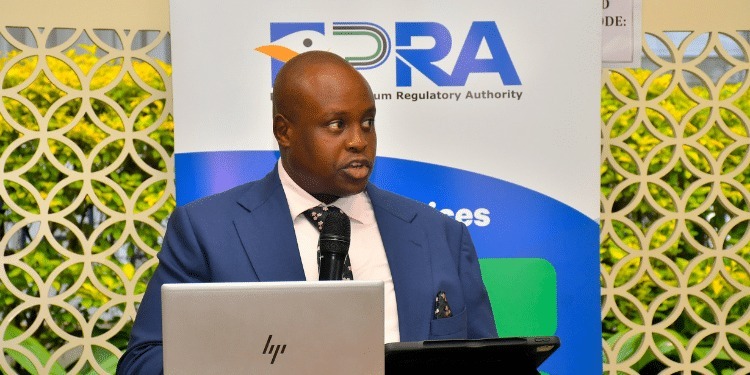
According to the report, Vivo Energy Kenya, Rubis Energy Kenya, and TotalEnergies Marketing Kenya remain the market leaders, collectively holding a commanding 51.4% share of the petroleum market. Vivo Energy, which trades under the Shell brand, secured the top spot with a 20.8% share after selling more than 1.2 million cubic meters of petroleum products. Rubis Energy followed closely with 15.8% of the market, while TotalEnergies captured 14.8%, further cementing their dominance as Kenya’s fuel heavyweights.

The trio together supplied over 3.2 million cubic meters of petroleum products, covering petrol, diesel, and kerosene sales, underlining their massive role in fueling the economy. Other players such as Ola Energy Kenya (4.3%), Gulf Energy (3.2%), and Haspa Petroleum (3.15%) also made notable contributions, while newer entrants like Stabox International (2.6%) demonstrated the growing competitiveness and diversification of the market. Smaller players, though less dominant individually, accounted for a collective 15.6% share, highlighting the dynamic mix within the sector.

Beyond petroleum sales, the report highlighted record-breaking growth in Kenya’s energy consumption. The financial year ending June 2025 saw peak electricity demand climb to an unprecedented 2,316.2 MW, representing a 6.38% year-on-year growth. This surge, equivalent to a 139 MW increase, was the highest in the last five years and was attributed to rising domestic consumption, greater industrial use, and the expansion of clean energy solutions.

Liquefied Petroleum Gas (LPG) demand also surged, growing by 15% to 414,861 metric tonnes in 2024, up from 360,594 metric tonnes in 2023. This increase pushed per capita LPG consumption to 7.9 kgs, up from 7.0 kgs the previous year. At the same time, Kenya’s transition toward sustainable transport recorded impressive milestones, with consumption under the dedicated e-mobility tariff rising by 300% to 5.04 GWh. Registered electric vehicles (EVs) rose to 6,442, with 69 customers billed under the specific tariff introduced in 2023.

EPRA noted that further policy interventions are underway to sustain this momentum, including a proposed update to the e-mobility tariff aimed at removing the existing monthly consumption limit of 15,000 units. These developments collectively reflect the dual transformation of Kenya’s energy sector: consolidation in petroleum supply on one hand, and accelerated growth in electricity and e-mobility demand on the other, setting the stage for a more dynamic and sustainable future.


Bolt, Mombasa Partner to Enhance Youth Jobs, Ride Safety

0

The County Government of Mombasa has taken a bold step in deepening its collaboration with Bolt to create more opportunities for young people while improving safety and regulation in the ride-hailing sector. This new partnership marks a significant milestone in unlocking decent work for youth and aligning the transport sector with the county’s broader inclusive growth vision.

Governor Abdulswamad Shariff Nassir hosted a high-level delegation from Bolt, where discussions focused on scaling up operations, creating more income opportunities, and ensuring sustainable livelihoods for Mombasa’s youth. Currently, Bolt provides employment for more than 1,000 riders in the county, a number expected to rise significantly as the collaboration expands.

As part of the initiative, Bolt will strengthen its presence by leveraging public market spaces as operational hubs. This innovative approach will make it easier for young people to access the platform, build careers in the gig economy, and take part in Mombasa’s growing digital transformation. The strategy reflects a deliberate effort to combine economic empowerment with accessibility and inclusion.

Safety and professionalism remain central to the partnership. One of the key highlights is the joint effort to license riders through Recognition of Prior Learning (RPL), a framework that acknowledges the skills and experience of those already active in the sector. This move will enhance rider credibility, improve service standards, and build greater public trust in the ride-hailing industry.

Governor Nassir reaffirmed his administration’s unwavering commitment to fostering strategic public-private partnerships as pathways to youth empowerment. He emphasized that Mombasa’s young people are the backbone of its future and that initiatives like this ensure they can earn a living, support their families, and contribute to the local economy. Bolt echoed this sentiment, highlighting Mombasa’s role as a dynamic urban and economic hub, and pledged its commitment to work closely with county authorities to create a well-regulated and thriving mobility ecosystem.

This collaboration is not just about transport—it is about creating jobs, building an inclusive economy, and setting the foundation for sustainable growth. By bridging innovation with regulation, the County Government of Mombasa and Bolt are demonstrating how meaningful partnerships can empower youth, enhance safety, and shape a modern mobility sector.

Competition Authority Clears Acquisition Involving Five Major Companies

0

The Competition Authority of Kenya (CAK) has approved five significant mergers and acquisitions that cut across key sectors of the economy, including energy, insurance, cement manufacturing, real estate, and financial services. The approvals, published in the Kenya Gazette on September 26, 2025, were issued under Section 46(6)(a)(ii) of the Competition Act, empowering CAK to authorize transactions that do not distort or hinder fair competition in Kenya’s markets.

One of the most notable approvals involves the energy sector, where CAK cleared Auron Energy E&P Limited, an affiliate of Gulf Energy, to acquire 100% of the shareholding in Tullow Kenya B.V. This marks the complete exit of Tullow Oil from Kenya after 14 years of exploration and investment in Turkana. The transaction, valued at US$120 million (Ksh15.5 billion), transfers ownership of key oil blocks to Gulf Energy, positioning the company to spearhead Kenya’s long-awaited entry into oil production.

In the insurance space, Bima Holdings Limited has received approval to acquire control of Minet Mauritius, the parent company of Minet Kenya Insurance Brokers. This acquisition, backed by private equity firm Adenia Partners, will give Bima indirect control over Minet’s subsidiaries across Africa, strengthening its footprint in the insurance and risk advisory market. Minet, a long-standing partner of Aon, brings with it a strong pan-African presence and expertise in risk solutions, which Bima seeks to expand further.

The cement industry has also seen a transformative transaction, with Savannah Cement 2025 Limited, a consortium of leading Kenyan millers, acquiring the distressed Savannah Cement for Ksh3.8 billion. This acquisition is expected to revive the company, which had been placed under receivership in 2023 due to financial challenges. The consortium, made up of Mombasa Maize Millers, Kitui Flour Millers, and Eldoret Grains Limited, is set to inject new capital and management strategies to restore the manufacturer’s competitiveness in the local and regional cement market.

In real estate, Kashia Services Limited has been granted approval to acquire the entire shareholding of Stonehill Developments Limited, a company recognized for its high-end residential and commercial developments. This move strengthens Kashia’s positioning in the premium real estate market, expanding its portfolio and capacity to deliver modern developments. At the same time, Batian Income Properties LLP, managed by GenAfrica Asset Managers, has acquired 100% of Riverside Towers Limited, a prime commercial real estate player in Nairobi’s Westlands and Riverside areas. This acquisition adds significant value to Batian’s growing real estate investment portfolio.

The series of approvals reflect Kenya’s dynamic investment landscape, where local and international players are increasingly positioning themselves in strategic industries. By facilitating these transactions, CAK continues to play a central role in ensuring market stability while enabling business growth and innovation. The approved acquisitions are expected to unlock fresh capital, foster job creation, and sustain competitiveness across multiple sectors of the Kenyan economy.

Nigeria, Kenya Discuss Launch of Africa’s Next Satellite

0

Nigeria and Kenya have taken a bold step toward shaping Africa’s future in space technology with discussions aimed at launching stronger bilateral cooperation. The Nigerian Communications Satellite (NIGCOMSAT) Ltd and the Kenyan Space Agency (KSA) recently met in Abuja to explore how Nigeria’s existing satellite capabilities can support Kenya’s growing ambitions in the space sector. This marks a significant move toward African-led solutions in connectivity, sovereignty, and economic growth.

During the meeting, Kenya expressed interest in sourcing satellite services from Nigeria instead of relying on non-African providers, provided that NIGCOMSAT’s coverage extends fully to Kenyan territory. While Nigeria’s current C-band and L-band services reach Kenya, the Ku-band and Ka-band remain outside coverage. Officials noted that this gap will be bridged with the launch of Nigeria’s upcoming 2A and 2B satellites, making the partnership more feasible and impactful for both nations.

NIGCOMSAT Managing Director, Jane Nkechi Egerton-Idehen, hailed the discussions as a milestone in Africa’s push to establish itself in the global space economy. She emphasized that Nigeria’s investment in the space sector was driven by visionary leadership with a focus on building a robust ecosystem, attracting global investors, and leveraging space technology for economic transformation. She noted that this collaboration can also address key concerns such as sustainability, national security, and continental sovereignty.

Egerton-Idehen stressed the importance of Africa claiming its rightful place in the global space sector, pointing to the progress of countries such as Morocco, Egypt, South Africa, and Angola. Her message was clear: Africa must build its space legacy not because opportunities are handed to it, but because the continent has earned its position through decades of effort, resilience, and leadership.

Kenya’s Director General of KSA, Brigadier (Rtd.) Hillary Kipkosgey, commended Nigeria’s advancements and expressed Kenya’s commitment to building stronger ties with institutions such as NIGCOMSAT, the Nigerian Space Research and Development Agency (NASRDA), and the Defence Space Agency (DSA). He highlighted the need for African space agencies to go beyond annual interactions and instead foster continuous engagement to drive Africa’s collective ambitions in space.

Both countries view this collaboration as more than a strategic alliance—it is a commercial opportunity and a chance to accelerate Africa’s space sovereignty. By working together, Nigeria and Kenya are paving the way for African nations to lead in technology, reduce dependence on foreign providers, and establish a strong continental presence in the global space economy.

Pesalink, Tendepay Partner to Digitize Enterprise Payments in Kenya

0

Pesalink has officially announced a strategic partnership with Tendepay, marking a significant step toward digitizing and simplifying enterprise payments in Kenya. This collaboration is not just a commercial agreement but a reflection of both organizations’ shared vision to drive efficiency, strengthen financial control, and enhance security in the business payments space. It also signals their commitment to shaping the future of digital payments in the country.

Through this partnership, businesses will now have access to faster payroll processing, digitized petty cash management, and streamlined supplier payments. These services are designed to reduce friction in everyday financial operations while ensuring instant, secure, and reliable transactions. With this innovation, Pesalink and Tendepay aim to solve some of the most pressing challenges enterprises face in managing cash flow and financial accountability.

A key highlight of the collaboration is the introduction of real-time dashboards and audit trails. These tools will provide organizations with full visibility over their financial operations, empowering decision-makers with the insights they need to run smarter, more transparent, and more accountable businesses. By modernizing how money moves within enterprises, the partnership sets a new benchmark for business payments in Kenya.

The timing of this initiative could not be better. With Kenya’s rapidly evolving digital economy, businesses are increasingly looking for solutions that are not only fast and efficient but also secure and reliable. This partnership demonstrates how fintech innovation can bridge critical gaps, improve efficiency, and enable businesses to adapt to the demands of a digital-first marketplace.

Pesalink emphasized that this collaboration is a commitment to payments that are always available, always secure, and always aligned with business needs. The partnership also highlights the leadership of Tendepay CEO Abel Masai, whose role has been instrumental in steering this initiative forward. Together, both organizations are signaling the beginning of a new era of financial digitization for enterprises in Kenya.

This partnership represents more than technology—it represents transformation. By digitizing workflows, offering instant payments, and ensuring secure oversight, Pesalink and Tendepay are enabling enterprises to focus on growth rather than administrative hurdles. This move is set to empower Kenyan businesses to scale with confidence in a global digital economy.

Bolt Launches Parcel Delivery Services Across Kenya

0

Bolt has expanded its footprint in Kenya with the official launch of Bolt Send, a new parcel delivery service integrated within its existing ride-hailing app. This marks a significant step in the company’s strategy to diversify services and tap into the growing demand for logistics solutions driven by Kenya’s fast-rising e-commerce sector.

Through Bolt Send, customers can now request secure and reliable parcel deliveries directly from the Bolt app. Deliveries will be managed by vetted driver-partners, with key features such as real-time tracking and secure handling to ensure convenience and peace of mind for users. This innovation is designed to bridge gaps in everyday logistics and simplify the way individuals and businesses handle deliveries.

The service will debut in Nairobi before expanding to other cities across the country in the coming months. This phased rollout underscores Bolt’s commitment to creating sustainable and efficient logistics solutions that match the dynamic needs of Kenya’s digital-first economy. By doing so, the company is positioning itself as a critical player in solving urban logistics challenges.

Kenya’s logistics space has long been identified as a major bottleneck in the growth of e-commerce and digital trade. With internet penetration driving new consumer habits, the demand for fast, reliable, and affordable delivery services has never been greater. Bolt’s entry into the market presents an opportunity to enhance last-mile delivery and meet the expectations of both businesses and end-users.

By leveraging its wide network of driver-partners and technology-driven approach, Bolt is not only boosting convenience but also creating new income opportunities for its partners. This aligns with the broader vision of deepening the impact of digital platforms in Kenya’s economy, while offering competitive solutions against both traditional courier services and global tech-driven logistics players.

With Bolt Send, the company reaffirms its role as more than just a ride-hailing platform. It positions itself as a holistic urban mobility and logistics partner, driving innovation, enabling e-commerce growth, and contributing to the evolution of Kenya’s digital economy.

Kenya Offers Free Entry into National Parks and Reserves on the 27th September

0

The Government of Kenya, through the Ministry of Tourism and Wildlife, has announced free entry to all national parks, reserves, and sanctuaries on Saturday, September 27, 2025, in celebration of the United Nations World Tourism Day. The global theme for this year, “Tourism and Sustainable Transformation,” highlights the power of tourism in driving positive change for communities, conservation, and the economy.

This initiative is a golden opportunity for Kenyan citizens to reconnect with the nation’s breathtaking wildlife heritage, deepen their commitment to conservation, and enjoy the unparalleled beauty of natural treasures. It reflects Kenya’s dedication to making tourism not only a source of pride but also a vehicle for sustainability and inclusivity.

By offering free access, the government aims to foster a greater appreciation of Kenya’s biodiversity and inspire citizens to take up a shared responsibility in protecting it for future generations. The gesture underscores the value of conservation and the critical role that public participation plays in safeguarding natural ecosystems.

Citizens are encouraged to take advantage of this special day to explore, learn, and celebrate the wonders of Kenya Wildlife Service (KWS)-managed sites. From majestic savannahs to serene reserves, these spaces represent Kenya’s heritage and contribute significantly to global conservation efforts.

The Ministry of Tourism and Wildlife has provided guidelines to ensure smooth participation. Kenyans can access information via the KWS website, official social media platforms, the toll-free number 0800597000, or through the KWS WhatsApp customer service line at 0726610509. These channels will provide clarity on park entry and participation logistics.

As the country marks the 2025 UN World Tourism Day, this initiative reaffirms Kenya’s leadership in sustainable tourism and conservation. It also highlights the collective responsibility to preserve natural treasures while showcasing Kenya as a destination that values its wildlife heritage and promotes access for all.

Kenya Introduces Tool Enabling Tourists to Pay via M-Pesa, Airtel Money

0

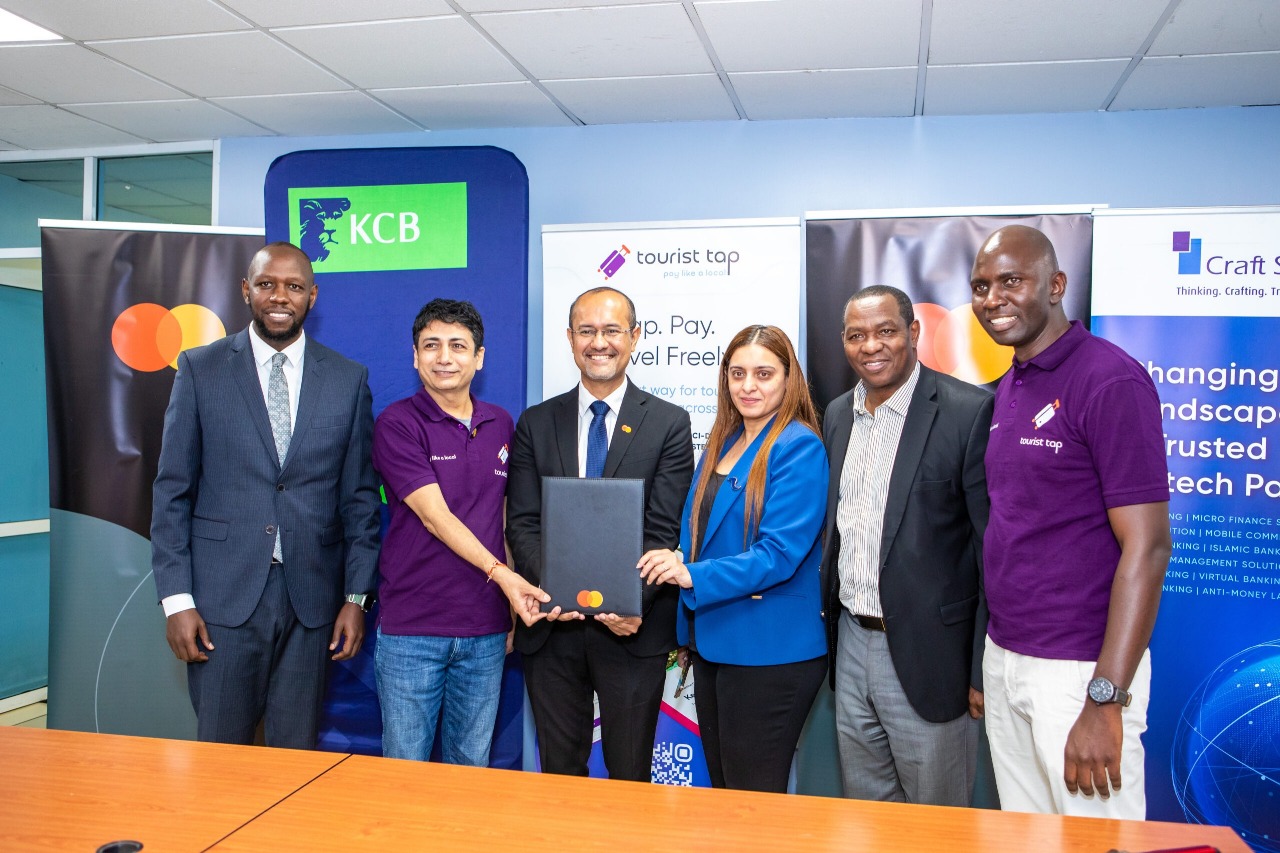
Craft Silicon has introduced TouristTap, an innovative mobile application designed to transform how international visitors pay for goods and services in Kenya. By turning any NFC-enabled smartphone into a secure point-of-sale device, the app allows tourists to make payments directly with their Visa or Mastercard, eliminating the hassle of carrying cash in places where card acceptance is traditionally limited.

The launch of TouristTap is expected to revolutionize payments in the tourism sector. For years, visitors have faced challenges when paying for experiences like safaris, buying curios at Maasai markets, or even purchasing snacks at roadside kiosks. TouristTap bridges this gap, enabling seamless digital transactions at every point of the visitor experience and boosting convenience for both tourists and merchants.

Powered by Near Field Communication (NFC) technology, TouristTap enables payments to mobile money wallets, till numbers, bank accounts, and other payment applications. The solution aligns with the growing demand for interoperable and secure digital payment options, ensuring that visitors can transact easily while contributing to the wider adoption of cashless systems in Kenya.

Security remains a cornerstone of the new platform. TouristTap is certified by Visa and Mastercard, adheres to global compliance standards such as PCI-DSS, and incorporates PIN-on-Glass technology. This ensures that all transactions are fully encrypted and safe, addressing the concerns of both tourists and merchants regarding data security and fraud prevention.

The rollout comes at a time when Kenya is experiencing a surge in digital payments. According to the Central Bank of Kenya, card payments hit Sh538.5 billion in 2024, reflecting the nation’s growing shift towards cashless transactions. TouristTap aims to strengthen this trend by serving the entire tourism value chain — from local artisans and market vendors to high-end hospitality providers.

TouristTap is now available on Google Play and the Apple App Store for NFC-enabled smartphones, with Craft Silicon planning to expand the platform to other African tourism hubs. By making it possible for visitors to buy a bead bracelet as easily as they pay for a luxury hotel stay, TouristTap is set to redefine how Africa’s tourism industry engages with digital payments.

KCB Group Empowers East African Entrepreneurs to Access US Markets

0

For many East African entrepreneurs, accessing the vast US market has often been a dream overshadowed by challenges such as regulatory complexities, financing hurdles, and limited networks. However, KCB Group is stepping forward to change this narrative by positioning itself as a bridge that connects African businesses to global opportunities.

During the US–Kenya Business & Investment Forum 2025, held alongside the UN General Assembly in New York, KCB Group highlighted its role in enabling cross-border trade and investment between East Africa and the United States. The lender is redefining possibilities for regional businesses that are ready to scale beyond borders.

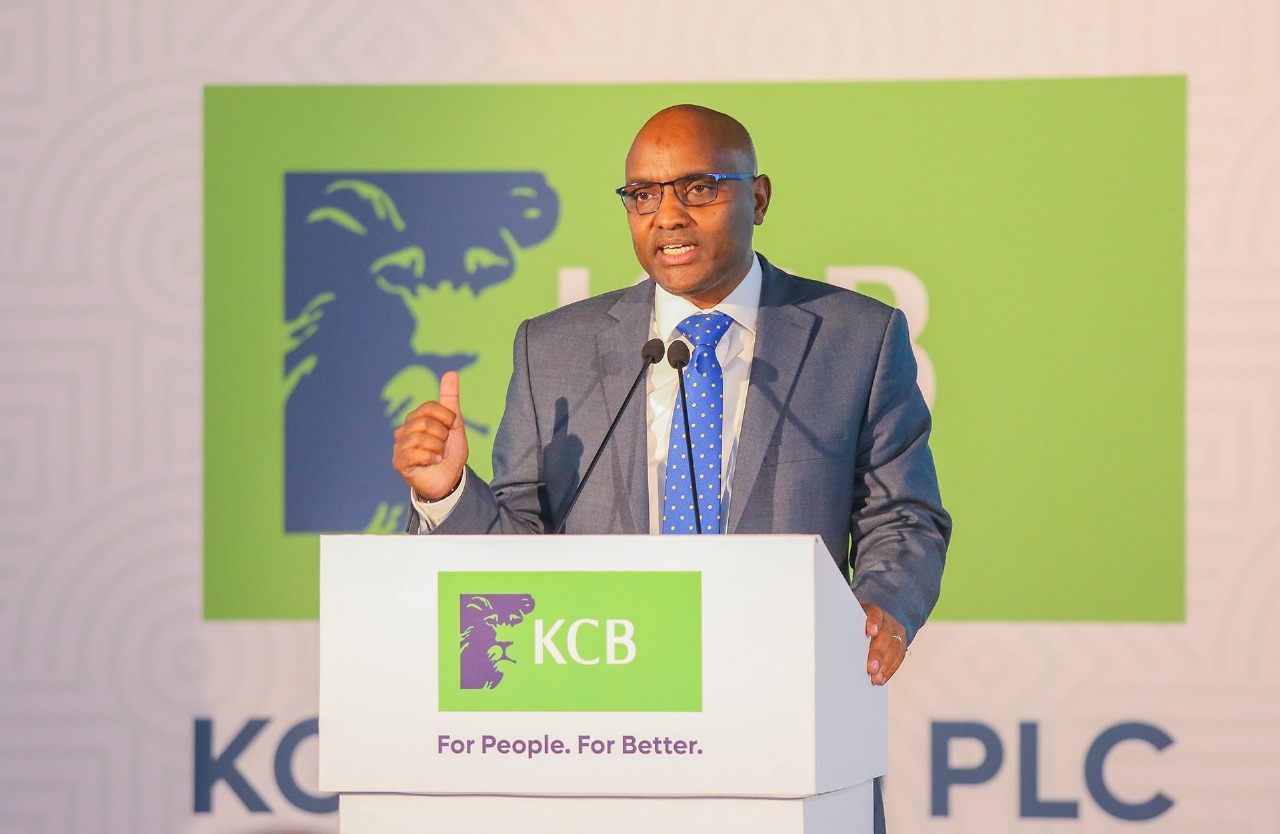
KCB Group CEO Paul Russo, speaking on the panel “Financing Ecosystems for Investment Projects in Kenya,” emphasized the bank’s unique advantage in understanding both markets and equipping businesses with the right tools and networks. From SMEs in Nairobi to established firms in Kigali or Dar es Salaam, KCB provides tailored financial solutions while acting as a connector between entrepreneurs and potential US partners.

The bank’s expansive footprint across seven African countries gives it unmatched reach in supporting entrepreneurs beyond local boundaries. Furthermore, its partnerships with key organizations such as KenInvest, KEPSA, and the Corporate Council on East Africa strengthen its ability to provide businesses with access to opportunities that would otherwise remain out of reach.

KCB Group has already begun working with US companies focused on Africa, anchoring their ventures in East Africa’s thriving markets. This proactive approach ensures that local businesses gain global exposure while international investors tap into the region’s vibrant customer base. Entrepreneurs benefit not only from financial backing but also from investor confidence, networks, and the ability to participate meaningfully in global value chains.

This initiative cements KCB Group’s growing role beyond banking, positioning it as a key partner in shaping the future of Africa–US business relations. For East African entrepreneurs, it represents a new era where global competitiveness and market access are no longer aspirational, but achievable with the right support.

CBK Opens Cybersecurity Centre to Protect Kenya’s Banking Sector

0

The Central Bank of Kenya (CBK) has unveiled the Banking Sector Cybersecurity Operations Centre (BS-SOC), a landmark initiative aimed at safeguarding the financial sector against escalating digital threats. Positioned as a central defence hub, the BS-SOC reflects CBK’s proactive stance in protecting Kenya’s financial ecosystem while enhancing resilience against increasingly sophisticated cyberattacks.

This initiative forms a key pillar of the Computer Misuse and Cybercrime (Critical Information Infrastructure and Cybercrime Management) Regulations, 2024, and aligns with the CBK Strategic Plan for 2024–2027. By embedding the BS-SOC within its Cyber Fusion Unit, CBK is ensuring a coordinated approach to addressing threats while strengthening oversight of financial institutions’ compliance with new cybercrime regulations.

The BS-SOC will offer critical services including Cyber Threat Intelligence, Incident Response, Digital Forensics, and Cyber Investigations. These capabilities will equip Kenya’s banking sector with real-time monitoring and response mechanisms that are vital in countering sophisticated cyber threat actors. At the same time, the initiative underscores the regulator’s resolve to ensure financial institutions not only comply with regulatory requirements but also build robust defences for long-term sustainability.

Importantly, CBK has initiated work to harmonise the existing Commercial Banks Cybersecurity Guidelines of 2017 and Payment Service Providers Cybersecurity Guidelines of 2019 with the newly enacted 2024 regulations. In the interim, regulated institutions are required to comply with both sets of requirements concurrently, while ensuring that all cybersecurity incidents are reported to the BS-SOC within stipulated timelines. This dual compliance underscores the regulator’s firm approach in enforcing vigilance across the sector.

CBK has also stressed that the success of the BS-SOC hinges on industry-wide collaboration. The central bank has called on all stakeholders to play an active role, noting that shared responsibility and cooperation are critical in mitigating sector-wide risks. With cybercrime evolving at unprecedented speeds, collective action remains essential in protecting the integrity of Kenya’s banking ecosystem.

The launch of the BS-SOC marks a pivotal moment in Kenya’s financial landscape, positioning CBK as a leader in regulatory innovation and cybersecurity resilience in Africa. At a time when cyber threats are not only persistent but also increasingly complex, this initiative sends a clear message: the protection of Kenya’s banking sector is a national priority, requiring vigilance, compliance, and unity across the industry.