
back to top
Home Blog Page 16

World Bank Unveils Africa Skills for Jobs Academy in Kenya

0

The World Bank, in collaboration with the Inter-University Council for East Africa and the Government of Kenya, has launched the Africa Skills for Jobs Policy Academy. This initiative is designed to address one of the continent’s most pressing challenges—youth unemployment—by equipping millions of young Africans with the practical skills required to thrive in high-potential sectors. The program represents a timely intervention to bridge the gap between education and the realities of today’s labor markets.

Speaking during the launch in Nairobi, Ndiame Diop, vice president for Eastern and Southern Africa at the World Bank, emphasized the urgency of the initiative. Each year, 10 to 12 million young Africans enter the job market, yet only about 3 million formal jobs are created. This imbalance forces millions into informal employment or leaves them jobless altogether. The Policy Academy is designed to deliver practical, scalable solutions that respond to this mismatch and prepare African youth for meaningful employment opportunities.

The three-day launch event convened over 250 participants from more than 20 countries, bringing together senior policymakers, private sector leaders, development partners, and World Bank experts. Discussions focused on aligning policy reforms, education, and skills development with the demands of emerging sectors. Key among these are agri-food value chains, tourism, energy, and digital platforms—areas with immense growth potential if supported by a skilled and capable workforce.

Technical and vocational education and training (TVET) was highlighted as a critical enabler in this process. Esther Thaara Muoria, principal secretary for Kenya’s State Department for TVET, underscored the importance of recognizing skills development as a catalyst for Africa’s industrialization and long-term economic transformation. With targeted reforms and investment in TVET, the academy seeks to close the skills gap that has long restricted youth employability across the continent.

Mary Porter Peschka, regional director for Eastern Africa at the International Finance Corporation (IFC), added that skills shortages remain a top constraint for businesses seeking to hire and expand. By supporting the academy, the IFC aims to help align training systems with labor market realities, ensuring education becomes a true driver of employment. This collaborative effort between development partners, governments, and the private sector is poised to create stronger linkages between classrooms and workplaces.

The Africa Skills for Jobs Policy Academy represents more than just a program; it is a commitment to transforming Africa’s demographic dividend into a powerful economic engine. By fostering partnerships, reforming education systems, and prioritizing skills development, this initiative has the potential to reshape the future of work for Africa’s youth, driving inclusive growth and unlocking opportunities across the continent.

EPRA Approves Registration of Six New Oil Marketers

0

Kenya’s petroleum market continues to evolve, with the Energy and Petroleum Regulatory Authority (EPRA) licensing six new oil marketing companies (OMCs) in the year ending June 2025. This brings the total number of registered firms to 146, up from 140 in the previous financial year. The entry of new players underscores the growing attractiveness of Kenya’s petroleum sector and signals increased competition that could drive efficiency and innovation across the market.

The newly licensed companies will be authorised to trade in key petroleum products including automotive gas oil, premium motor spirit, and dual-purpose kerosene. These products form the backbone of Kenya’s transport and energy sectors, meaning the participation of more players is critical to ensuring reliable supply, competitive pricing, and broader market stability. For consumers and businesses alike, the presence of additional OMCs provides greater choice and strengthens the resilience of Kenya’s energy supply chain.

The growth in the number of OMCs comes against the backdrop of rising domestic demand for petroleum products, which expanded by 6.94 percent to reach 5.8 million cubic metres. This surge has been driven by lower local and international fuel prices as well as increased economic activity across key sectors. The upward trend not only reflects Kenya’s ongoing economic recovery but also points to the essential role petroleum continues to play in powering industries, transportation, and households nationwide.

In parallel, Liquefied Petroleum Gas (LPG) consumption has experienced robust growth, rising by 15 percent from 360,594 metric tonnes in 2023 to 414,861 metric tonnes in 2024. This growth is significant as LPG is increasingly positioned as a cleaner, safer, and more sustainable alternative for households and institutions. The rollout of the National LPG Growth Strategy, which promotes adoption in public institutions, households, and among low-income communities, is expected to accelerate this trend and enhance energy access in line with Kenya’s clean energy goals.

Analysts further highlight that EPRA’s recent fuel price stabilisation measures have created a more predictable and investor-friendly environment. By cushioning consumers from global price shocks and ensuring market stability, these measures have encouraged confidence in the sector, making it more attractive for new entrants. The resulting competition is expected to benefit both the market and end-users through better pricing and improved service delivery.

As Kenya strengthens its position as a regional energy hub, the entry of new oil marketing companies, combined with growing LPG adoption and stabilised market conditions, represents a pivotal moment for the sector. The future outlook points to a more competitive, inclusive, and sustainable energy landscape that supports economic growth while advancing access to cleaner energy solutions.

Diamond Trust Bank Launches New Branch in Kilimani

0

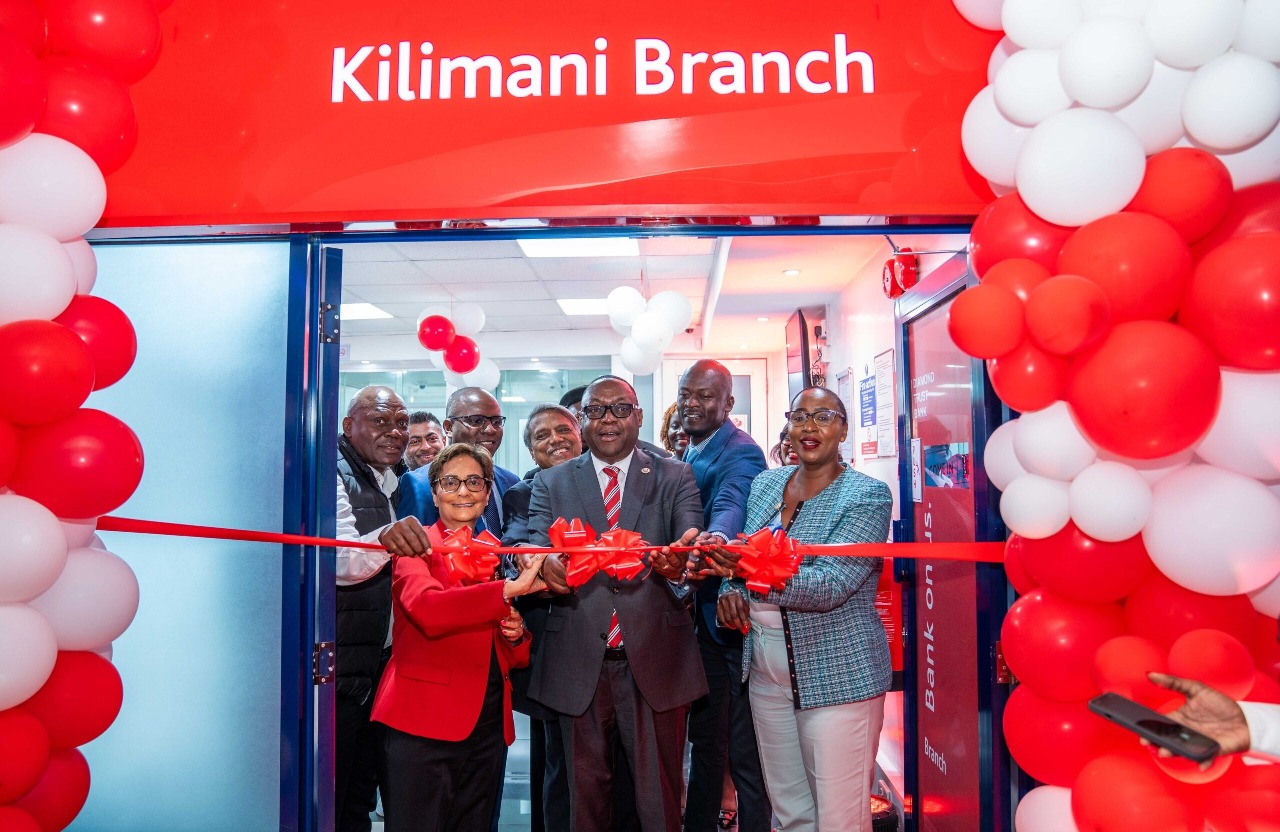
Diamond Trust Bank (DTB) has officially expanded its footprint with the opening of a new branch in Kilimani, Nairobi. This addition raises DTB’s branch network to 90 outlets in Kenya and 150 across East Africa, underscoring the bank’s consistent growth trajectory and long-term commitment to deepening financial inclusion in the region.

The Kilimani branch is part of DTB’s broader strategic roadmap designed to bring financial services closer to customers while providing easy access to its diverse portfolio of products. The move reflects the bank’s determination to adapt to the needs of Kenya’s dynamic financial landscape, where customers increasingly expect convenience, accessibility, and tailored solutions.

Strategically located at 197 Lenana Place along Lenana Road, the branch will serve a growing and diverse community in one of Nairobi’s fastest-developing suburbs. Kilimani’s blend of professionals, corporates, and entrepreneurs makes it a prime location for DTB to deliver services that foster economic growth while ensuring strong ties with both individuals and businesses in the area.

Speaking at the launch, DTB’s Director of Retail Banking, George Otiende, emphasized the bank’s customer-first approach, noting that the new branch represents DTB’s ongoing mission to “meet customers where they are” and provide innovative, accessible, and personalised banking solutions. This reinforces DTB’s dedication to walking alongside its clients as they pursue growth, prosperity, and financial empowerment.

The Kilimani branch will provide a comprehensive suite of services, including personal and business accounts, loans, mortgages, cards, insurance, and investment opportunities. Additionally, customers will benefit from DTB’s robust digital platforms, ensuring seamless transactions that complement face-to-face support and advisory services available at the branch.

Through this launch, DTB reaffirms its role as a leading financial institution shaping Kenya’s banking sector. The expansion highlights DTB’s vision of delivering innovative solutions that empower individuals, support businesses, and strengthen communities across the region. By investing in physical and digital infrastructure, DTB continues to provide value to its customers while contributing to the overall growth of East Africa’s financial ecosystem.

Kenya Allocates Ksh 6.1B for EV Charging Rollout

0

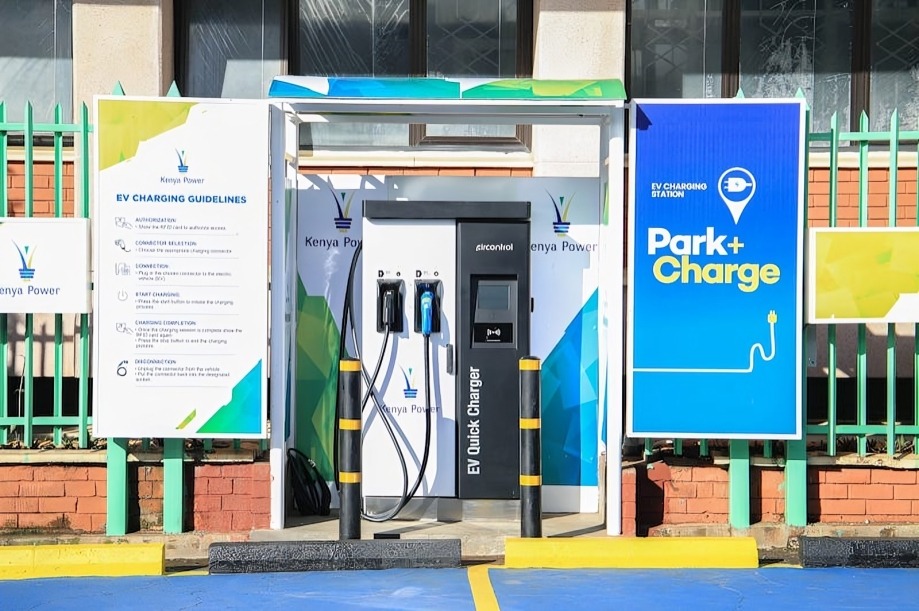
Kenya is taking a decisive step toward sustainable mobility with an ambitious plan to invest $47.26 million (Ksh 6.12 billion) in the rollout of 10,000 electric vehicle (EV) charging stations across the country. The new policy framework, outlined by the Ministry of Energy and Petroleum, underscores the government’s commitment to accelerating the adoption of EVs and building the infrastructure required to support cleaner, greener transportation.

The rollout will be implemented in three key phases. Phase one will target 17 towns along the Mombasa–Busia highway corridor, one of the country’s busiest transport routes. This initial phase, costing $9.16 million (Ksh 1.18 billion), will serve as a pilot for wider expansion, ensuring EV drivers have access to reliable charging points across strategic transit hubs.

In phase two, the project will extend to 23 additional towns and connecting roads at an estimated cost of $13.9 million (Ksh 1.8 billion). This will significantly expand the coverage beyond the initial corridor, easing travel between key urban and regional centers. The final and most capital-intensive phase will require $24.2 million (Ksh 3.13 billion) and focus on installing charging stations at county headquarters and satellite towns not addressed in earlier stages.

This bold initiative is outlined in the National Energy Compact 2025–2030 and has already been submitted to the African Development Bank (AfDB), a longstanding partner in Kenya’s energy development. Importantly, the entire project will be government-funded, demonstrating Kenya’s strong commitment to reducing emissions, modernizing its transport sector, and aligning with global climate goals.

The lack of adequate charging infrastructure has long been cited as a major bottleneck to EV adoption. As of December 2024, Kenya had 5,294 registered EVs—a 41 per cent increase from the previous year—yet most charging points remained concentrated in Nairobi. Efforts by Kenya Power and regulations introduced in 2022, which mandate charging stations every 25 kilometers on major highways, have begun to address this challenge, but the new plan represents a significant scale-up.

With towns such as Voi, Emali, Naivasha, Nakuru, Eldoret, and Kisumu prioritized in the first phase, and further expansion to Malindi, Machakos, Narok, Kisii, Garissa, and Nanyuki in the second, the rollout will not only promote EV adoption but also stimulate regional development. By bridging infrastructure gaps, Kenya is positioning itself as a regional leader in e-mobility and clean energy innovation, paving the way for a more sustainable future in transport.

Starlink Fuels 115% Surge in Kenya’s Satellite Internet

0

Kenya’s satellite internet market is undergoing a remarkable transformation, with subscriptions surging by 115.5% in just one year. According to the Communications Authority of Kenya, satellite internet users reached 17,939 by June 2025, up from 8,325 the previous year. At the center of this rapid growth is Starlink, whose entry has disrupted the market through its advanced low-earth-orbit satellite technology.

Starlink alone recorded 17,425 fixed satellite subscriptions by mid-2025, securing a 0.8% share of the country’s fixed internet market. While this figure may appear modest compared to established providers such as Safaricom, Jamii Telecommunications, and Zuku, Starlink now represents nearly all satellite connections in Kenya. Its technology is particularly appealing because it bypasses traditional fiber and mobile infrastructure, offering new possibilities for households and businesses in underserved regions.

The broader fixed internet market has also shown impressive momentum, with subscriptions expanding by 42.9% year-on-year to 2.14 million. Fiber remains the dominant choice for most urban users, but satellite is gaining recognition as a complementary solution, especially in areas where deploying fiber is costly and slow. Starlink’s presence underscores the potential of alternative technologies to reshape connectivity in Kenya.

Beyond market share, Starlink is already making a tangible difference in bridging the digital divide. By reducing dependence on ground-based infrastructure, it is bringing high-speed internet to remote communities, empowering schools, businesses, and government services in regions that were previously left behind. This development highlights the role of satellite broadband in advancing inclusivity and digital transformation.

Affordability, however, remains a major hurdle. Starlink’s subscription fees and equipment costs are still higher than urban fiber packages, limiting adoption among lower-income households. The Communications Authority has emphasized that while satellite internet is expanding access, pricing models must evolve to ensure broader participation and equity in connectivity.

Nevertheless, the rise of Starlink marks a pivotal shift in Kenya’s internet landscape. Its rapid adoption is pressuring traditional providers to innovate in pricing and service delivery, particularly in rural markets. If affordability challenges are addressed, satellite internet could evolve from a niche solution into a mainstream complement to fiber and mobile networks, pushing Kenya closer to achieving universal internet access.

IEBC Implements Iris Scanning for Voter Registration in Kenya

0

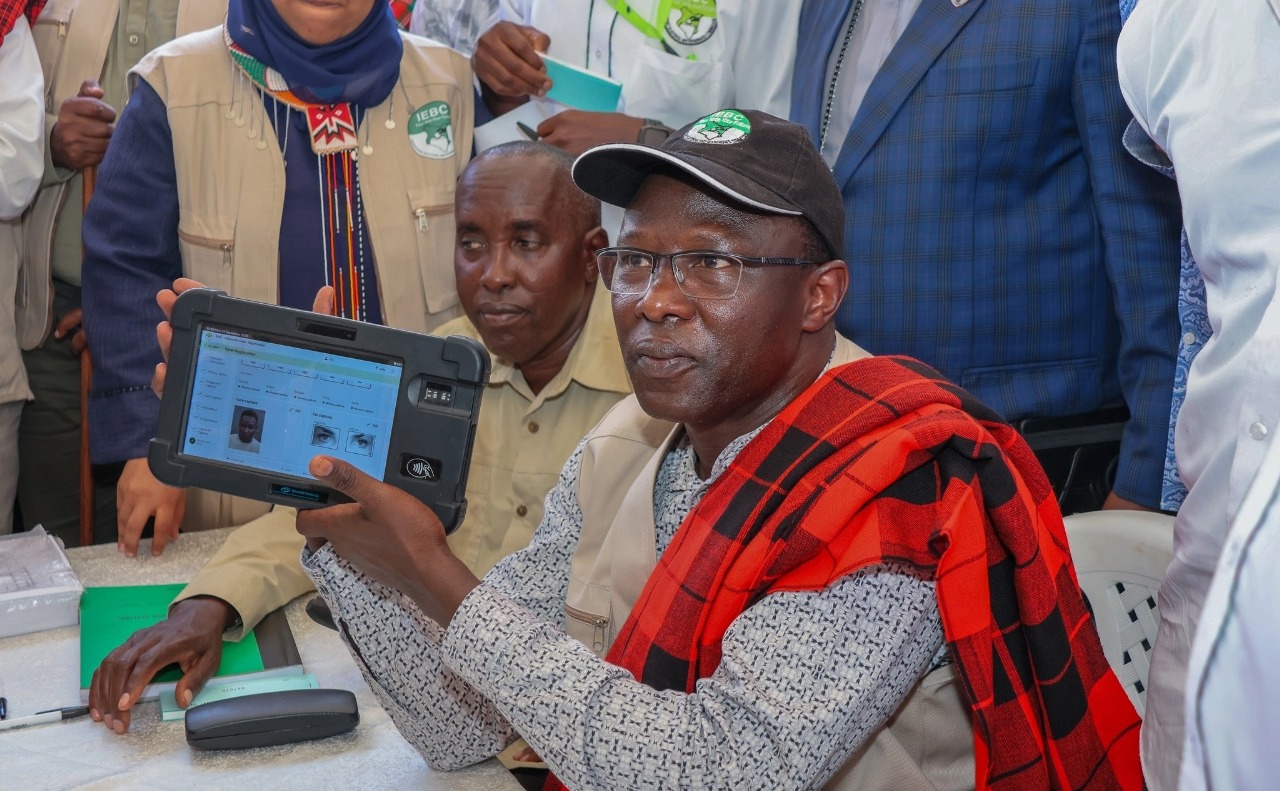
The Independent Electoral and Boundaries Commission (IEBC) has unveiled a new voter registration drive that marks a major leap in Kenya’s electoral technology. For the first time in the country’s history, iris recognition will be incorporated alongside fingerprint scans to build a more permanent and reliable biometric profile for voters. This development signals a significant step toward enhancing the integrity of Kenya’s elections by curbing fraud, impersonation, and double registration.

Iris recognition is widely regarded as one of the most accurate biometric tools, owing to the fact that iris patterns remain unchanged throughout a person’s lifetime. Unlike fingerprints, which may fade due to aging or manual labor, iris scans offer a consistent and nearly impossible-to-forge identifier. By adopting this technology, IEBC aims to ensure that every vote cast is tied to a verifiable individual, thereby strengthening public trust in the electoral process.

However, the introduction of iris scans raises important questions around privacy and data protection. Unlike passwords or ID numbers, iris data cannot be reset or changed if compromised. This makes its collection and storage extremely sensitive, demanding high levels of security and accountability from the IEBC. Civil rights groups and data privacy advocates are already voicing concerns about how this biometric information will be encrypted, who will have access to it, and how long it will be stored.

Kenya’s record on data protection adds another layer to the debate. While the Data Protection Act provides a framework for safeguarding personal information, its enforcement has historically lagged behind rapid technological advancements. The inclusion of iris recognition now places the IEBC under greater scrutiny to ensure that the millions of biometric profiles collected will remain secure and be used strictly for electoral purposes, without risk of misuse or exposure.

Globally, Kenya joins a growing list of countries adopting iris recognition for civic processes. India’s Aadhaar system and Ghana’s voter registration are notable precedents, both of which improved accuracy but also sparked significant debates and legal challenges regarding surveillance, privacy, and misuse of personal data. Kenya’s rollout may follow a similar trajectory, balancing innovation with public skepticism. Early signs of mistrust were evident on the first day of registration, where turnout was low as citizens expressed hesitation about the new system.

Despite these challenges, the move demonstrates Kenya’s ambition to modernize its electoral process and position itself as a leader in biometric adoption in Africa. The success of this initiative will depend on transparency, robust data protection practices, and meaningful public engagement to rebuild confidence in the system. For the IEBC, the journey ahead is not just about introducing new technology but about safeguarding democracy through trust, accountability, and innovation.

Kenya’s Payments Industry Revenue Projected to Reach $0.8B by 2029

0

Kenya’s payments industry is on a remarkable growth trajectory, with revenues projected to rise from $0.5 billion in 2024 to $0.8 billion by 2029, according to the latest Boston Consulting Group (BCG) Global Payments Report 2025. This represents a compound annual growth rate (CAGR) of 8 percent, positioning Kenya among the fastest-growing payments markets in Africa and underlining its continued leadership in digital finance. The report highlights that transaction revenues will remain at the core of this growth, expanding at the same 8 percent pace through 2029.

Central to this momentum is the widespread adoption of mobile money platforms like M-Pesa, which have transformed how people and businesses manage payments and transactions. Alongside this, the rollout of real-time account-to-account (A2A) payment systems is redefining speed, accessibility, and reliability in financial services. These innovations are not only advancing Kenya’s digital economy but also cementing its role as a continental leader in payment innovation.

The growth story is not confined to Kenya alone. Across Africa, payments revenues are projected to double from $9 billion in 2024 to $19 billion by 2029, growing at an annual rate of 10 percent. This pace far outstrips other global regions such as Europe, North America, and Asia-Pacific, where growth remains at a modest 3–4 percent. The driving forces behind this acceleration include fintech disruption, mobile-first innovation, and a significant shift from cash-based transactions to digital alternatives.

The BCG report further outlines five transformative shifts shaping the global payments industry: agentic AI, digital currencies, fintech disruption, real-time A2A systems, and cost transformation. Each of these is expected to redefine the payments landscape in Kenya and across Africa. Notably, stablecoins processed $26 trillion in volume in 2024, fintechs globally generated $176 billion in revenue with 23 percent annual growth, and real-time payments adoption surged by 40 percent. By 2030, the Middle East and Africa are projected to exceed 50 percent adoption of real-time payment systems.

According to BCG Nairobi Managing Director and Partner, Takeshi Oikawa, Kenya’s projected payments growth is anchored in strong transaction volumes and the ubiquity of mobile money and real-time payment solutions. He emphasizes that this momentum is not only accelerating financial inclusion but also creating new opportunities for both consumers and businesses. Kenya’s experience illustrates how mobile innovation and fintech can drive sustainable economic transformation and inclusive growth.

As the global payments industry begins to moderate to slower annual growth rates of around 4 percent—compared to 8.8 percent in the past five years—Kenya and Africa stand out as global bright spots. With fintech innovation, mobile platforms, and real-time payments powering entire economies, the continent continues to demonstrate its potential to lead in shaping the future of global payments.

Kenya’s Mobile Money Subscriptions Hit 47.7M

0

Kenya’s mobile money sector continues to demonstrate remarkable momentum, with subscriptions reaching 47.7 million by June 2025. According to the latest Communications Authority of Kenya (CA) report, this represents a 91 per cent penetration rate, up sharply from 77.3 per cent in June 2024. The growth reflects the rising demand for financial inclusion, especially among the unbanked population, and reaffirms mobile money as a cornerstone of Kenya’s financial ecosystem.

The number of mobile money agents also surged, rising by 9.2 per cent in the same quarter to reach 453,480. This expansion of agent networks has been crucial in ensuring accessibility of financial services across both urban and rural areas, supporting inclusion at every level. Revenues generated from mobile services also tell a powerful story: the sector recorded Sh425.5 billion in 2024, a 10.7 per cent increase from the previous year, with mobile money, roaming, and bulk SMS accounting for the lion’s share of earnings.

The CA report further reveals that mobile (SIM) subscriptions reached 76.7 million by June 2025, translating to a penetration rate of 146.3 per cent. This surge has been supported by the continued rollout of telecom infrastructure, widespread adoption of smartphones, and the increasing demand for mobile broadband. Mobile broadband subscriptions alone grew to 45.8 million, marking a 15.7 per cent rise from the previous quarter and underscoring Kenya’s accelerated transition into a data-driven economy.

Beyond mobile money and broadband, other communication services also recorded growth. Domestic voice traffic rose to 29.17 billion minutes, while SMS usage climbed 6.5 per cent to 15.25 billion messages. International outgoing mobile voice traffic saw a notable 11.4 per cent rise to 200.3 million minutes, further highlighting the interconnectedness of Kenyan subscribers in the global digital space. These numbers illustrate the broadening influence of digital services across personal, commercial, and international communication.

The report also highlighted new challenges and sectoral shifts. Cyber threats nearly doubled, jumping by 80.8 per cent to 4.6 billion cases during the quarter. The CA attributed this to enhanced surveillance through upgraded KE-CIRT tools, showing both the scale of the threat and the strengthening of Kenya’s cybersecurity capacity. Meanwhile, fixed voice traffic continued to decline, while fixed broadband subscriptions rose, showing an ongoing preference for digital-first solutions over traditional infrastructure.

The CA concludes that the financial year 2024/25 has been shaped by an accelerated demand for digital services, financial inclusion, and the ongoing transition from feature phones to smartphones. This shift has broadened internet accessibility, powered e-commerce, enabled e-government services, and driven social inclusion. With mobile money firmly embedded in daily life and Kenya maintaining its role as a pioneer in digital finance and connectivity, the country continues to solidify its global reputation as a leader in digital transformation.

Kenya Wildlife Service Implements Revised Park Fees October 1

0

Kenya has approved a major revision of entry fees for its national parks, reserves, and sanctuaries, marking one of the most significant shifts in recent years. The new rates, endorsed by Parliament, officially take effect on October 1 and are expected to play a crucial role in boosting conservation funding while aligning with the country’s tourism development strategy.

According to the Kenya Wildlife Service (KWS), Nairobi National Park will see the steepest hike, with resident charges rising from Sh430 to Sh1,000. Premium parks such as Amboseli and Lake Nakuru will now cost Sh1,500 for Kenyan citizens and Sh11,660 for international visitors, reflecting their popularity as flagship destinations for both local and foreign tourists.

Mid-tier parks, including Meru and Aberdare, will be priced at Sh800 for residents and Sh9,070 for international guests, while Hell’s Gate National Park remains relatively affordable at Sh500 for local visitors. These adjustments demonstrate a tiered approach designed to balance accessibility with the need for enhanced funding for conservation and park management.

Importantly, KWS has announced exemptions for licensed guides, porters, community guides, boat crew, children under five, senior citizens over 70, and persons with disabilities. These measures ensure inclusivity and protect vulnerable groups while still driving much-needed revenue growth for wildlife conservation and park operations.

KWS Director Erastus Kanga emphasized that all bookings made through the government’s eCitizen platform before the new regulations take effect will be honored under the old pricing. The revised fees will only apply to new bookings made from October 1 onward, providing clarity and fairness to visitors who had already secured their tickets.

These changes are expected to significantly increase revenues for Kenya’s protected areas while supporting the government’s broader tourism and conservation strategies. By rebalancing park entry fees, Kenya aims to strengthen sustainable wildlife management, promote domestic and international tourism, and safeguard its globally renowned natural heritage for future generations.

Pesalink, Cellulant Partner to Power Instant Merchant Payments in Kenya

0

Pesalink and Cellulant have announced a landmark partnership aimed at scaling customer-to-business (C2B) payments for online services in Kenya. Through this collaboration, Pesalink will integrate Cellulant’s Tingg platform, which connects over 80 financial institutions—including 39 commercial banks, SACCOs, and fintechs—directly to merchants. This creates a seamless payments ecosystem linking millions of bank accounts to businesses, solving long-standing inefficiencies in Kenya’s digital payments space.

The partnership addresses recurring challenges such as delays, reconciliation errors, and limited payment options. By enhancing interoperability between banks, fintechs, and merchants, customers will now benefit from instant and affordable payments. Transactions can reach up to KSh 999,999 per purchase with higher daily limits, eliminating the need for customers to shuffle funds across multiple mobile money or card platforms. At the same time, merchants gain confidence with accurate reconciliation and faster settlement.

A key feature of this integration is the ability for customers to confirm payment details before sending funds. Each transaction is assigned a reliable reference number, ensuring payments are routed to the correct merchant and appropriately linked to the service or product purchased. This system builds trust, reduces disputes, and minimizes costly errors, strengthening digital payments as a dependable choice for businesses and consumers alike.

Businesses, particularly in high-value sectors like travel and airlines where the service has already gone live, will now experience fewer disputes and reduced delays. With reconciliation simplified, enterprises can focus on scaling operations and delivering value rather than chasing missing or delayed payments. Over time, the rollout will extend to a wider pool of businesses, supporting growth across Kenya’s digital economy.

Tingg’s single API platform, which supports over 200 payment methods across online and offline channels, currently processes more than 4.5 million transactions daily. This partnership therefore leverages existing scale and infrastructure to unlock greater efficiency for both local and international businesses. Cellulant emphasizes that seamless, secure payments not only support commerce but also catalyze economic opportunities, innovation, and financial inclusion.

Kenya’s digital payments market is projected to reach US$9.36 billion in 2025, with mobile money accounting for more than US$5.85 billion. Pesalink alone processes KSh 4 billion daily and over KSh 110 billion monthly, marking 41% year-on-year growth. By combining strengths, Pesalink and Cellulant are demonstrating how collaborative infrastructure can transform financial ecosystems, boost business competitiveness, and create pathways for inclusive growth.