
back to top
Home Blog Page 15

Kenya Set to Replace Paper Degrees with Digital Credentials

0

Kenya is taking bold steps to transform its education and labour market systems by replacing traditional paper degrees with Digital Verifiable Credentials. This forward-looking initiative, spearheaded by the Ministry of Information, Communications, and the Digital Economy in collaboration with the Ministry of Education and partners such as the Tony Blair Institute, seeks to ensure that academic qualifications can be securely authenticated and seamlessly verified in real-time through a digital system. The move signals a major leap toward digitization and efficiency in academic certification.

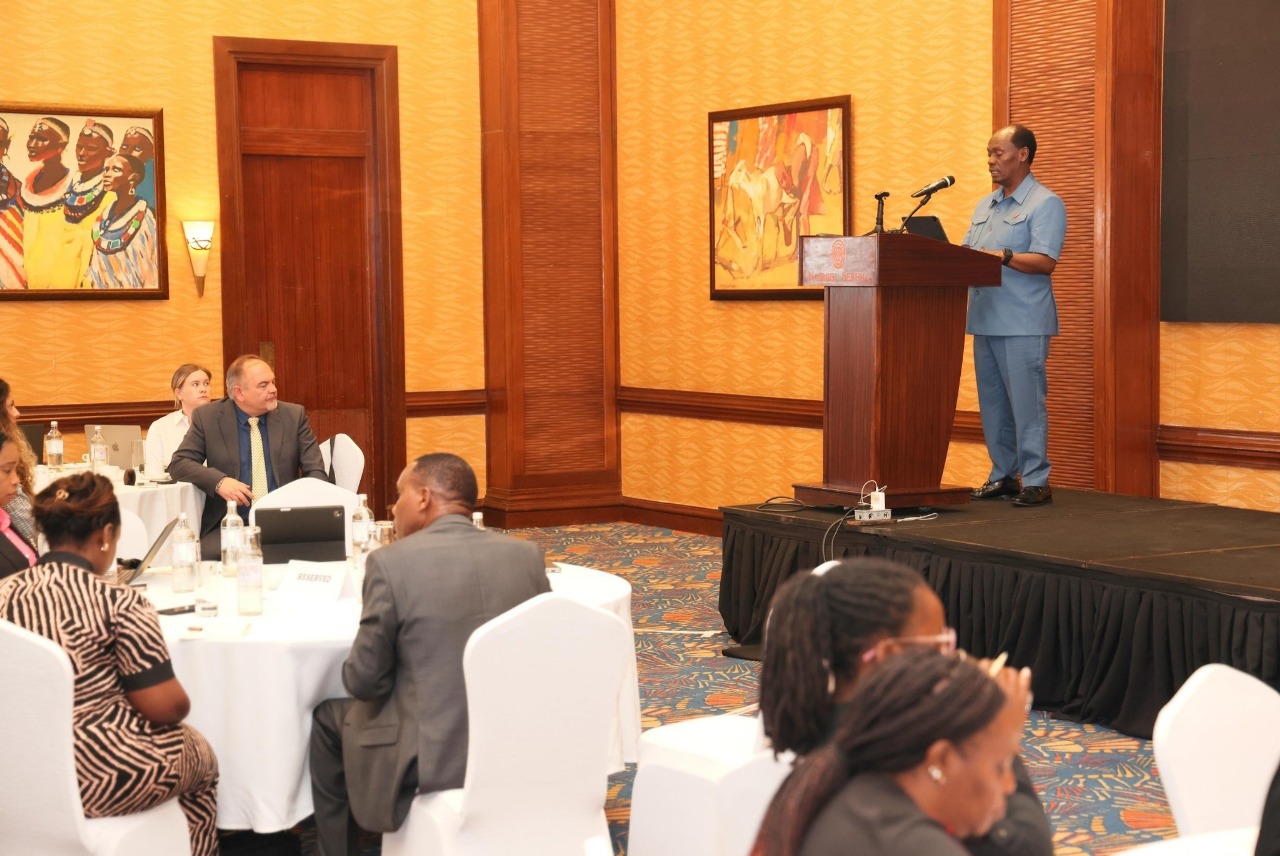
At the recently launched Stakeholders Workshop for Verifiable Credentials, discussions centered on building a shared understanding of verifiable digital systems and digital wallets. Stakeholders also explored practical use cases that would guide the adoption of best practices for rolling out Verifiable Credentials. This collaborative process underscores the government’s commitment to developing a robust roadmap, identifying key players, and setting a clear proof of concept that will drive the implementation of this innovation nationwide.

Cabinet Secretary William Gitau highlighted that adopting Verifiable Credentials directly addresses long-standing challenges in Kenya’s labour market. These include the high costs incurred from paper certificate issuance and the delays caused by manual verification processes across institutions. By shifting to a secure digital format, the country aims to restore integrity, improve efficiency, and remove bottlenecks in the issuance and validation of academic qualifications.

The benefits of Verifiable Credentials extend beyond efficiency. Gitau emphasized that this system will play a critical role in safeguarding the privacy and security of student data, enabling faster issuance of academic documents, and ensuring transparency and fairness in the education and employment ecosystem. This innovation will empower graduates, institutions, and employers alike by creating a trusted and seamless digital credentialing environment.

Beyond Kenya, the government envisions this transformation as a model for the continent. A successful nationwide rollout will pave the way for the adoption of Verifiable Credentials across Africa, positioning Kenya at the forefront of digital innovation in education and labour market reforms. By embracing this system, Kenya is setting a precedent for how technology can safeguard trust, efficiency, and inclusivity in critical national processes.

Crown Paints Appoints Mustafa Turra as New CEO

0

Crown Paints Kenya has ushered in a new era of leadership with the appointment of Mustafa Turra as its Group Chief Executive Officer, effective October 1, 2025. This strategic move reflects the company’s commitment to strengthening its leadership in the paints and coatings industry while preparing for the next phase of growth and transformation. Turra succeeds Dr. Rakesh Rao, who has led the company with distinction since 2005 and played a pivotal role in Crown Paints’ steady rise in both the Kenyan and regional markets.

Turra brings a unique blend of global expertise and industry depth to his new role. He joins Crown Paints from Olam Agri Nigeria, where he served as Vice President and Business Head of Soy Crush Integrated Feed & Protein, steering Sub-Saharan Africa’s largest feed business. His leadership experience extends far beyond agriculture, with over 20 years of deep involvement in the paint industry across more than 10 countries. This background has equipped him with hands-on knowledge of manufacturing, distribution-led environments, and the building of multicultural, high-performing teams.

Armed with an MBA in Strategic Management and Marketing from XLRI Jamshedpur and a Bachelor of Technology in Electrical Engineering from Jamia Millia Islamia, New Delhi, Turra embodies a balance of technical expertise and strategic acumen. His global outlook and ability to drive transformation in fast-paced industries will be critical as Crown Paints navigates the evolving demands of design-conscious markets across Africa. The company’s board emphasized its confidence in Turra’s ability to spearhead Crown Paints’ ambitious growth agenda.

As the industry becomes more competitive, Crown Paints’ decision to bring in a leader with such a diverse and international track record signals its determination to stay ahead of the curve. Turra’s history of driving innovation and transformation positions him well to strengthen the brand’s market leadership, foster sustainable growth, and elevate Crown Paints’ reputation as a leading player in the paints and coatings space across the region.

At the same time, Crown Paints expressed its deep appreciation to outgoing CEO Dr. Rakesh Rao for two decades of exceptional service. His leadership guided the company through an era of steady expansion and industry recognition. With Turra now at the helm, the focus will shift toward leveraging global best practices, deepening customer engagement, and delivering bold strategies to ensure Crown Paints continues to thrive in Africa’s dynamic business landscape.

Tala Extends Financial Services into New Latin America

0

Tala, a leading fintech company, has announced its expansion into new Latin American markets, starting with Guatemala, followed by the Dominican Republic and Panama before the end of 2025. This move marks a significant step in its global growth strategy as the company seeks to replicate the success it has achieved in Mexico, where it has served nearly four million customers and disbursed over 20 million loans since entering the market eight years ago. Mexico has been Tala’s fastest-growing market and now serves as the blueprint for this ambitious expansion.

At the core of this rollout is Tala’s “Tala in a Box” platform, a comprehensive system that integrates credit assessment tools, payments infrastructure, and customer relationship management. This technology-driven approach will allow the company to adapt quickly to new markets and deliver financial services efficiently. Central to this is Tala InSight, an AI-powered tool that helps create financial identities for users who may lack conventional credit histories, addressing one of the most pressing challenges in financial inclusion.

Tala’s offering extends beyond credit to a full financial stack, including payments, transfers, and backend rails for cross-border services. This holistic approach has fueled consistent growth, with the company reporting a three-year compound annual revenue growth rate of 35%. By leveraging this infrastructure, Tala aims to deliver sustainable financial solutions while also maintaining the scalability needed to thrive in diverse economic landscapes across Latin America.

The company’s track record and global backing give it a strong foundation for this next phase. Tala has raised over $500 million in debt and equity financing and has issued more than $7 billion in credit to over 12 million customers across East Africa, Southeast Asia, and Latin America. These resources, coupled with its proven ability to build trust and scale operations, position Tala to make a significant impact in markets where mainstream finance still fails to reach the majority.

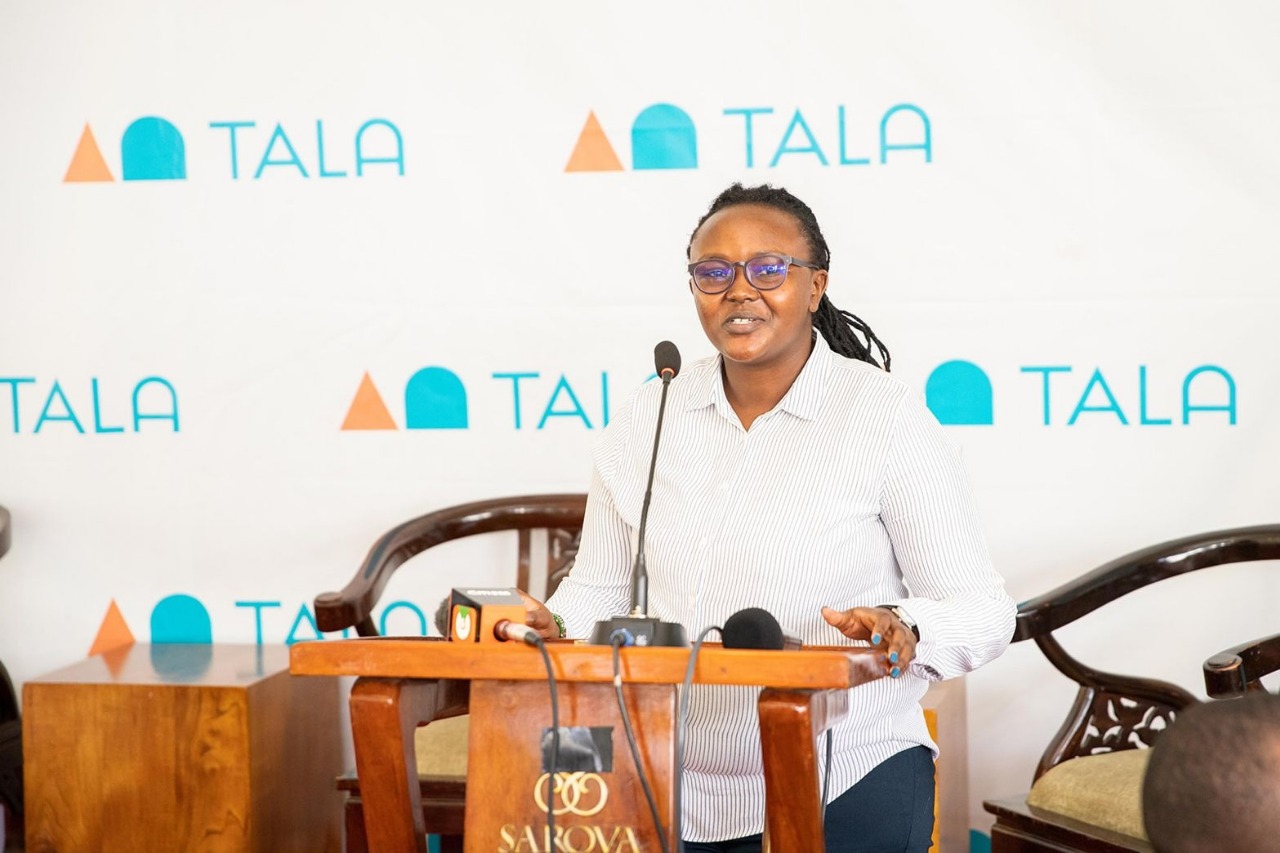
As Tala enters Guatemala, Panama, and the Dominican Republic, it seeks to extend financial access to underserved communities while navigating varied regulatory environments, competition from established players, and broader economic volatility. According to Annstella Mumbi, General Manager, Tala Kenya, the company’s experience in Mexico has provided deep insights into the region’s needs, reinforcing Tala’s belief that its technology and products can close the financial inclusion gap. This expansion underscores Tala’s commitment to empowering individuals worldwide with greater access to fair and inclusive financial services.

Safaricom Selects 10 Startups for Spark Accelerator Cohort

0

Safaricom has announced the 10 startups selected as finalists for the second cohort of its Spark Accelerator Program, a corporate innovation initiative launched in partnership with M-PESA Africa, Sumitomo Corporation, and implemented by iHUB. The program, which begins in October 2025, will fast-track the growth of these startups by providing mentorship, technical support, and market access opportunities. This year’s selected ventures include Mediakits.Io, WePlay Arcade, GoPay, FlexPay, QuePay, Leta.AI, Oye, DigiTax, Incourage Insurance Agency Limited, and StockApp.

The Spark Accelerator Program is designed to empower early-stage ventures that are building innovative, commercially viable solutions with a strong societal impact. According to Safaricom CEO Peter Ndegwa, the initiative goes beyond financial support to equip startups with critical tools such as product development support, access to customers, and extensive distribution networks. This holistic approach ensures that entrepreneurs are not only funded but also strategically positioned for sustainable growth and scalability.

The accelerator features a dual-track model tailored to maximize startup growth. Through the iHUB-led track, founders participate in structured workshops, expert mentorship, and advisory sessions that sharpen their skills and refine their business strategies. In parallel, the corporate engagement track grants access to Safaricom and M-PESA Africa’s commercial and technical teams, opening up distribution channels and integration opportunities that enable startups to test, refine, and scale their solutions in real-world markets.

The cohort will culminate in a Demo Day scheduled for February 2026, where the startups will showcase their progress and pitch to venture capital funds, investors, and key stakeholders. Importantly, Safaricom has also built post-acceleration support into the program, offering nine to twelve months of continued guidance to help participating startups navigate the challenges of scaling and market entry beyond the demo stage.

The selected ventures represent diverse and strategically significant sectors for Africa’s future, including Embedded Finance, Creative Economy, Future Fintech, and SME Productivity Tools. As noted by Ojoma Ochai, Managing Director of iHUB and Co-creation Hub, corporate accelerators like Spark are vital to Africa’s innovation journey. By strengthening the capacity of ventures to scale, the program creates pathways for sustainable growth, resilience, and long-term impact across the continent.

Safaricom Business Highlights Cybersecurity Strength Before 2025 Summit

0

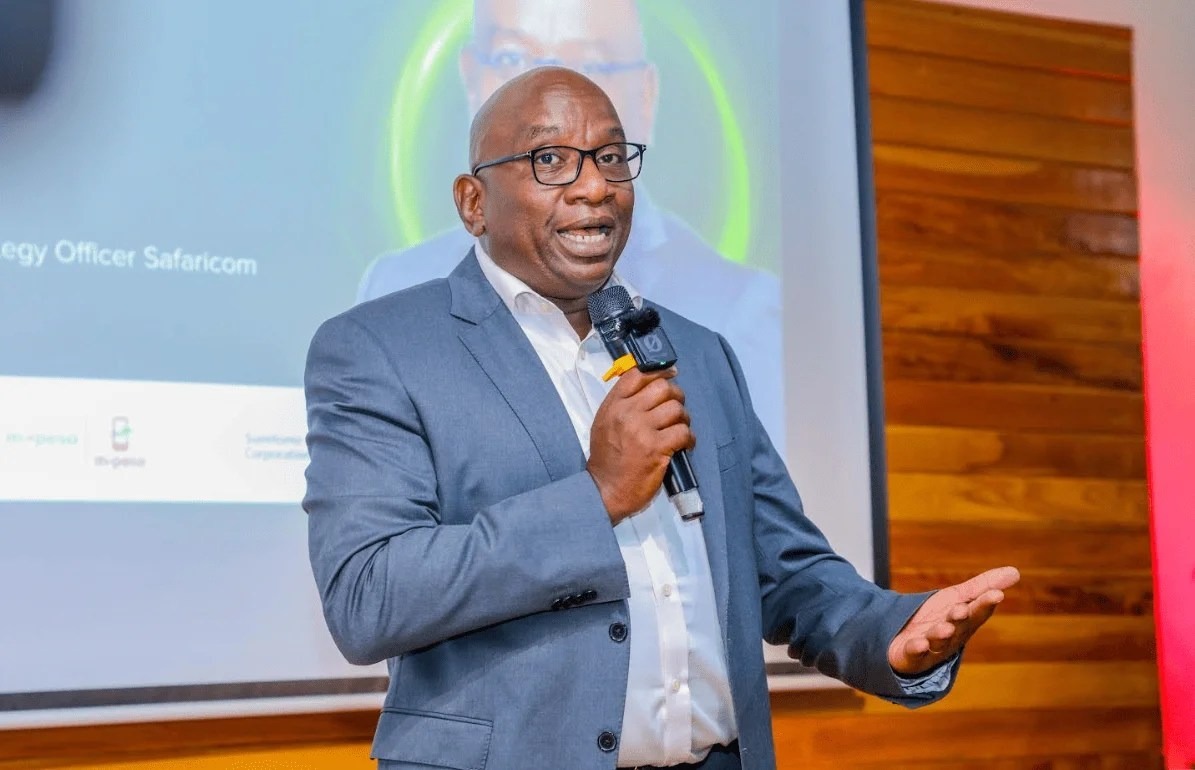
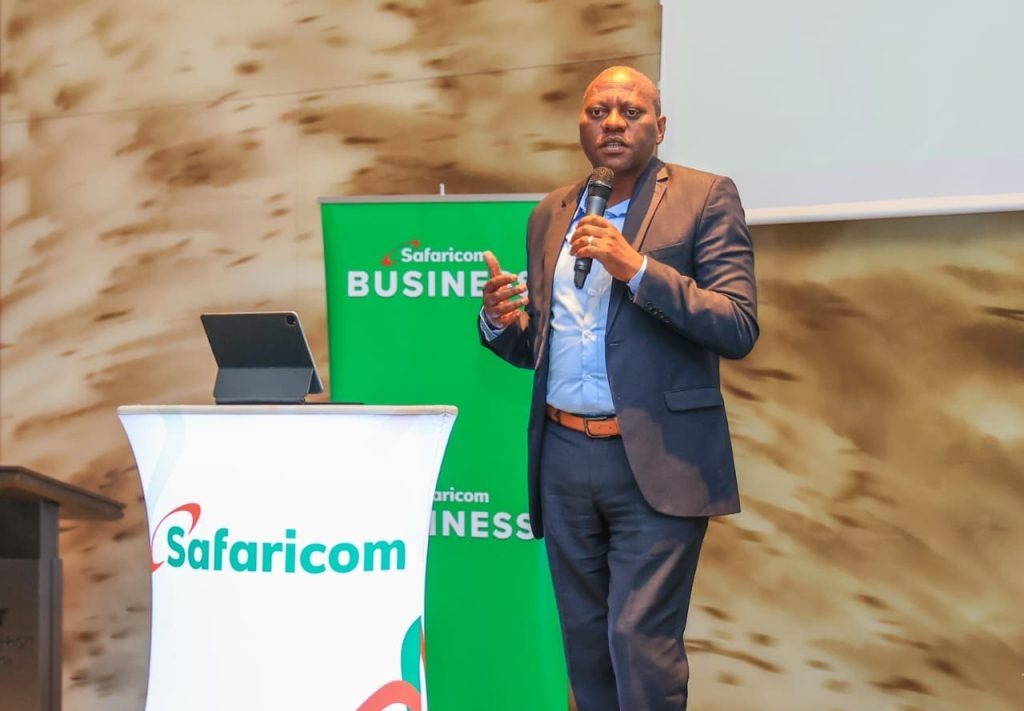
Safaricom Business recently hosted an exclusive breakfast session that brought together senior IT and security executives to address the growing cyber threat landscape. At the heart of the session was the demonstration of the Managed Security Operations Centre (MSOC), a platform designed to strengthen enterprise resilience by providing real-time monitoring, detection, and response capabilities. Through live threat simulations, participants gained a first-hand view of how MSOC’s analytics-driven tools help organizations safeguard their systems and data.

The session underscored the critical role of cybersecurity in sustaining business continuity. Frankline Okata, Acting Chief Enterprise Business Officer at Safaricom, emphasized that enterprises can no longer treat security as an afterthought. Instead, it must be seen as central to protecting reputation and operational stability. He highlighted how MSOC equips businesses with the expertise and technology needed to identify threats early and respond swiftly, reducing the potential impact of cyberattacks.

Kenya’s cyber threat landscape continues to evolve at an alarming rate. According to the Communications Authority of Kenya, the country recorded 4.6 billion cyber incidents in the second quarter of 2025 alone. These attacks, often driven by unpatched vulnerabilities, weak security practices, and the rise of AI-powered threats, signal the urgency for organizations to strengthen their digital defenses. The sheer volume of incidents reflects the scale of risk faced by enterprises across sectors.

Speaking during the event, Safaricom’s Chief Corporate Security Officer, Nicholas Mulila, stressed that ransomware, phishing, and insider threats remain some of the most pressing risks. He noted that the key question is no longer whether businesses will be targeted, but when. This reality calls for proactive investment in cybersecurity solutions and partnerships that can help organizations anticipate and mitigate attacks before they escalate.

Safaricom reaffirmed its commitment to being a trusted partner in safeguarding enterprises against emerging threats. By leveraging platforms like the MSOC, businesses can not only detect threats in real-time but also recover quickly when incidents occur. The breakfast session demonstrated the importance of collaboration, awareness, and continuous innovation in building resilience against cyber risks in today’s digital economy.

Kenya leads Africa in building resilient tourism sector

0

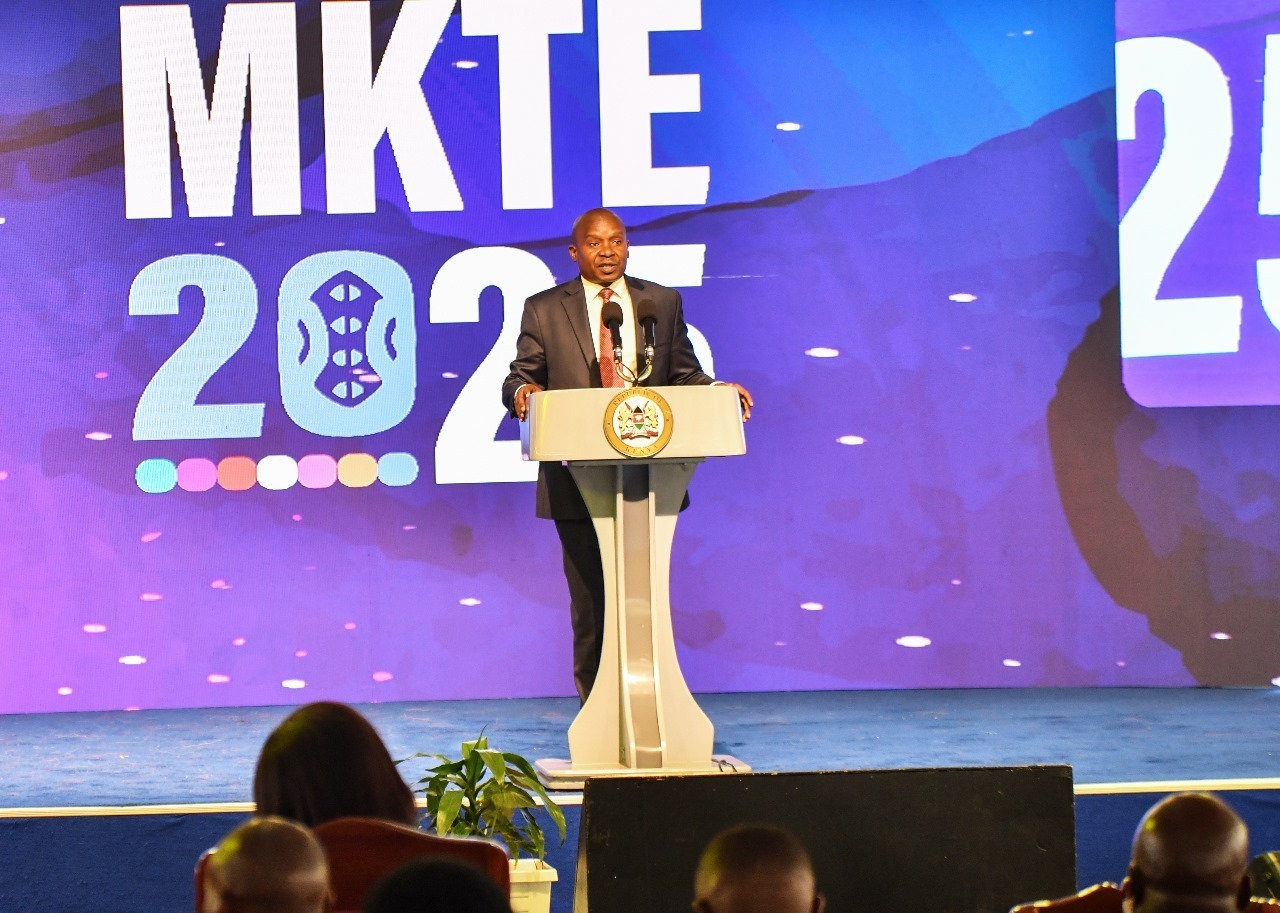
Kenya is taking a leading role in rallying African countries to embrace sustainable and resilient tourism. Speaking at the 15th edition of the Magical Kenya Travel Expo in Nairobi, Deputy President Kithure Kindiki emphasized the need for the continent to diversify its tourism products and build resilience against external shocks such as geopolitical uncertainties and global competition. He noted that Africa has become one of the strongest-performing regions in the global tourism recovery of 2025, but stressed that innovation and an enabling policy framework are key to sustaining this momentum.

The expo, which runs for three days and has attracted 6,500 delegates from 40 countries, brings together tourism ministers, city mayors, investors, and industry stakeholders. Kindiki urged African nations to tap into untapped tourism potential, create new tourism products, and leverage existing traditional attractions to spur economic growth. He further highlighted that tourism remains a critical driver of development and requires fresh approaches to remain competitive on the global stage.

Tourism Cabinet Secretary Rebecca Miano highlighted that one of the biggest highlights of this year’s expo is its integration with the Africa Tourism Investment Forum. The forum creates a strategic platform for investors, policymakers, and vetted entrepreneurs to collaborate and channel investments into Africa’s tourism sector. She noted that tourism investment goes beyond infrastructure, as Africa’s cultural assets—ranging from film and music to festivals—are key drivers that can shape the continent’s global tourism identity while creating employment opportunities for local youth.

Kenya’s leadership in championing innovative tourism is also evident in its efforts to strengthen investment linkages across Africa. By hosting the expo, Kenya has provided a vital platform where buyers and sellers in the tourism industry can connect and explore partnerships. This approach underscores the importance of turning Africa’s growing tourism appeal into sustainable economic opportunities through inclusive and strategic investment.

Francis Gichaba, chairman of the Kenya Tourism Board, emphasized that while Africa accounts for nearly 10 percent of global tourist arrivals, it attracts less than 4 percent of global tourism investment. This investment gap highlights the urgency of creating opportunities that will not only unlock growth but also strengthen resilience in Africa’s tourism industry. By creating such platforms, Africa is positioning itself to redefine global tourism and secure its place as a competitive, resilient, and sustainable destination.

ARC Ride secures $10M to boost electric mobility in Kenya

0

ARC Ride has secured $10 million in senior secured debt financing from Mirova, an affiliate of Natixis Investment Managers, to accelerate its expansion of electric mobility solutions in Kenya. The funding will enable the deployment of over 600 battery-swapping cabinets and 25,000 batteries, reinforcing ARC Ride’s commitment to scaling sustainable transport infrastructure across Africa. This new capital follows a $5 million investment from British International Investment (BII), highlighting growing global support for clean and affordable mobility solutions in emerging markets.

The company’s CEO, Joseph Hurst-Croft, emphasized that the partnership with Mirova represents a significant milestone in ARC Ride’s mission to make electric mobility both accessible and sustainable. Beyond scaling operations in Kenya, this investment lays the foundation for a cleaner transport future across wider regions of Africa. The initiative reflects a broader industry shift, as Africa responds to rising fuel prices, rapid urbanization, and consumer demand for environmentally friendly alternatives.

The African EV market is poised for strong growth, with forecasts projecting a compounded annual growth rate (CAGR) of over 10.6% between 2025 and 2029. This momentum is being driven by falling technology costs, supportive government incentives, and increasing awareness of the environmental and economic benefits of electric vehicles. ARC Ride’s expansion strategy taps directly into this transformative market, positioning the company as a leader in the continent’s urban mobility revolution.

Equally important, ARC Ride’s business model delivers aligned impact goals. Each electric motorcycle deployed is expected to reduce 2 tonnes of CO₂ emissions annually, contributing to climate action by replacing internal combustion engine (ICE) vehicles. Additionally, the model supports low-income motorcycle riders—often gig workers—by reducing fuel and maintenance costs, thereby improving livelihoods and fostering inclusive economic growth. This alignment with SDG 13 (Climate Action) and SDG 8 (Decent Work and Economic Growth) underscores the dual environmental and social impact of ARC Ride’s mission.

Mirova’s Deputy Head of Emerging Market Energy Transition, Rim Azirar, highlighted that the investment reflects Mirova’s commitment to backing innovative climate solutions with scalable impact in emerging markets. By combining clean technology with inclusive opportunities for riders, ARC Ride is redefining urban mobility in Africa. With strong partnerships and proven execution, the company is well-positioned to expand its footprint and drive a new era of sustainable transport across the continent.

Mawingu Secures $20M to Expand Kenya’s Rural Connectivity

0

Mawingu Networks Ltd., a Kenyan internet service provider committed to underserved communities, has successfully raised $20 million in Series C funding to scale its affordable broadband services across rural areas. The round was led entirely by Johannesburg-based Pembani Remgro Infrastructure Managers, underscoring investor confidence in Mawingu’s mission to deliver connectivity where it is needed most. Currently serving over 120,000 Kenyans, the company now sets its sights on connecting one million East Africans by 2028.

The investment is not just a financing milestone but a validation of Mawingu’s model and impact-driven mission. CEO Farouk Ramji emphasized that raising capital in today’s environment requires resilience and execution, reflecting the strength of the company’s people and approach. With connectivity increasingly becoming a cornerstone of opportunity and development, this funding positions Mawingu as a key enabler of digital inclusion.

Mawingu has already begun its regional expansion, having entered Tanzania in 2024 through the acquisition of Habari, a long-standing internet service provider. Backed by $15 million in debt-and-equity financing from Africa Go Green Fund, InfraCo Africa, and Dutch development bank FMO, Mawingu is pursuing a buy-and-build strategy to scale across East Africa. By targeting local ISPs, the company accelerates growth while leveraging existing infrastructure and customer bases to close connectivity gaps.

At its core, Mawingu is focused on bridging the digital divide in rural and peri-urban areas. By deploying solar-powered wireless technology and community-based distribution, the company is able to offer affordable services in regions where traditional telecom operators face challenges. This innovative approach has attracted backing from impact-driven investors including E3 Capital, FMO Investment Management, InfraCo Africa, and Microsoft.

With the latest Series C funding, Mawingu will first strengthen its presence in Kenya before expanding further into East Africa. Its mission to democratize internet access aligns with broader efforts to ensure that underserved populations are not left behind in the digital economy. As demand for connectivity grows, Mawingu is positioning itself as a regional leader in delivering affordable, sustainable, and transformative broadband solutions.

Chuka University’s John Tingoi Reaches IQC 2025 Finals

0

Chuka University proudly celebrates the outstanding achievement of John Tingoi, a final-year student in the Faculty of Science and Technology, who has emerged victorious in the Kenya National Finals of the International Quant Championship (IQC) 2025. This remarkable accomplishment has earned him a place among the top 12 global finalists, highlighting his exceptional skills and dedication in the field of quantitative analysis. Tingoi’s performance is a testament to the university’s commitment to nurturing talent in science, technology, and innovation.

Tingoi distinguished himself by outperforming more than 9,000 participants in Kenya and nearly 80,000 competitors worldwide. His success in securing a slot in the global finals underscores not only his personal expertise but also the quality of education and training offered at Chuka University. This achievement positions him as a leading figure in the global quantitative community and shines a spotlight on Kenya’s growing presence in international competitions.

As a representative of both Kenya and Chuka University, Tingoi will compete in the IQC Global Finals scheduled for September 29–30, 2025, in Singapore. The championship brings together some of the brightest university students worldwide, challenging them to develop predictive models, known as “alphas,” using historical financial data. Participants are evaluated on the originality, quality, risk diversification, and logical structure of their submissions, making the competition a true test of analytical excellence.

Beyond his academic performance, Tingoi is pursuing a degree in Applied Computer Science and works remotely as a WorldQuant Researcher, designing algorithmic models for financial markets. His interests span data science, quantitative analysis, and blockchain technology, with his final-year project focusing on a blockchain-based healthcare records management system. This combination of academic rigor and practical experience positions him as a well-rounded professional ready to contribute meaningfully to the global technology and finance sectors.

The International Quant Championship, organized by WorldQuant BRAIN, is a prestigious platform that identifies exceptional quantitative talent across the globe. With three stages—national qualifiers, regional rounds, and global finals—the competition challenges students to demonstrate their technical prowess, creativity, and strategic thinking. Tingoi’s success at the national level is a clear indicator of his capability to excel on the international stage.

The championship’s prize pool totals approximately Ksh.13.2 million, with the winning team set to receive around Ksh.2.6 million. Top performers may also be considered for internships, consulting, or full-time roles at WorldQuant, opening doors to further professional opportunities. Tingoi’s accomplishment not only brings pride to Chuka University but also underscores Kenya’s potential to nurture world-class talent in the fields of science, technology, and finance.

Kenya Set to Reduce Mobile Money Transaction Fees

0

The Central Bank of Kenya (CBK) has unveiled bold plans to slash mobile money transaction fees in a bid to reignite financial inclusion and unlock broader participation in the digital economy. Through the draft National Financial Inclusion Strategy 2025 – 2028, CBK aims to reduce average transaction costs from KSh 23 in 2024 to just KSh 10 by 2028. This move comes as high costs continue to lock out lower-income households from fully embracing mobile money platforms such as M-PESA and Airtel Money, despite Kenya’s reputation as a global leader in digital payments.

While mobile money transactions hit an estimated KSh 8.7 trillion in 2024, the growth in new users has stagnated, with penetration plateauing at 82.3% of adults. The majority of users continue to rely on basic peer-to-peer transfers rather than leveraging savings, insurance, or investment opportunities. CBK’s intervention is designed to revitalize this sector, ensuring digital payments can once again become a driver of economic empowerment, particularly for marginalized communities.

The financial inclusion strategy also sets out broader goals beyond transaction costs. By 2028, CBK targets to increase active bank account usage from 45.6% to 60%, boost formal savings adoption from 68% to 75%, and raise investment uptake from a modest 4% to 15%. These ambitious targets underscore the regulator’s commitment to ensuring financial services go beyond transactions, enabling households and businesses to build resilience, accumulate wealth, and participate more fully in the economy.

In addition to fee reductions, CBK plans to foster interoperability and innovation. The rollout of a fast payment system, the development of open API standards for financial institutions, and the digitization of savings tools will make financial services more seamless and accessible. Financial literacy initiatives are also central to the plan, equipping citizens with the knowledge and confidence to utilize long-term products such as pensions, insurance, and capital markets instruments.

The strategy acknowledges the delicate balance between commercial imperatives and public interest. Mobile money has become a significant revenue stream for telcos, with M-PESA contributing nearly half of Safaricom’s service earnings in 2024. However, CBK emphasizes that pricing structures must reflect the essential role of digital payments as both a profit center and a public utility, serving the needs of citizens across the socioeconomic spectrum.

To drive these reforms, a 14-member National Financial Inclusion Council will oversee the rollout. Chaired by the Treasury’s principal secretary and with CBK serving as its secretariat, the council brings together key regulators including the CMA, IRA, and SASRA. Meeting twice a year, the council will review progress, mobilize resources, and ensure industry alignment with the overarching goal of deepening financial inclusion. Public input is also encouraged, with CBK inviting comments on the draft strategy ahead of the October 9th deadline.