back to top
Home Blog Page 14

Sanlam Kenya Unveils Mobile Solution to Boost Retirement Savings

0

Sanlam Kenya has introduced Sanlam Akiba Plus, a groundbreaking digital pension solution that allows Kenyans to save for retirement directly from their mobile phones. The mobile-first platform is designed to make retirement planning simple, accessible, and convenient for individuals, small business owners, and employers. Users can now open pension accounts, make contributions, and manage their savings seamlessly through their phones — a move set to redefine how Kenyans approach long-term financial security.

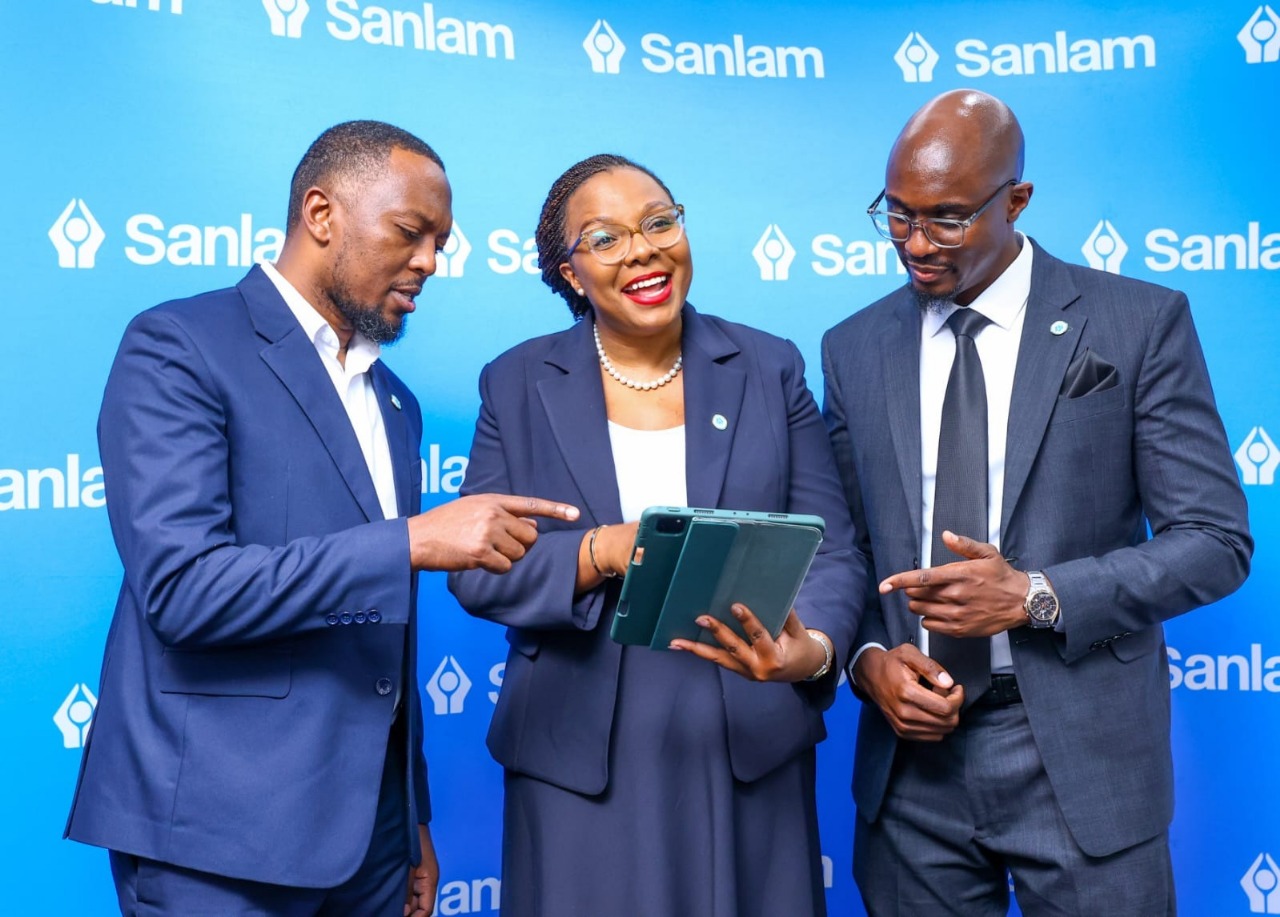
According to Sanlam Life CEO Jacqueline Karasha, Akiba Plus represents a major step toward closing Kenya’s widening pension gap through technology. She emphasized that the product is built to empower Kenyans to save consistently and plan for a financially secure retirement. “Our goal with Akiba Plus is to close the pension gap in Kenya by offering a simple, credible, and future-ready solution that works for everyone,” said Karasha, adding that this innovation is about ending old-age poverty through consistent saving and financial discipline.

Sanlam Akiba Plus offers four flexible pension options tailored to different needs: the Personal Pension Plan (IPP) for individual savers, the Post-Retirement Medical Fund (PRMF) for healthcare planning after retirement, the Employer Umbrella Plan (UPP) for companies providing employee benefits, and the NSSF Tier II Compliant Plan, which allows employers to channel mandatory contributions into Akiba Plus for enhanced returns and flexibility. All contributions are guaranteed against capital loss and earn a minimum annual return of 5 percent, aligning with the Retirement Benefits Act.

Sanlam Group CEO Dr. Patrick Tumbo highlighted that this innovation aligns with the company’s broader digital transformation agenda. He noted that Sanlam is heavily investing in technology to make financial products more transparent, convenient, and impactful for users. “Clients can now easily grow their savings and plan for their future with confidence,” Dr. Tumbo stated. The move comes at a time when Kenya’s life insurance and pension sector is experiencing steady growth, with life insurance premiums reaching Sh110.39 billion in the second quarter of 2025, driven by innovation and regulatory reforms.

Through Akiba Plus, Sanlam Kenya is advancing its mission of driving financial inclusion and retirement preparedness among Kenyans. The product empowers individuals to take control of their financial futures, ensuring that retirement saving is no longer complex or limited to a few. By merging technology with financial expertise, Sanlam is setting a new benchmark for innovation in Kenya’s insurance and pension landscape — helping build a future where every Kenyan can retire with dignity and financial confidence.


Kenya Unveils New Strategy to Enhance Financial Health

0

Kenya has unveiled its first-ever National Financial Inclusion Strategy (NFIS) 2025–2028, a comprehensive roadmap designed to strengthen the country’s financial ecosystem and shift the national focus from mere access to financial health. The strategy aims to double the proportion of financially healthy adults to nearly 40% by 2028, marking a critical step toward improving the well-being and resilience of citizens. This move comes amid findings that, while 84.8% of adults now have access to financial services, only 18.3% are financially healthy—down from 39.4% in 2016.

The NFIS, jointly spearheaded by the Central Bank of Kenya (CBK) and the National Treasury, lays out ambitious yet practical targets across key financial dimensions. It seeks to raise insurance uptake from 15% to 50% and increase formal savings from 68% to 75%, ensuring that financial inclusion translates into real economic security. To reduce household debt stress, the strategy will introduce stronger creditworthiness checks and alternative scoring systems, targeting a 30% reduction in over-indebtedness. In agriculture, a sector vital to Kenya’s economy, NFIS aims to boost farmers’ access to formal credit from 43% to 60%, supported by crop insurance and digital value-chain financing.

A major highlight of the NFIS is its emphasis on inclusivity and sustainability. Green finance is set to play a central role, with Kenya committing to fully implement the Kenya Green Finance Taxonomy and expand ESG-compliant products and carbon trading frameworks. Persistent disparities—especially among women, youth, and rural populations—will also be tackled head-on. To address these, the NFIS proposes mobile ID registration units in rural areas, the scaling of women-friendly and disability-adapted financial products, and the rollout of financial literacy programs in schools to prepare the next generation for financial independence.

For the first time, Kenya will have a unified national framework to coordinate efforts across regulators, financial institutions, fintechs, and development partners. The establishment of a National Financial Inclusion Committee and a Technical Coordination Council will ensure cohesive execution and data-driven monitoring. This coordinated approach addresses a long-standing fragmentation in Kenya’s financial sector, where multiple stakeholders operated in isolation despite shared objectives of enhancing inclusion and resilience.

According to Treasury Cabinet Secretary John Mbadi, the NFIS represents “a call to action to create a vibrant, efficient, and inclusive financial system that benefits all Kenyans.” If implemented effectively, it could mark a turning point in Kenya’s journey—moving beyond digital access to true financial empowerment, resilience, and prosperity. This strategy not only strengthens the foundations of financial inclusion but also ensures that every Kenyan can participate meaningfully in the country’s economic growth.

Andreas von Paleske Appointed as new CEO of Naivas

0

Naivas Supermarkets, Kenya’s largest retail chain, has announced a major leadership transition with Andreas von Paleske appointed as the new Chief Executive Officer, succeeding founding CEO David Kimani. This marks the end of an era for Kimani, who has led the company for 35 years since its humble beginnings in Nakuru. His leadership transformed Naivas from a small family-run store into the country’s dominant retail brand and a cornerstone of Kenya’s modern retail landscape.

Von Paleske’s appointment represents a historic milestone for Naivas as he becomes the first non-family executive to lead the company. Having joined Naivas in 2017 as Chief Strategy Officer, he has been instrumental in driving the retailer’s strategic growth and expansion across Kenya. His work has focused on streamlining operations, improving efficiency, and managing investor relations through various rounds of capital raising. His leadership will now guide the company into its next phase of institutional growth and long-term stability.

The company emphasized that the appointment aligns with a well-structured succession plan aimed at maintaining Naivas’ strong culture while positioning it for continued success. Under von Paleske’s strategic direction, the retailer is expected to deepen its operational resilience, strengthen partnerships, and enhance customer experience, ensuring it remains Kenya’s preferred supermarket chain in an increasingly competitive retail market.

Von Paleske brings with him extensive experience in private equity and consumer investments, having held senior positions at Actis and Lion Capital. He also co-founded Africa Platform Capital LLP, an investment advisory firm focused on consumer and healthcare sectors across Sub-Saharan Africa. With an MBA from Harvard Business School and a BSc in Economics from the London School of Economics, his background reflects a blend of strategic insight and global perspective, which will be vital in steering Naivas through its next growth phase.

While stepping down as CEO, David Kimani will continue to serve as a board adviser, ensuring a smooth transition and continuity of the company’s values and vision. The Mukuha family retains majority ownership and board control, preserving Naivas’ strong local identity even as it embraces global corporate structures. This leadership transition not only signifies a new chapter for Naivas but also reinforces its commitment to sustainable growth, innovation, and excellence in Kenya’s retail industry.

Google Launches Major AI Expansion in Kenya

0

Google has launched a groundbreaking initiative aimed at empowering university students in Kenya through free access to its premium artificial intelligence tools. The offer, which runs for one year, is part of a larger education-focused program spanning six African countries. It underscores Google’s ongoing commitment to building Africa’s digital skills and preparing the continent’s youth for a rapidly advancing AI-driven world.

Eligible Kenyan university students will gain access to Gemini 2.5 Pro, Google’s most advanced AI model, designed to enhance academic research, writing, and creative work. Alongside Gemini, the student package includes 2 terabytes of cloud storage shared across Google Drive, Gmail, and Photos, ensuring students can store and manage large volumes of data seamlessly. This combination of advanced AI capability and generous storage aims to foster an environment of innovation, productivity, and learning efficiency.

Students will also benefit from powerful tools such as Deep Research and NotebookLM. Deep Research can generate comprehensive, cited reports from hundreds of web sources within minutes, while NotebookLM helps students organize notes and connect ideas intuitively. Additionally, Google is including Veo 3, an AI-powered tool that transforms text prompts or images into short, high-quality videos — a game-changer for presentations, academic projects, and creative storytelling.

According to Alex Okosi, Managing Director for Google in Sub-Saharan Africa, this initiative is about democratizing access to technology and giving African students the opportunity to compete and lead on a global stage. “By providing students with access to our most advanced AI tools, we want to empower them to not only excel in their studies but also to become critical builders and shapers of the future,” Okosi stated. The program reflects Google’s broader vision to bridge the technological gap and nurture a generation of digital leaders across the continent.

The offer is available to students aged 18 and above enrolled in accredited Kenyan universities, who can verify their status through Google’s student portal before the redemption deadline of December 9, 2025. In addition to Kenya, the initiative extends to Ghana, Nigeria, Rwanda, South Africa, and Zimbabwe, marking a major milestone in Google’s mission to expand access to advanced AI resources and strengthen Africa’s digital talent pipeline.

Kenya Power Adopts AI Chatbot ‘Nuru’ for Customer Service

0

Kenya Power has taken a major step toward digital transformation and enhanced customer experience with the introduction of its Artificial Intelligence (AI) chatbot, ‘Nuru’. The new solution, now integrated across its digital platforms, is designed to accelerate customer response times, streamline communication, and offer real-time assistance for complaints and service inquiries. The move underscores Kenya Power’s ongoing commitment to harnessing innovation to better serve millions of customers nationwide.

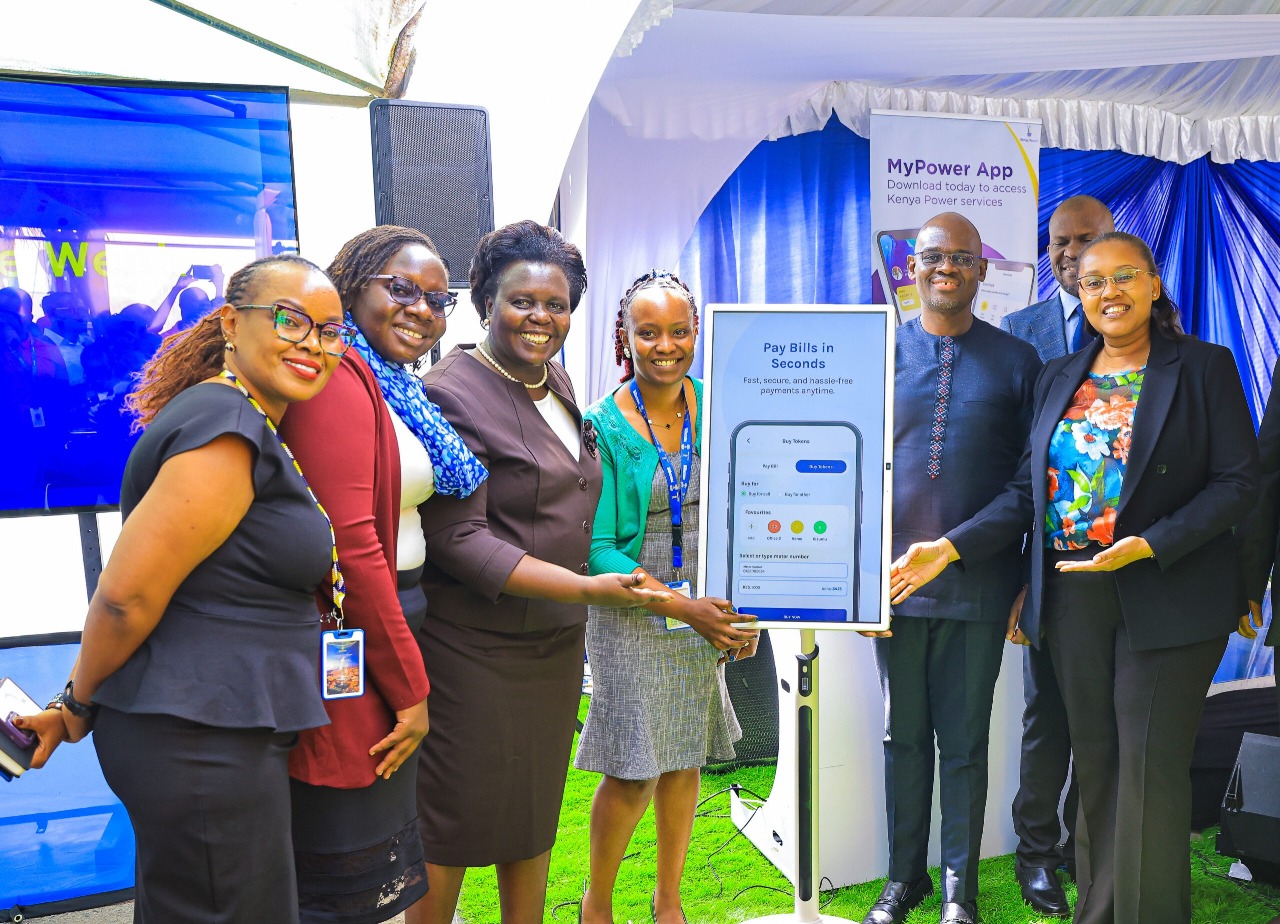
Alongside the launch of ‘Nuru’, Kenya Power has unveiled an upgraded version of its MyPower App. The new version includes enhanced features such as the ability for landlords to manage multiple accounts, monitor monthly token usage, and directly engage with customer service through WhatsApp chat support. These improvements reflect the company’s push to simplify energy management and make digital interaction more seamless for users.

Through the MyPower App, customers can now perform key functions such as purchasing tokens, paying electricity bills, self-reading postpaid meters, lodging billing complaints, and receiving timely updates on scheduled power interruptions. This holistic approach aims to reduce dependency on in-person service centres while promoting convenience, transparency, and empowerment for users across the country.

Kenya Power General Manager for Commercial Services and Sales, Eng. Rosemary Oduor, emphasized that the company’s customer-first approach remains at the centre of every decision and investment. She noted that Kenya Power’s goal is to make customers’ lives easier, more predictable, and more enjoyable through consistent innovation and service efficiency. The company’s recent report shows a surge in digital engagement, with interactions on the MyPower App increasing by 22.1% to 2.02 million, and USSD requests growing by 13.6% to 1.84 million in the 2024/2025 financial year.

Kenya Power Board Director Ruth Muiruri highlighted that customer experience remains a central pillar of the utility’s operations, reaffirming that the company is listening closely to feedback and continuously developing solutions that align with customer needs. With the integration of AI and digital platforms like ‘Nuru’, Kenya Power is setting a new benchmark for customer-centric innovation in Kenya’s utility sector, paving the way for smarter, faster, and more responsive service delivery.

NCBA Unveils Cyber Insurance Amid Rising Kenyan Cyberattacks

0

The 2025 NCBA Cybersecurity Conference arrived at a defining moment, as Kenya battles an unprecedented surge in cyber threats, with over 4.5 billion attacks detected in just three months. Hosted under the theme “Cybersecurity: A Global and Urgent Priority,” the event convened thought leaders, regulators, and industry experts in Nairobi to address the rising risks and the critical importance of resilience in safeguarding Kenya’s digital economy.

NCBA Insurance Group Managing Director and CEO Stella Njunge underscored the urgency of the issue, noting that cyber threats are no longer distant possibilities but immediate realities affecting businesses across all sectors. From banking and manufacturing to agriculture and retail, Kenyan enterprises are increasingly vulnerable to digital disruptions. The conference provided a platform for sharing actionable insights and solutions to strengthen cyber resilience across industries.

In line with its commitment to protection and preparedness, NCBA Insurance Group announced the launch of CyberGuard — a first-of-its-kind cyber insurance product in Kenya. Tailored for businesses in manufacturing, agriculture, hospitality, retail, and logistics, CyberGuard offers comprehensive coverage including a 72-hour first response, forensic investigation, crisis communication, liability protection, and business continuity planning. This innovation positions NCBA-IG as the only licensed cyber insurance underwriter in Kenya, filling a critical gap in the market.

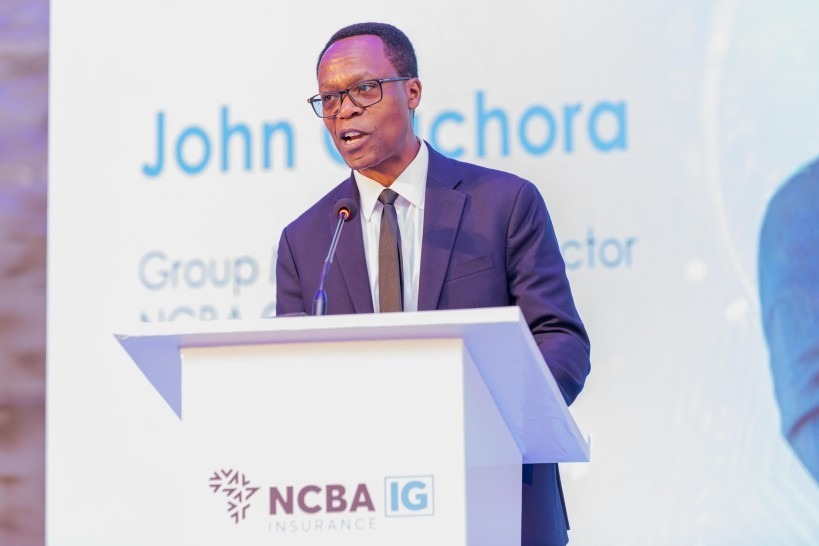
Speaking at the event, NCBA Group Managing Director John Gachora described cybersecurity as a “leadership imperative,” emphasizing that cyber resilience is not just about avoiding risk but enabling trust and business continuity. AIG Senior Cyber Underwriter Phil Andrews and IRA Assistant Manager for Enforcement Brian Ombui echoed this sentiment, highlighting the importance of rapid response and robust frameworks to mitigate the impact of cyber incidents. Kenya College of Insurance CEO Dr. Ben Kajwang hailed the conference as “defining,” setting the stage for a nationwide shift toward embedding cyber resilience in enterprise operations.

As cyber threats grow in complexity, NCBA’s leadership in cybersecurity marks a major step toward protecting Kenya’s digital infrastructure and reinforcing confidence in the country’s evolving digital economy. The company’s investment of over KSh 542 million in system upgrades and data protection underscores its ongoing commitment to ensuring safety, trust, and business continuity in an increasingly connected world.

Airtel Kenya Waives Data Charges for Education Cloud, Elimika Platforms

0

Airtel Kenya has announced a major step toward advancing digital education access by offering free connectivity to the Kenya Education Cloud and Elimika platforms. The move, launched on World Teachers’ Day, allows teachers and students across the country to access vital learning and training resources without incurring data costs. The initiative is part of Airtel Africa’s $57 million partnership with UNICEF under the “Accessible Learning Content” pillar, which seeks to enhance inclusive, technology-driven education across the continent.

This partnership, implemented in collaboration with the Kenya Institute of Curriculum Development (KICD) and the Ministry of Education, focuses on equipping learners and educators with the tools needed to thrive in a digital era. By zero-rating access to KICD’s Kenya Education Cloud and the Elimika teacher development platform, Airtel is enabling teachers to access digital content and professional training materials aligned with the Competency-Based Curriculum (CBC) at no cost.

In addition to free access, Airtel Africa’s UNICEF collaboration supports 141 public primary schools in Kenya by providing each with 300 GB of monthly data. This effort strengthens classroom integration of digital learning tools through government-issued tablets and ensures that students benefit from reliable connectivity. The Kenya Education Cloud offers an extensive library of educational materials, including video lessons, recorded sessions, and interactive resources for learners from pre-primary to Grade 9, while Elimika focuses on teacher development and pedagogical innovation.

The initiative also addresses Kenya’s persistent digital divide. National data shows that only 10.7% of households own a computer and just 23.8% have stable internet access, with many rural schools lacking computer labs or internet connections. By removing data barriers, Airtel Kenya is empowering more students and teachers to participate in digital learning and narrowing the technological gap between urban and rural regions.

Airtel Kenya’s commitment to digital inclusion reflects a broader effort to promote equitable access to education and strengthen the foundation of a knowledge-based society. By making digital learning tools universally accessible, the company is helping to ensure that every learner—regardless of location—has an equal opportunity to succeed in the digital age.

Kenya, Tony Blair Institute Partner on Digital Degrees

0

Kenya has embarked on a bold plan to digitize academic credentials in a bid to eliminate forgery and restore integrity within the higher education sector. The government aims to replace traditional paper-based degrees with verifiable digital credentials that can be instantly authenticated online. This transformative initiative is being developed by the Ministry of Information, Communications and the Digital Economy in collaboration with the Ministry of Education and the Tony Blair Institute for Global Change.

The system will rely on secure digital wallets and cryptographic verification to issue tamper-proof academic credentials to graduates. The approach promises to streamline verification processes for employers, universities, and regulators, cutting costs and reducing delays in confirming qualifications. By ensuring that degrees are verifiable in real time, Kenya seeks to enhance trust in its education system and improve global recognition of its qualifications.

While the Tony Blair Institute has faced criticism in the United Kingdom for advocating digital ID systems, Kenyan authorities have clarified that their focus lies in academic transparency and digital modernization rather than surveillance. Officials have framed the partnership as a step toward efficiency, accountability, and innovation in higher education—an effort to safeguard institutions against fraud and rebuild public confidence.

The move comes amid growing scrutiny of Kenyan universities by lawmakers, who have raised concerns about rising cases of fake degrees, outdated programs, and poor regulatory oversight. The Commission for University Education (CUE) continues to grapple with financial and staffing challenges while contending with issues of program relevance and strained lecturer-to-student ratios. With the number of enrolled students growing faster than academic staff capacity, the education sector faces mounting pressure to reform.

Through this digital transformation, Kenya is positioning itself as a pioneer in leveraging technology to strengthen higher education governance. The initiative represents not only a step toward curbing academic fraud but also a foundation for modern, competency-based education that aligns learning outcomes with job market needs. It underscores Kenya’s broader vision of a secure, transparent, and future-ready digital economy.

Konza, Riara University Partner to Advance Digital Innovation

0

Konza Technopolis has entered into a transformative partnership with Riara University through the signing of a Memorandum of Understanding (MoU) aimed at strengthening the link between academia, research, and industry. This strategic collaboration represents a major milestone in advancing Kenya’s vision of a knowledge-driven economy, where innovation and education play central roles in driving national development.

The partnership seeks to bridge the gap between theoretical learning and practical application by promoting technology development and digital capacity building. Konza Technopolis and Riara University will collaborate in key emerging technology areas including Artificial Intelligence (AI), Blockchain, the Internet of Things (IoT), and Agritech. This focus aligns with global digital trends while addressing local challenges through technology-driven solutions.

A core component of the MoU is talent development, with a particular emphasis on internship and mentorship programs designed to equip students with future-ready skills. Learners will benefit from hands-on exposure to innovation projects and opportunities to engage with industry experts within the Konza Innovation Ecosystem, ensuring they are well-prepared to meet evolving market demands.

The collaboration will also nurture entrepreneurship and startup incubation by supporting innovators with the tools and guidance needed to accelerate business growth. Additionally, the partnership will explore the deployment of smart campus solutions and digital empowerment programs that integrate technology into education delivery and campus operations, fostering a modern, technology-enabled learning environment.

Through this alliance, Konza Technopolis reaffirms its commitment to driving Kenya’s digital transformation and building a vibrant innovation ecosystem that unites academia and industry. The partnership with Riara University not only strengthens Kenya’s position as Africa’s Silicon Savannah but also underscores the nation’s dedication to nurturing the next generation of innovators, researchers, and technology leaders.

Tesh Mbaabu, Mesongo Sibuti Launch Cloud9 for Young Africans

0

Tesh Mbaabu and Mesongo Sibuti, two of Kenya’s well-recognized entrepreneurs, are venturing into digital banking with the launch of Cloud9, a fintech platform designed to deliver a modern financial experience for young Africans. Positioned as more than just a banking solution, Cloud9 is described by Mbaabu as a “movement” that reimagines finance as a tool for dignity, belonging, and opportunity, directly addressing the needs of Africa’s digitally savvy youth.

Cloud9 is being built as a mobile-first digital bank that integrates payments, savings, credit, and spending, tailored to fit the fast-paced and mobile-driven lifestyles of millennials and Gen Z. These demographics, which form the majority of Africa’s population, remain underserved by traditional lenders that are often rigid, costly, and slow. By offering real-time payments, credit access, and wealth management tools, Cloud9 aims to bridge this gap and unlock financial empowerment for a generation shaping Africa’s digital economy.

The venture, still in its early stages with an open waitlist for signups, is being developed with a team of ex-bankers and entrepreneurs. While investors and launch timelines remain undisclosed, the founders have made it clear that Cloud9 will focus on agility, accessibility, and innovation—qualities they argue are critical to transforming financial services in Africa. Their goal is to build a platform that resonates with the realities of gig workers, freelancers, and cross-border traders who demand seamless, digital-first solutions.

This move comes shortly after the duo stepped down from their leadership roles at Chpter, the social commerce startup they helped grow through key partnerships and fundraising. Their entrepreneurial journey also includes MarketForce, a YC-backed venture that connected retailers to suppliers but faced setbacks in its B2B arm. Drawing lessons from these experiences, Mbaabu and Sibuti are now channeling their energy and expertise into Cloud9, confident in the opportunity to redefine financial access for Africa’s youth.

By positioning Cloud9 at the intersection of technology and finance, the founders are setting the stage for a transformative shift in how African youth interact with money. As financial services evolve, their vision highlights the potential of homegrown fintechs to create solutions that not only meet immediate needs but also foster long-term inclusion and growth across the continent.