
back to top
Home Blog Page 13

M-Pesa Foundation to Establish Sh120M Innovation Hub at Maseno University

0

M-Pesa Foundation has announced plans to construct a Sh120 million Innovation Hub at Maseno University, a transformative project designed to nurture digital learning, innovation, and entrepreneurship among the university’s 27,000 students. The initiative is part of the Foundation’s flagship “Citizens of the Future” programme, which aims to equip young people with the skills, resources, and opportunities necessary to thrive in an increasingly digital economy.

The state-of-the-art facility will comprise two computer laboratories, a specialised ICT lab, two business incubation centres, startup pods, and open collaboration spaces that foster creativity and innovation. It will also house a growth, research, and e-learning centre, as well as lecture and seminar rooms, reception areas, and twelve offices. Once completed, the hub will be fitted with 323 computers, seven projectors, and three printers, offering students hands-on exposure to technology and innovation-driven learning.

Speaking on the development, John Ohaga, Trustee at M-Pesa Foundation, highlighted that the investment reflects the Foundation’s long-term commitment to building the capacity of young innovators and preparing them for future job markets. He noted that the Innovation Hub will significantly enhance learning outcomes, providing students with the environment and tools needed to develop practical solutions to real-world challenges. The facility is envisioned as a catalyst for research, creativity, and entrepreneurship both within Maseno University and beyond.

The project aligns with Safaricom and M-Pesa Foundation’s broader mission to strengthen Technical and Vocational Education and Training (TVET) institutions across the country. At the University of Embu, the Foundation is currently supporting 1,300 students through a nationwide scholarship programme. Additionally, its TVET Programme, launched in 2020, has empowered 700 students with technical skills in plumbing, electrical installation, food and beverage, and welding—fields that continue to play a vital role in Kenya’s industrial growth.

Through complementary initiatives such as the Wezesha Vijana project, the Foundation is extending its impact to youth in Nairobi, Isiolo, and Marsabit by equipping over 300 young people with employability and entrepreneurial skills. Collectively, these initiatives reaffirm M-Pesa Foundation’s unwavering commitment to empowering Kenya’s next generation of innovators and changemakers—ensuring that no learner is left behind in the country’s digital transformation journey.
China’s MojaEV to Establish EV Factory in Athi River

0

Chinese electric vehicle manufacturer MojaEV has announced plans to establish a local EV assembly and manufacturing plant in Athi River, marking a major milestone in Kenya’s fast-growing electric mobility landscape. The project, which is currently in its final stages of approvals and site preparation, is set to begin construction in early 2026. The development underscores Kenya’s strategic position as a regional leader in clean energy adoption and sustainable transportation.

According to Erick Lumallas, Assistant to the CEO at MojaEV, the Athi River facility will play a crucial role in advancing Kenya’s transition to clean mobility while driving industrial growth and local job creation. Once fully operational, the plant is expected to create up to 3,500 direct jobs and thousands more indirectly through supply chains, logistics, and related services. Lumallas emphasized that MojaEV’s goal is to make locally assembled electric vehicles both affordable and accessible to Kenyan drivers, enabling a broader shift toward green and efficient transportation.

The new plant will primarily focus on producing electric taxis, motorcycles, and light commercial vehicles aimed at serving urban transport and delivery markets. In addition to serving Kenya’s domestic demand, the facility will function as a regional distribution hub for several African markets, including Tanzania, Rwanda, Uganda, Mauritius, Ghana, Nigeria, Botswana, and Zambia. This move positions Kenya as a continental hub for e-mobility innovation and regional trade in clean energy technologies.

Kenya’s electric mobility ecosystem has experienced remarkable growth over the past few years. Data from the Energy and Petroleum Regulatory Authority (EPRA) reveals that registered EVs have increased from 3,753 in 2023 to 6,442 by mid-2025. Electricity consumption under the e-mobility tariff has also risen by nearly 300 percent—from 1.26 GWh to 5.04 GWh—signifying the country’s accelerating shift toward sustainable transportation. EPRA attributes this growth to government incentives, including tax breaks, VAT exemptions, and the rapid rollout of more than 300 charging stations nationwide.

With 85 percent of Kenya’s power already generated from renewable sources, the establishment of MojaEV’s Athi River plant will not only bolster the nation’s green economy but also reinforce its commitment to sustainable industrialization. The project represents a convergence of clean energy, innovation, and job creation—further solidifying Kenya’s status as a key player in Africa’s clean mobility revolution.

President Ruto Takes Over as COMESA Chair, Urges Digital Transformation

0

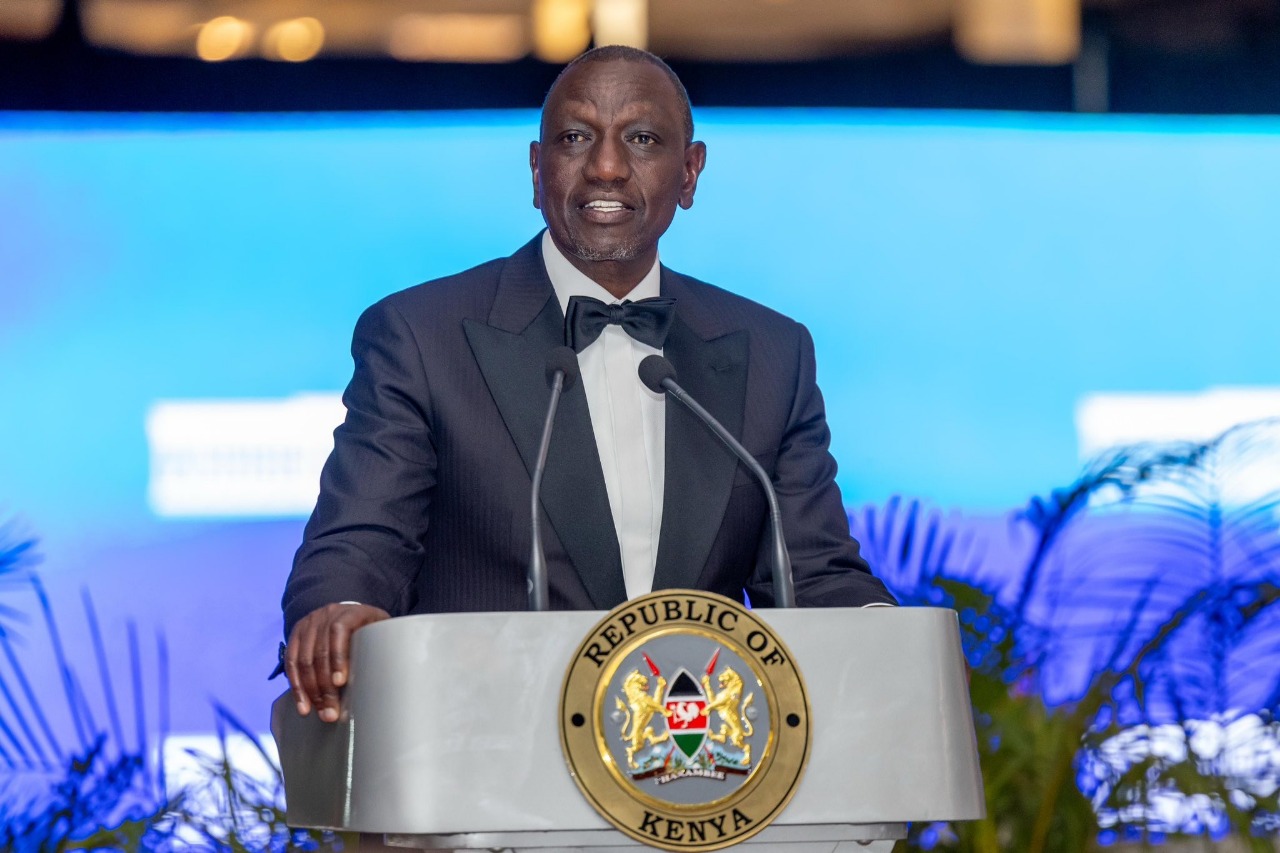
Kenya’s President William Ruto has officially assumed the chairmanship of the Common Market for Eastern and Southern Africa (COMESA), ushering in a new era of leadership centered on digital transformation and technological innovation. Speaking during the 24th COMESA Heads of State and Government Summit held in Nairobi, President Ruto emphasized his vision to shift Africa from being a technology consumer to a global innovation powerhouse capable of shaping its own economic destiny.

In his inaugural address at the Kenyatta International Convention Centre, President Ruto highlighted that Africa’s digital transition must become the driving force of regional growth and inclusivity. He reaffirmed Kenya’s position as a leading innovation hub, pledging that his tenure will focus on accelerating regional digitalisation to unlock Africa’s economic potential through strategic technological investments and policy harmonisation.

Guided by the summit’s theme, “Leveraging Digitalisation to Deepen Regional Value Chains for Sustainable and Inclusive Growth,” Ruto urged member states to harness digital tools to enhance productivity, empower citizens, and integrate economies. His priorities will include digitalising trade facilitation, improving transport corridors, developing regional data centres, and strengthening cloud infrastructure across the continent. He further stated that Africa’s “digital superhighway must reach every village, connect every farmer, empower every entrepreneur, and link landlocked nations to global trade arteries.”

The summit also marked the official launch of the COMESA Digital Retail Payment Platform — a groundbreaking innovation designed to enable instant, affordable, and inclusive cross-border payments across 21 member states. The platform supports transactions in local currencies, reducing dependency on foreign exchange and promoting financial inclusion, particularly for small and medium enterprises, women, and youth. This milestone aligns with Ruto’s broader vision of building a digitally connected and globally competitive Africa.

In his closing remarks, President Ruto called for harmonised digital policies across COMESA states to eliminate fragmentation and foster a more integrated digital economy. He underscored the need for common standards on e-commerce, cross-border payments, data protection, and cybersecurity, describing them as the pillars of Africa’s future trade framework. His leadership marks a significant moment for the region, setting the stage for an Africa that not only participates in the global digital economy but defines it.

Safaricom 5G Coverage Grows 111.7% to 1,700 Sites

0

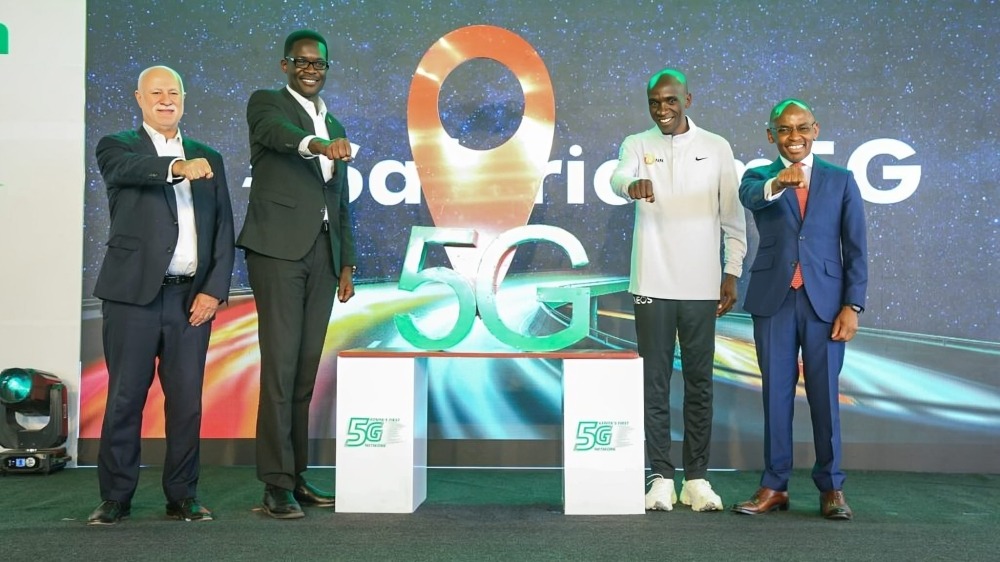
Safaricom has more than doubled its 5G network coverage in the 2025 financial year, reaching 1,700 sites from 803 in the previous year — a 111.7 percent increase. This rapid expansion, highlighted in the company’s 2025 Sustainable Business Report, underscores Safaricom’s commitment to next-generation connectivity and the future-proofing of its network to meet growing digital demands across Kenya.

The surge in 5G-enabled sites is driven by increasing demand from both households and enterprises for ultra-fast internet speeds, supporting streaming, downloads, and business-critical applications. By expanding its 5G footprint, Safaricom is enabling faster, more reliable, and high-capacity digital experiences that are essential for Kenya’s digital economy and the growing adoption of advanced technologies.

Alongside 5G growth, Safaricom continues to strengthen its legacy networks. During the same period, 4G coverage increased from 6,745 to 6,937 sites, while 3G sites rose from 6,823 to 6,970. This expansion has brought near-universal coverage across 2G, 3G, and 4G networks, reaching over 97 percent of Kenya’s population and ensuring seamless connectivity across urban and rural areas.

Currently, Safaricom’s 5G rollout covers 30 percent of the population, supported by the activation of 900 new sites. This strategic rollout not only enhances internet speeds and reliability but also lays the foundation for future-ready digital services, including smart cities, industrial automation, and next-generation enterprise solutions. The expansion demonstrates the company’s continued focus on delivering innovative, technology-driven solutions that meet evolving customer needs.

By investing in advanced network infrastructure and scaling 5G coverage, Safaricom is reinforcing its leadership in Kenya’s telecommunications sector and driving the country’s digital transformation journey. The company’s progress in network modernization reflects its commitment to connecting people, businesses, and communities to faster, more reliable, and future-ready digital services.
Mindware Expands Presence Across East Africa

0

Mindware, a leading value-added distributor in the Middle East and Africa, has significantly expanded its presence in East Africa through strategic partnerships with top technology vendors, including Forcepoint, Citrix, Ubiquity, Everfox, and Eaton. These collaborations aim to provide organisations across the region with access to advanced solutions in cybersecurity, digital workspaces, networking, and power management, reinforcing Mindware’s role as a key enabler of digital transformation.

The company’s expansion forms a critical part of its broader African growth strategy. With a hub in Nairobi and an active presence across Kenya, Uganda, Tanzania, Rwanda, and Ethiopia, Mindware is positioning itself as the region’s trusted distribution partner. Since establishing operations in East Africa just six months ago, the firm has tripled the number of vendors in its portfolio and doubled its active transacting partners, reflecting the rapid demand for modern IT solutions in the market.

To support its partners, Mindware is rolling out comprehensive enablement initiatives, including weekly training sessions, certifications, and financial assistance programs. These efforts are designed to bridge the ICT skills gap, upskill IT resellers and system integrators, and ensure businesses can fully leverage the technologies being introduced. The company is also strengthening its supply chain to guarantee timely and reliable delivery of solutions across the region.

Each partnership targets a specific technology need: Forcepoint delivers cutting-edge cybersecurity solutions, Citrix provides secure digital workspaces and virtualization for hybrid work, Ubiquity enhances network connectivity for enterprises and service providers, Everfox offers specialized cybersecurity for governments and critical infrastructure, and Eaton complements the portfolio with energy-efficient power management solutions. These offerings collectively empower businesses to enhance resilience, operational efficiency, and digital competitiveness.

Spiros Rafailovits, Mindware’s East Africa Territory Manager, emphasized that these strategic alliances are about connecting global innovation with local needs. Through initiatives such as Mindware Connect roadshows, partner enablement programs, and pilot projects in Kenya and Uganda, the company is ensuring strong adoption of advanced technologies and measurable value creation for customers. Mindware continues to accelerate digital transformation, enabling organizations across East Africa to thrive in a secure, connected, and future-ready digital economy.

Safaricom Generates $8.3B Impact, Smartphone Users Reach 27M

0

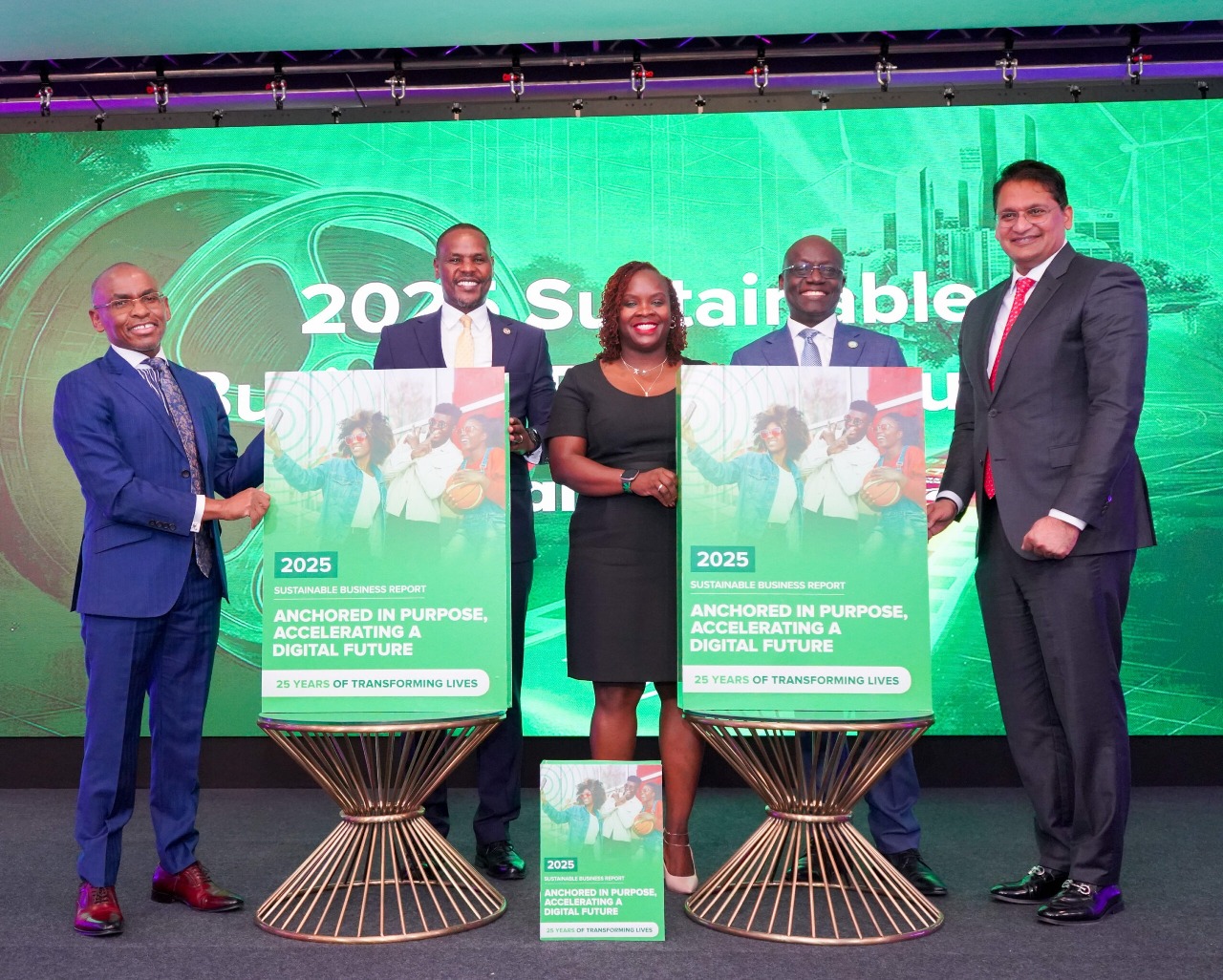
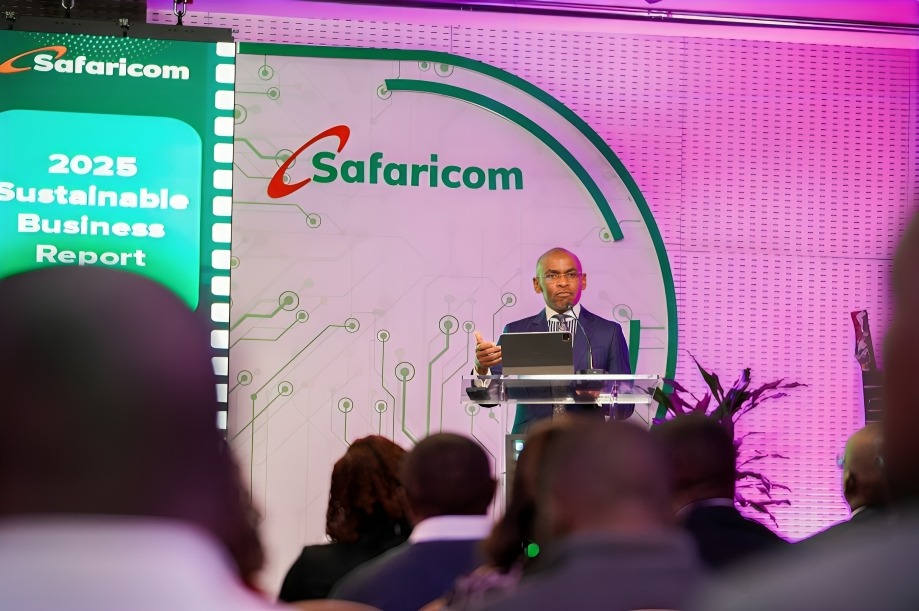
Safaricom PLC has reaffirmed its impact as Kenya’s largest technology company, announcing a total “True Value” contribution of KSh 1.1 trillion ($8.3 billion) to the economy and society in the year ending March. This milestone, highlighted in its 14th Sustainable Business Report themed “Anchored on Purpose, Accelerating a Digital Future,” reflects the company’s growing influence in expanding digital access, financial inclusion, and sustainable development across East Africa. The report revealed that Safaricom’s operations directly added KSh 809 billion to Kenya’s GDP, underscoring its central role in national economic progress.

The company’s digital transformation continues to gain momentum, with smartphone usage on its network rising to 27.37 million, up from 22.93 million the previous year. This represents 50% of its customer base, driven by initiatives such as the Lipa Mdogo Mdogo installment plan that has made smartphones more affordable for millions. As digital penetration deepens, mobile data revenue surged by 15.2%, supported by AI-driven personalization and higher data consumption per user. These gains highlight Safaricom’s evolving role as a purpose-led technology company that blends connectivity, innovation, and inclusion.

M-PESA, the company’s flagship mobile money service, remains a cornerstone of its social and economic impact. Through Digifarm, Safaricom disbursed KSh 945 million in smallholder farm loans, with women accounting for 36% of borrowers. The platform continues to bridge access to credit and empower rural communities, demonstrating how technology can drive inclusive economic growth. Environmental initiatives also featured prominently in the report — Safaricom planted 830,000 trees, restored 694 hectares across eight counties, fenced 15 kilometers of Kakamega Forest, and recycled 99% of its waste, including 190 tons of e-waste. Cumulatively, the company has grown 2.3 million trees toward a 2030 target of 5 million.

Safaricom’s governance and technology initiatives further reflect its commitment to transparency and responsible innovation. The company achieved ISO 27701 certification for privacy management and leveraged artificial intelligence to reduce fraud by 87%. Its anti-money-laundering systems also identified poaching-related transactions that led to 14 arrests, demonstrating how technology can be a force for public good. Through these initiatives, Safaricom continues to build trust and accountability while promoting a safer digital ecosystem.

As Safaricom expands into Ethiopia — a market of 120 million people — it carries forward its purpose-driven mission of transforming lives through technology. With 43 million subscribers in Kenya, the company remains a beacon of innovation, sustainability, and social impact in Africa’s telecommunications sector. Its commitment to balancing profit with purpose sets a powerful precedent for how businesses can create long-term value for people, the planet, and the economy.

Old Mutual Launches Wellness App to Tackle Burnout

0

Old Mutual has introduced a new digital wellness platform, Thrive, designed to address Kenya’s rising burnout and lifestyle health crisis. The initiative comes at a time when stress-related conditions are increasingly impacting both individuals and the economy. According to recent data, workplace burnout costs Kenya over KSh 50 billion annually in lost productivity, while mental health challenges contribute an additional KSh 62.2 billion — nearly 0.6% of the nation’s GDP. Thrive seeks to provide a structured and holistic solution by integrating key dimensions of well-being into one accessible platform.

The platform brings together physical, mental, nutritional, and financial wellness tools under a single digital ecosystem. Through features such as spending trackers, guided breathing exercises, food diaries, and mindfulness journaling, users can take control of their day-to-day health and finances. This integrated approach reflects Old Mutual’s belief that true wellness extends beyond healthcare — it requires balance between mental resilience, financial stability, and healthy living.

Old Mutual Group CEO Arthur Oginga emphasized that Thrive is not just another wellness app but a movement toward redefining how people approach everyday health and resilience. “Our vision is to empower individuals to take small steps that build into lasting change, helping not only themselves but also their families, workplaces, and communities to thrive,” he stated. The app is built to make wellness measurable, meaningful, and achievable for the modern Kenyan workforce.

The launch of Thrive also underscores Old Mutual’s growing role in preventive wellness technology. By addressing mental health, lifestyle diseases, and financial well-being simultaneously, the company aims to combat the underlying causes of burnout and low productivity. This initiative reflects a broader shift within Kenya’s corporate sector — where financial institutions are stepping up to lead conversations about holistic well-being, resilience, and sustainable performance.

Available for download on both Android and iOS, Thrive represents a key milestone in Old Mutual’s digital transformation strategy in East Africa. It signals the company’s long-term commitment to empowering individuals and organizations with innovative tools that enhance health, performance, and financial confidence. In a fast-paced world where stress and imbalance have become the norm, Old Mutual’s Thrive stands out as a timely reminder that wellness is not a luxury — it’s an essential part of sustainable success.

Safaricom’s Sustainability Reporting Reshapes Corporate Ethics in Kenya

0

When Safaricom released its first Sustainable Business Report in 2012, the corporate landscape in Kenya was largely driven by profit margins and market competition. Fourteen years later, that early step has evolved into a comprehensive sustainability framework that defines how a business can grow while measuring its social and environmental impact. The company’s 2025 report, themed “Anchored on Purpose, Accelerating a Digital Future,” highlights a monumental True Value of KSh 1.1 trillion — sixteen times its financial profit — reflecting a redefinition of success beyond financial gain.

Over the years, Safaricom’s sustainability journey has transformed from compliance to conviction. What began as an effort to meet global reporting benchmarks has become a moral and strategic compass that influences every aspect of the business. Through its “True Value” model, the company has learned to quantify both the positive and negative effects of its operations, asking deeper questions about who benefits, who is left behind, and how technology can bridge existing social and economic divides. This shift has led to measurable results — from achieving a 99 percent recycling rate and collecting 190 tons of e-waste, to planting over 830,000 trees and engaging 4,000 community members across eight counties.

The company’s sustainability commitment extends to its people and governance structures. Nearly half of Safaricom’s leadership team comprises women, and more than 3 percent of its workforce are persons with disabilities. Accessibility is now a built-in component of every new product, reflecting a shift from reactive inclusion to proactive design. Safaricom has also aligned its reporting with nine Sustainable Development Goals, adopted international standards like the Global Reporting Initiative, and secured ISO certification for privacy management — a testament to its emphasis on data protection and transparency.

At the heart of this transformation lies the belief that technology can serve as social infrastructure. Through platforms like M-PESA and Digifarm, Safaricom continues to connect people to opportunity and financial empowerment. In the past year alone, Digifarm disbursed KSh 945 million in microloans, one-third of which went to women farmers, while the Spark Fund Accelerator supported nine startups focused on community-driven innovation. As the company expands into Ethiopia, it carries with it not just digital connectivity but a philosophy of responsible and inclusive growth that continues to shape regional corporate ethics.

Safaricom’s evolution in sustainability reporting has inspired a cultural shift across Kenya’s boardrooms, redefining what it means to lead in business. Each annual report has become a public measure of integrity, demonstrating that accountability, not advertising, drives long-term credibility. As the company marks twenty-five years of operation, its focus now turns to deepening impact — ensuring that the trillion-shilling value it creates translates into equitable opportunities for all. Through consistency, humility, and proof, Safaricom continues to set the standard for purpose-driven enterprise in Africa’s digital economy.

Absa Bank Kenya Recognized for Sh2B Green Financing

0

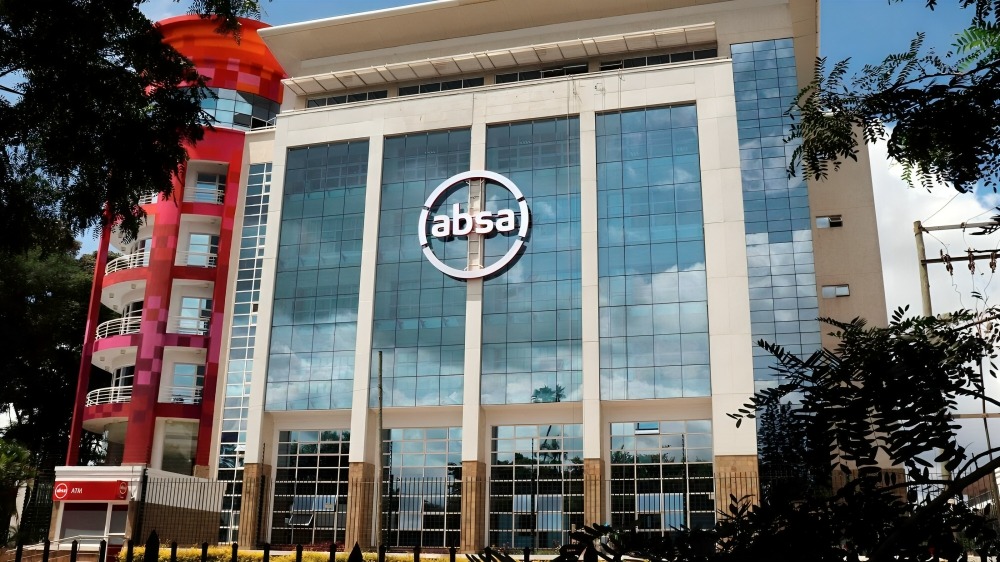
Absa Bank Kenya has been recognized as the Best Bank in Green Financing during the Kenya Green Building Society (KGBS) Annual Conference & Green Expo 2025, a prestigious award that highlights the bank’s leadership in advancing Kenya’s sustainable development agenda. The accolade celebrates Absa’s consistent commitment to financing environmentally responsible projects and its pivotal role in driving the nation’s transition toward a low-carbon, climate-resilient economy.

The recognition underscores Absa’s deliberate investment in green building and energy-efficient housing, positioning it among Kenya’s foremost financial institutions championing sustainability. According to KGBS, the bank’s eco-conscious lending approach has set a benchmark for responsible finance in the country’s financial sector. By embedding sustainability into its business model, Absa has demonstrated that profitability and environmental stewardship can go hand in hand, supporting Kenya’s broader climate goals.

Charles Wokabi, Vice President and Head of Sustainability and Corporate Affairs at Absa Bank Kenya, noted that the award reflects the institution’s long-term strategy to integrate sustainability at the core of its operations. “Green building is a key part of our green financing agenda, and we remain committed to supporting communities, individuals, and businesses in transitioning to more climate-resilient and energy-efficient homes,” he remarked. He further emphasized that the bank has already channelled over Sh2 billion into green building financing, underlining its tangible commitment to sustainable progress.

Among Absa’s most impactful initiatives is the Eco Home Loan, launched earlier this year as Kenya’s first financing solution specifically designed for green housing. The product enables borrowers to access up to 110 percent financing to build or renovate homes that meet recognized green standards. It supports features such as solar installations, inverters, eco-friendly materials, and water recycling systems—helping Kenyans create modern, energy-efficient living spaces while reducing environmental impact.

The KGBS Annual Conference & Green Expo, which brings together leaders from government, business, and civil society, continues to highlight Kenya’s growing influence in climate-smart construction, sustainable tourism, and green infrastructure. By earning this recognition, Absa Bank Kenya has reaffirmed its position as a key player in shaping the country’s sustainable future—not just through advocacy, but through measurable investment and innovation that advance Kenya’s green economy.

Safaricom, Huawei Launch Kenya’s First Video Ringback Service

0

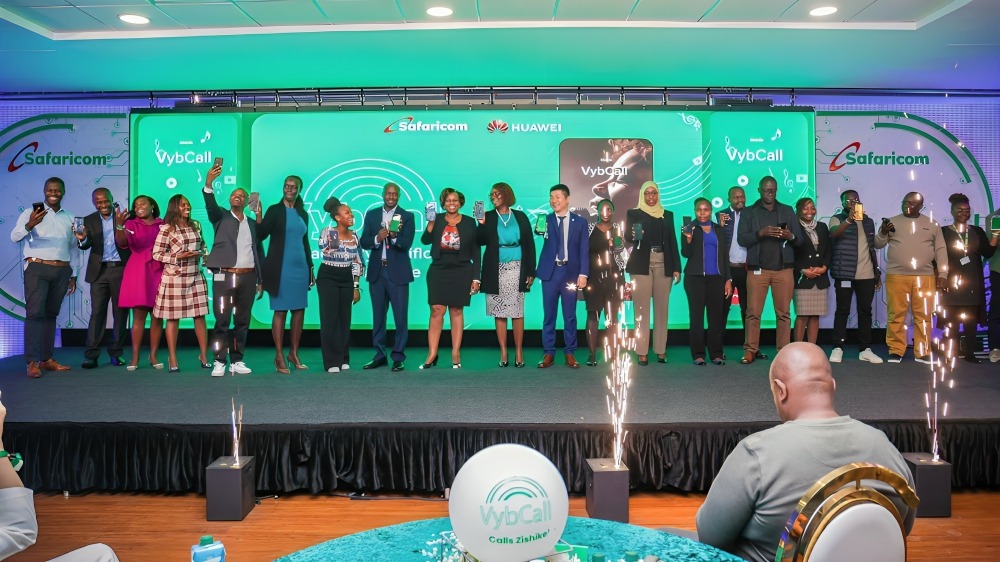
Safaricom, in partnership with Huawei, has unveiled VybCall, Kenya’s first-ever Video Ring Back Tone (VRBT) service — a groundbreaking innovation that transforms the mobile calling experience. This new feature allows users to replace traditional ringtones with short, personalized video clips that play for callers as they wait for their calls to be answered. By launching this service, Kenya becomes the first country in Africa to introduce a video ringback experience, marking a major leap forward in digital creativity and communication technology.

VybCall is an evolution of Safaricom’s long-standing Skiza platform, which has been at the heart of caller entertainment for nearly two decades. The introduction of video content takes personalization to a new level, allowing customers to express themselves visually while enhancing the caller experience. The innovation reflects Safaricom’s commitment to reimagining everyday moments and empowering users through technology that blends creativity with connectivity.

According to Safaricom’s Chief Technology and Information Officer, James Maitai, the initiative underscores the company’s mission to expand customer choice and control in the digital space. “At Safaricom, we are constantly exploring new ways to give our customers choice and control through targeted experiences,” Maitai stated. He added that VybCall is one of the many ways Safaricom is creatively transforming daily interactions while reinforcing its commitment to continuous innovation and customer engagement.

Huawei Kenya’s CEO, Gavin Gao, emphasized that the partnership represents a major boost for Kenya’s creative economy. “VybCall will help the amazing creatives in Kenya, which is just one of the many ways that Huawei works with our partners to develop innovative technologies that improve customer experience and drive economic growth,” Gao remarked. The platform opens new opportunities for local content creators, enabling them to produce short video clips that can be monetized through the service, extending the legacy of Skiza into the visual era.

Currently compatible with Safaricom’s Neon range, select Samsung, OPPO, and Xiaomi Redmi A series handsets — with Vivo devices joining in 2026 — the service can be activated by dialing *860# or visiting vybcall.safaricom.com via the Safaricom App. Beyond entertainment, VybCall also offers businesses a creative edge by turning caller waiting time into a dynamic marketing opportunity. Through this innovation, Safaricom continues to cement its leadership in digital transformation and its role in shaping Kenya’s mobile ecosystem, from pioneering Skiza tones to ushering in Africa’s first video ringback revolution.