

back to top
Home Blog Page 12

Safaricom Business Strengthens Cybersecurity Amid Kenya’s Online Growth

0

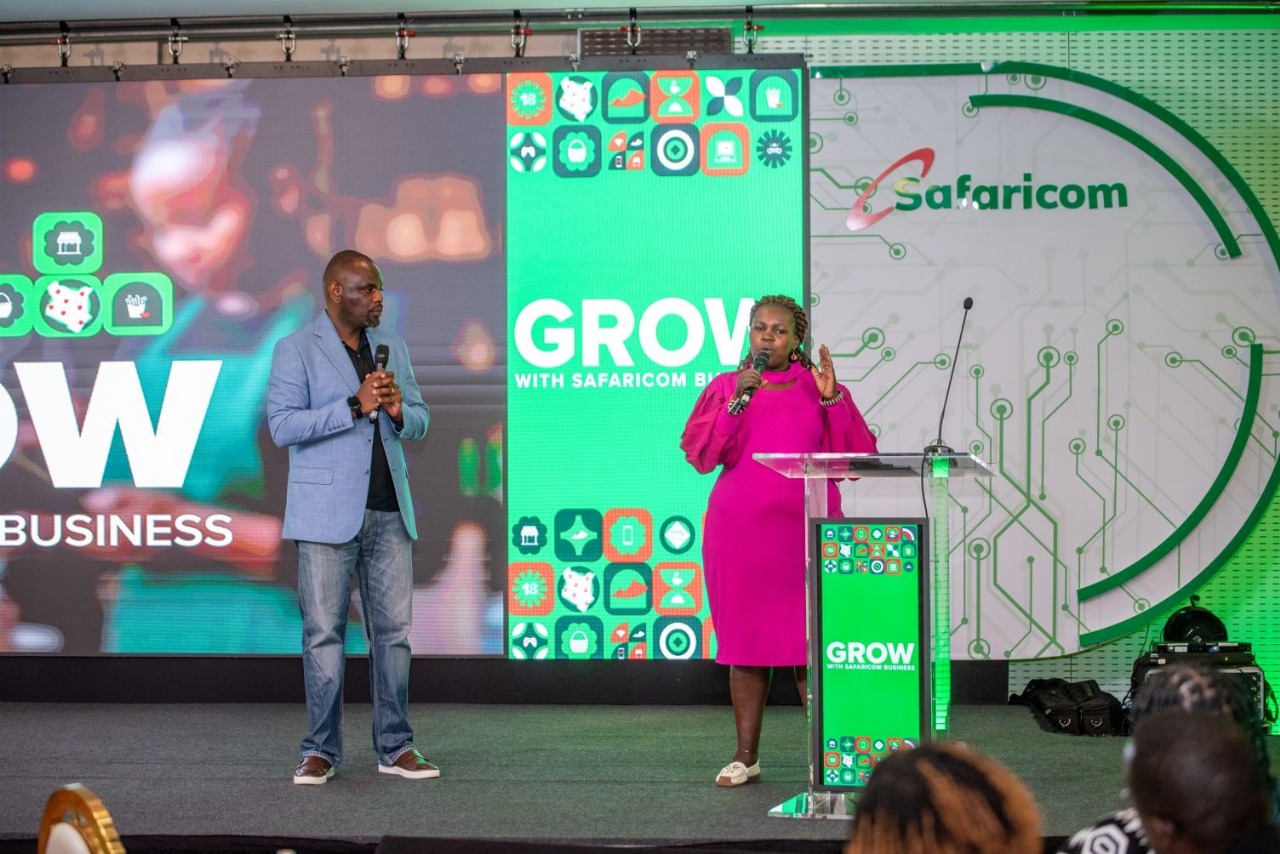
Kenya’s digital economy is accelerating faster than anyone anticipated, and with this growth comes an urgent need for stronger cybersecurity infrastructure. Safaricom Business is taking the lead by embedding cybersecurity directly into its core services, not as an optional add-on, but as a foundational layer for all digital operations. As businesses from SMEs to large enterprises increasingly depend on cloud tools, mobile networks, and online payment systems, Safaricom Business is ensuring that connectivity and protection go hand in hand, enabling seamless operations without fear of disruption.

The cybersecurity approach begins with strategy and awareness. Safaricom Business supports organizations through comprehensive system evaluations, risk assessments, and behavioral audits to identify vulnerabilities before they become threats. For many small and medium enterprises, this is the first time they are receiving proactive support of this kind, transforming cybersecurity from a technical challenge into a practical, daily business function. This preventive model reduces the cost of recovery and builds a culture of resilience across the digital ecosystem.

Safaricom Business offers scalable solutions tailored to the maturity of each organization. Small businesses can start with basic tools such as SSL certificates and secure email systems, while larger enterprises benefit from continuous monitoring through Safaricom’s Security Operations Centre (SOC), which detects threats in real-time and coordinates rapid response. This integrated model allows businesses to grow their digital capabilities without having to switch providers or adopt costly foreign technologies, creating a trusted and unified system within a familiar ecosystem.

What sets Safaricom Business apart is its deep understanding of the Kenyan market. Unlike global one-size-fits-all cybersecurity solutions, Safaricom designs its security architecture around local realities such as budget constraints, limited technical capacity, inconsistent power supply, and region-specific business patterns. From Nairobi to Eldoret and Nakuru, businesses receive guidance that reflects their operational environments, leading to real-world solutions that drive efficiency, speed, and trust.

By safeguarding digital infrastructure, Safaricom Business is not only protecting organizations—it is enabling economic resilience, market expansion, and inclusive digital participation. Secure systems empower businesses to innovate, collaborate, and scale with confidence. The ripple effect extends to entire value chains, elevating customer trust, increasing transaction reliability, and strengthening Kenya’s position in the global digital economy. Cybersecurity is no longer a defensive measure; it is now the engine driving Kenya’s digital future.


Kenya Airways, Qatar Airways Broaden Alliance to 19 Destinations

0

Qatar Airways and Kenya Airways have announced a major expansion of their strategic partnership with the launch of new codeshare flights to 19 global destinations, marking a significant advancement in air connectivity between Africa, the Middle East, and Asia. This development builds on a recently signed partnership agreement, signalling both airlines’ strong intention to enhance access, convenience, and travel options for passengers worldwide. The expanded codeshare will officially take effect from 26 October 2025, with tickets available starting 21 October.

Under this enhanced agreement, passengers flying with Kenya Airways will gain streamlined access to Qatar Airways’ extensive global network via Hamad International Airport in Doha, including key destinations across Asia and the Middle East such as Bahrain, Singapore, Malé, Colombo, and Tokyo. Meanwhile, Qatar Airways passengers will now be able to connect to eight additional African destinations served by Kenya Airways, including Juba, Livingstone, Ndola, and Victoria Falls. This integration creates seamless travel corridors that support both business and leisure tourism while strengthening Kenya’s role as a gateway to Africa.

Senior executives from both airlines emphasized that this collaboration is not only an enhancement of air travel connectivity but also a catalyst for economic growth and global cooperation. With Qatar Airways recently adding a third daily flight to Nairobi due to rising demand, the partnership reflects strong confidence in Africa’s aviation and tourism potential. Kenya Airways is similarly poised to benefit from increased traffic, expanded global access, and the opportunity to offer even more competitive services to passengers.

The agreement also brings added value to loyalty programme members, as Qatar Airways Privilege Club members will now earn Avios on Kenya Airways-operated codeshare routes. In addition to passenger services, both airlines plan to deepen cooperation in areas such as cargo, airport operations, lounges, sustainability initiatives, and fleet maintenance. These efforts underscore a shared commitment to operational excellence and long-term strategic growth.

As leading carriers in their respective regions, Qatar Airways and Kenya Airways are aligning their networks to create a world-class travel experience that supports tourism, trade, and cultural exchange. With future phases of collaboration already planned, the airlines are setting new standards in aviation partnerships while contributing to the connectivity and prosperity of emerging markets worldwide.

Hon. Raila Odinga, Former Prime Minister of Kenya, Passes Away at the Age of 80

0

Former Kenyan Prime Minister Raila Odinga has passed away in Kerala, India, after suffering a cardiac arrest on Wednesday morning. According to officials at the Sreedhareeyam Ayurvedic Eye Hospital and Research Centre in Koothattukulam, where he had been receiving Ayurvedic treatment for the past five days, Odinga collapsed during a morning walk within the hospital premises. He was rushed to a nearby private hospital, where he was pronounced dead at approximately 9:52 a.m. (Indian time).

Hospital authorities confirmed that Raila Odinga was accompanied by his daughter and personal doctor during his stay in Kerala. His body is currently being preserved at the hospital, awaiting further arrangements. Officials have stated that the body will be embalmed, and subsequent steps will be taken in coordination with India’s Ministry of External Affairs and the Kenyan Embassy in New Delhi to facilitate repatriation to Kenya.

Raila Odinga’s visit to the facility held deep personal significance. His connection to the Sreedhareeyam Ayurvedic Eye Hospital dates back to 2017, when his daughter, Rosemary Odinga, lost her vision due to optic nerve damage. After undergoing treatment at the same centre in 2019, she regained her sight—a development that led the former Prime Minister to publicly express his gratitude to the hospital’s physicians and staff for their care and success in her recovery.

The news of his sudden passing has sent shockwaves across Kenya and beyond. As one of the most influential figures in the country’s political history, Raila Odinga’s contributions spanned decades of leadership, reform advocacy, and efforts toward national unity. His passing marks the end of an era for a statesman whose vision and resilience shaped Kenya’s democratic journey and inspired millions across Africa.

Global leaders, political allies, and citizens alike are expected to pay tribute to his legacy in the coming days. His life and leadership remain emblematic of Kenya’s struggle for political inclusivity, justice, and development. The world mourns a leader whose dedication to his country transcended politics and whose influence will continue to shape Kenya’s national narrative for generations to come.

Apple Hardware Head John Ternus Eyed to Succeed Tim Cook as CEO

0

Apple may be preparing for one of its most significant leadership transitions in years, with reports indicating that John Ternus, the company’s Senior Vice President of Hardware Engineering, is the leading contender to succeed Tim Cook as Chief Executive Officer. According to Bloomberg’s Mark Gurman, the succession plan could signal a new era for Apple, blending its deep engineering culture with forward-looking innovation as it navigates changing technology landscapes.

Tim Cook, who turns 65 next month, is expected to step down as CEO but remain involved with the company in a strategic capacity, likely as board chairman. This move would mirror the transitions seen in other tech giants, where founders or long-serving CEOs—such as Jeff Bezos, Larry Ellison, and Bill Gates—remained active in guiding corporate vision. Cook’s continued presence is seen as critical, particularly in steering Apple through the evolving global economy and the geopolitical challenges expected through the decade.

Ternus, aged 50, has been with Apple for over two decades and has overseen major innovations in product design and hardware development, including the introduction of Apple’s custom silicon chips and the recent iPhone 17 Air lineup. Industry analysts note that Apple’s next phase requires a technologist rather than a pure operations or sales executive—someone deeply embedded in product innovation, capable of driving progress in areas where Apple seeks stronger footing such as generative AI, mixed reality, smart homes, and autonomous systems.

The leadership changes extend beyond the CEO role, with several long-serving executives nearing retirement or transition. Chief Operating Officer Jeff Williams has already stepped back from daily operations, while AI chief John Giannandrea and hardware technologies head Johny Srouji are reported to be considering exits. Apple is also rumored to be recruiting high-level AI talent externally, including from competitors like Meta, as it intensifies its artificial intelligence ambitions.

The evolving executive lineup marks a generational shift for Apple, one that could redefine its strategic direction in the post-Cook era. With Ternus positioned as the frontrunner, the company may be signaling a return to its engineering roots—prioritizing product excellence, innovation, and technological leadership to maintain its competitive edge in an increasingly dynamic digital world.

UAE’s Yango Group Invests in Kenyan Fintech Zanifu

0

Kenyan fintech platform Zanifu has secured fresh funding from UAE-based technology company Yango Group, marking a significant milestone in its mission to empower small and medium-sized enterprises (SMEs) across Africa. The undisclosed investment will provide Zanifu with both capital and strategic support, reinforcing its position as one of Kenya’s fastest-growing digital lending innovators.

The partnership is set to accelerate Zanifu’s growth by leveraging Yango Group’s operational expertise across more than 30 global markets. Beyond financial backing, Yango will support Zanifu in scaling its operations, optimizing its business model, and enhancing its long-term sustainability. This collaboration highlights the growing confidence of international investors in Africa’s fintech ecosystem and its potential to drive inclusive economic development.

Zanifu has built a strong reputation by providing embedded lending solutions that enable SMEs to access working capital for purchasing inventory and managing cash flow efficiently. Since its inception, the company has financed over 15,000 small businesses, disbursing tens of millions of dollars in credit to enterprises that often face challenges accessing traditional financing. Its data-driven approach continues to bridge the credit gap in Africa’s informal and semi-formal sectors.

Yango Group, through its venture capital arm Yango Ventures, made the investment as part of a $20 million fund launched earlier this year. The fund targets early-stage startups in Africa, Latin America, and the MENAP region, focusing on fintech, B2B SaaS, and online-to-offline (O2O) services. According to Yango Group CEO Daniil Shuleyko, the partnership aligns with the firm’s mission to support ventures that build practical tools for business growth and sustainable economic impact.

This investment underscores Yango’s growing commitment to nurturing Africa’s startup ecosystem and supporting local innovators solving real economic challenges. For Zanifu, it marks the beginning of an expansion phase that could redefine SME financing in Kenya and beyond, driving digital inclusion and economic resilience through accessible financial technology.

Mi Vida Management Acquires Actis Stake in Buyout

0

Mi Vida Homes has announced a significant milestone with a management-led buyout from Actis, marking its transition to full local ownership for the first time since its establishment in 2018. The move positions Mi Vida as a fully Kenyan-owned real estate platform dedicated to delivering affordable and mid-market housing built to institutional standards. The value of the transaction remains undisclosed, pending regulatory approvals, but the announcement signals a major shift in Kenya’s residential housing landscape.

According to Mi Vida Chief Executive Officer Samuel Kariuki, the buyout underscores Africa’s growing capacity to develop and scale investment-grade housing platforms. He described the deal as the first of its kind in Kenya’s residential development sector and a testament to the continent’s ability to build institutional homebuilders that uphold the highest standards of ESG compliance and financial discipline. He further emphasized that the management consortium is now poised to accelerate Mi Vida’s growth strategy, supported by a robust balance sheet, diversified capital structure, and a strong project pipeline.

Actis Partner Louis Deppe highlighted that the transaction validates Actis’ long-term strategy of incubating, institutionalising, and transitioning successful platforms to local ownership. He noted that Mi Vida’s journey demonstrates the scalability and investability of Africa’s residential sector, driven by strong housing demand and deepening local capital markets. This buyout, he said, reflects a maturing ecosystem where homegrown businesses can attract global confidence while maintaining operational excellence and sustainability.

Ravi Rughani, Principal at Actis, added that the partnership has transformed Mi Vida into a solid, institutional-grade business with sound governance, a strong balance sheet, and a diversified funding base. He described the transaction as a clear indication of the institutionalisation of Africa’s real estate sector and Actis’ broader philosophy of building sustainable, scalable businesses that address local needs while creating long-term value.

The management buyout marks a new chapter for Mi Vida as it strengthens its position at the forefront of Kenya’s affordable and mid-market housing market. With a proven institutional framework, the company aims to continue attracting local investment and delivering sustainable housing solutions to meet Kenya’s growing urban demand. This development reinforces confidence in local capacity to drive large-scale housing projects that align with the country’s economic and social development goals.

President Ruto Launches Konza Phase One, Invites Investors

0

President William Ruto has officially inaugurated Phase One of Konza Technopolis, marking a major milestone in Kenya’s journey toward building a world-class smart city and digital economy hub. The launch included the commissioning of key infrastructure projects such as the Solid Waste Collection Facility — the first of its kind in East and Central Africa — a 120MV gas-insulated power substation, and the Silicon Savannah Intelligent Operations and Experience Centre, which integrates smart technologies across the city’s operations.

As part of the event, the President also laid the foundation stone for the Konza Technopolis Affordable Housing Project, which will deliver 10,000 modern homes equipped with essential amenities. This project complements the ongoing construction of 3,000 housing units, underscoring the government’s broader commitment to creating inclusive and sustainable living environments for Kenyans within the Technopolis.

In his address, President Ruto reaffirmed that Konza Technopolis stands as a key pillar under the Bottom-Up Economic Transformation Agenda (BETA), serving as a catalyst for innovation, digital infrastructure, and job creation. He emphasized that the initiative embodies Kenya’s vision of becoming a globally competitive digital powerhouse, anchored in the Digital Superhighway and Creative Economy pillars.

The launch event brought together leaders from Makueni, Kajiado, and Machakos counties, senior government officials, diplomats, corporate executives, and investors. ICT and Digital Economy Cabinet Secretary William Kabogo and Principal Secretary Eng. John Tanui reiterated the government’s full commitment to positioning Konza as Africa’s model for sustainable, technology-driven urban development. They assured stakeholders that the Technopolis offers the stability, security, and incentives necessary for long-term investment.

With over 80 percent of Phase One investment parcels already allocated, Konza Technopolis has proven its strong commercial appeal. Designated as a Special Economic Zone (SEZ), the city offers attractive incentives such as a 10 percent corporate tax rate for the first decade, VAT zero-rating, and Stamp Duty exemptions. According to Konza Technopolis Development Authority CEO John Paul Okwiri, the ongoing projects reflect Kenya’s readiness to deliver a future defined by innovation, sustainability, and global competitiveness.

Absa Bank Kenya, GirlCode Launch 30-hour Women’s Hackathon

0

Absa Bank Kenya, in partnership with GirlCode, has officially launched a 30-hour Women-in-Tech Hackathon, bringing together 112 talented young women aged between 18 and 35 to develop groundbreaking digital solutions shaping the future of Africa’s financial ecosystem. Themed “Future-Proofing Africa: Innovation at the Intersection of FinTech, Cybersecurity, and AI,” the hackathon is taking place on October 11–12, 2025, at Absa’s headquarters in Westlands. The event is part of a broader pan-African initiative running concurrently across seven cities in five countries—Nairobi, Johannesburg, Cape Town, Durban, Kampala, Gaborone, and Dar es Salaam—with a continental grand prize of USD 5,500 up for grabs.

The competition challenges participants to create AI-enabled, digital-first financial solutions aligned with Kenya’s national innovation priorities, including youth empowerment, digital inclusion, entrepreneurship, sustainability, and economic resilience. Teams are expected to build solutions that enhance access to financial services for young people, use AI to drive personalization and automation, and integrate robust cybersecurity features to ensure data privacy and fraud prevention. The innovation scope spans mobile applications, USSD platforms, chatbots, and web-based systems, reflecting the evolving landscape of financial technology in Africa.

Julius Kamau, Chief Operating and Digital Officer at Absa Bank Kenya, highlighted that the hackathon is part of the bank’s broader vision to promote inclusivity and empower women in the tech industry. “We are pleased to see many young women show interest. This is a great sign of the ambition and the growing talent of women in tech spaces. Through this hackathon, we are not only creating inclusive spaces for women to showcase their prowess but also come up with solutions that will have a greater impact on the financial landscape of Kenya and the continent,” he said during the launch.

GirlCode CEO and Founder, Zandile Mkwanazi, emphasized that the collaboration reflects their mission to close the gender gap in technology and inspire a new generation of female innovators. She noted that the initiative provides an opportunity for young women to participate in real-world challenges that build both technical and entrepreneurial confidence. “At GirlCode, our mission has been to bridge the gender gap in tech and to equip the next generation of women innovators with the tools to shape Africa’s digital landscape,” she stated.

This year’s hackathon has attracted over 450 participants across Africa, a significant increase from 280 in 2024, signaling the growing momentum of women-driven innovation on the continent. The Nairobi judging panel features notable industry leaders including Muthoni Kanyana (CEO, MK-Africa), Lucy Mbuthia (Country Manager, Women in Tech Kenya), Mumbi Kahindo (Chief People Officer, Absa Bank Kenya), and Julius Kamau (Chief Operating and Digital Officer, Absa Bank Kenya). The initiative underscores Absa Bank Kenya’s ongoing commitment to driving gender inclusion, fostering digital talent, and strengthening Africa’s position as a hub of fintech innovation.

Airtel Kenya Launches Interactive 5G Experience Hub at Sarit

0

Airtel Kenya has unveiled its new interactive 5G Experience Hub at Sarit Centre in Nairobi, offering customers a firsthand glimpse into the future of digital connectivity. The hub brings together immersive 5G demonstrations, cutting-edge technology, and personalized customer care in one modern space. It reflects Airtel Kenya’s broader strategy to modernize its retail network and transform how customers experience its products and services across the country.

Designed as an experiential destination rather than a conventional retail store, the Sarit Centre hub allows visitors to explore the full potential of Airtel’s expanding range of digital and enterprise solutions. Customers can test the power of 5G through live demonstrations featuring ultra-fast connectivity, 4K video streaming, and low-latency gaming experiences. The space also highlights Airtel’s suite of enterprise services such as Network as a Service (NaaS), Airtel Money bulk disbursement, and other value-driven digital tools designed to empower both individuals and businesses.

According to Airtel Kenya Managing Director Ashish Malhotra, the initiative is part of the company’s continued efforts to keep customers at the heart of its innovation journey. The newly launched hub, along with the refurbishment of key outlets in Nairobi and Mombasa, underscores Airtel’s commitment to providing interactive, customer-centric spaces that blend technology and engagement. “Our customers are at the center of everything we do,” Malhotra noted during the official opening.

Beyond the advanced technology, Airtel Kenya is also investing in people. The company continues to upskill its customer-facing teams to ensure that every visitor receives expert, personalized guidance and support. The new experience hub embodies this people-first approach—creating a space where technology meets service excellence and customers can meaningfully engage with Airtel’s digital ecosystem.

The launch coincided with Customer Service Week 2025, themed “Mission Possible,” symbolizing Airtel Kenya’s determination to redefine customer experience in the telecommunications sector. The Sarit Centre hub serves as a model for the next generation of retail spaces across Kenya—vibrant, informative, and centered on digital discovery. Through initiatives like this, Airtel Kenya is not only strengthening its customer relationships but also paving the way for a more connected, digitally empowered nation.

Flynas to Begin Direct Riyadh–Nairobi Flights to Boost Travel, Tourism, Trade

0

Saudi Arabia’s leading low-cost carrier, flynas, has officially launched direct flights between Riyadh and Nairobi, marking a new chapter in air connectivity between Kenya and the Kingdom. Operating three times a week starting October 2, 2025, the route significantly reduces travel time from up to 16 hours to just under 4.5 hours. This strategic move is expected to boost trade, tourism, business travel, and religious pilgrimages, offering a faster, more affordable, and convenient travel option for both countries.

According to Waleed Alahmed, flynas Director of Corporate Communications, Nairobi stands as the beating heart of East Africa and the region’s largest economy, making it a key destination for flynas’ expansion strategy. The airline’s entry into the Kenyan market comes at a time when increasing numbers of Kenyans are traveling to Saudi Arabia for work, leisure, and religious purposes, while Saudis continue to show growing interest in exploring East Africa’s tourism and business opportunities.

The new service aligns with Saudi Arabia’s Vision 2030, an ambitious national plan aimed at diversifying the economy and enhancing global connectivity. Vision 2030 seeks to connect the Kingdom to 250 international destinations and attract 150 million tourists annually by the end of the decade. The Riyadh–Nairobi route also complements the Pilgrims Experience Program, which aims to make Hajj and Umrah travel more accessible and efficient for Muslims across the world.

Before the launch, travellers between Riyadh and Nairobi often had to connect through major Gulf hubs such as Dubai or Doha, resulting in long layovers and higher travel costs. The new direct route eliminates this inconvenience, offering point-to-point travel on the state-of-the-art Airbus A320neo aircraft with a capacity of 174 passengers. Flynas, recently awarded a 4-star APEX rating and recognized as the Best Low-Cost Carrier in the Middle East for eight consecutive years, plans to introduce promotional launch fares to encourage early bookings among Kenyan travelers.

The introduction of the Riyadh–Nairobi route is expected to stimulate tourism, enhance business partnerships, and deepen cultural exchange between East Africa and the Arabian Peninsula. For Saudi tourists, Kenya’s diverse wildlife, scenic landscapes, and coastal attractions will become more accessible, while Kenyan business travelers and pilgrims will benefit from faster, cost-effective connections to Saudi Arabia. The new route not only strengthens bilateral relations but also positions flynas as a key enabler of economic and cultural growth across the region.