
back to top
Home Blog Page 11

Tatu City Targets Young Learners Through AI Initiative

0

Tatu City has launched a groundbreaking After-School Artificial Intelligence (AI) Program aimed at empowering young learners with critical digital and coding skills, positioning them to thrive in the rapidly evolving global technology landscape. This initiative is part of Tatu Reach, the city’s community development program, and reflects Tatu City’s commitment to nurturing future-ready talent from an early age. The first cohort of students has successfully graduated after completing a 13-week intensive course focused on front-end web development and AI fundamentals.

The training introduced students to essential digital concepts such as coding, problem-solving, and creative thinking using tools like HTML, CSS, and JavaScript. Twenty learners from Tatu Primary School participated in the pilot phase, gaining practical skills in website development and digital literacy. This hands-on learning approach not only enhanced their technological capabilities but also inspired a mindset of innovation and confidence in using digital tools to solve real-world challenges.

According to Solomon Mahinda, Executive Vice President of Tatu City, the program was designed to prepare the youth for the jobs of the future by equipping them with relevant skills aligned with global digital transformation trends. The initiative received high-level recognition from officials at the Ministry of ICT and the Digital Economy, who commended Tatu City’s role in supporting Kenya’s digital skills agenda and promoting inclusive access to emerging technologies.

The AI program was made possible through strategic collaborations with partners including Qhala, Power Learn Project Africa, Ngeda, Viking Cruises, and CCI Global. These organizations provided technical support, training materials, and computing resources, reinforcing the importance of public-private partnerships in advancing digital education. Since 2023, Tatu City Training Academy has also offered free vocational training in masonry, plumbing, steel fixing, and security to over 600 community members, demonstrating a comprehensive approach to both modern and traditional skill development.

Beyond technology education, Tatu Reach continues to support broader youth development programs such as Tatu Rugby, which promotes teamwork, discipline, and leadership, and a school feeding initiative that has delivered over two million meals. With more than 25,000 people visiting Tatu City daily and over KES 400 billion in investments from leading companies, the launch of the AI program is a strategic step in shaping the next generation of African innovators and digital leaders.

Malengo Secures Sh1.7B to Expand Kenyan Youth Education

0

Malengo, a transformative African NGO focused on educational mobility, has secured Sh1.7 billion ($12.9 million) in impact investment from The Shapiro Foundation, marking a major milestone in expanding international higher education opportunities for low-income and refugee students across East Africa. This funding will support Malengo’s mission to uplift disadvantaged youth in Kenya, Uganda, and Rwanda, providing them with access to globally competitive university education and life-changing career paths abroad.

Founded in 2021 by Cornell University Professor Johannes Haushofer, Malengo promotes international educational migration as a sustainable pathway to economic empowerment. The organization has already demonstrated strong results, having enrolled over 500 scholars who transitioned from extreme poverty—earning as little as Sh185 per day—to lucrative graduate careers in Europe with starting salaries exceeding Sh5.3 million annually. The new funding will allow Malengo to scale its impact exponentially, expanding operations and increasing the number of lives transformed through education.

This strategic investment will strengthen Malengo’s vocational and university sponsorship programs while accelerating its expansion into Rwanda, where its first cohort of refugee scholars has already begun their studies. The initiative is poised to significantly boost the earning potential of thousands of young people, especially women and refugees, by equipping them with globally relevant academic qualifications and professional skills.

Malengo’s funding model is based on an innovative and sustainable Income Share Agreement (ISA), where students only begin to repay program costs after achieving a stable income above a predefined threshold. This ensures that education remains accessible, equitable, and financially sustainable, with each graduating cohort supporting future students. This approach reduces financial barriers and positions education as a long-term investment in social and economic resilience.

Trustee Ed Shapiro of The Shapiro Foundation praised the partnership, highlighting Malengo’s measurable impact and commitment to fostering independence among refugee communities. The significant investment marks not only financial support but also global recognition of Africa’s potential to develop world-class talent through education. With this expansion, Malengo is set to redefine access to international education, transforming thousands of lives and contributing to the future economic prosperity of the continent.

BuuPass Named First African Top 3 Startup World Cup Finalist

0

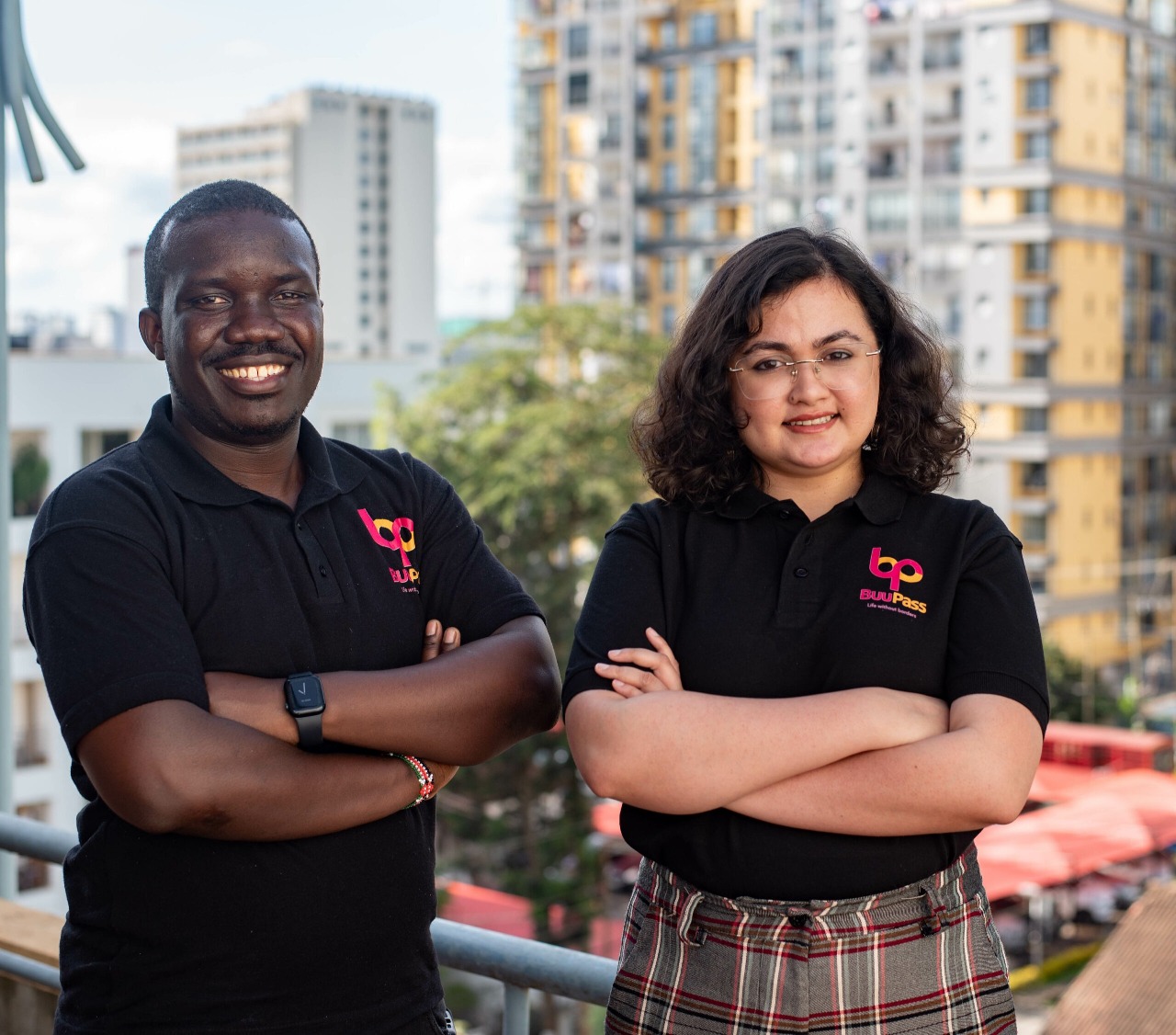
BuuPass, a leading Kenyan mobility technology company, has made history by ranking among the Top 3 finalists at the prestigious Startup World Cup 2025 Grand Finale held in San Francisco. This recognition makes BuuPass the first African startup to reach this milestone at the global competition, which brought together over 90 regional winners from around the world vying for a $1 million investment prize. BuuPass secured the impressive No. 3 global position, marking a transformative moment for African innovation on the global stage.

The achievement is a testament to the strength and growth of Africa’s startup ecosystems, with representation from Kenya, Nigeria, Uganda, Tanzania, South Africa, and the Democratic Republic of Congo. BuuPass (Kenya) and Vital Audio (Tanzania) emerged as the only African startups in the global Top 10, demonstrating that African ventures are not only solving local challenges but also developing scalable technologies with global relevance. This global validation sends a strong message about Africa’s readiness to compete in emerging digital and mobility sectors.

BuuPass has revolutionized transport across Africa by digitizing ticketing systems for buses and trains, enabling seamless travel experiences through mobile and online booking platforms. With over 25 million trips facilitated and an annualized revenue run rate of $5 million, the company is rapidly scaling its impact across the continent. The recent acquisition of QuickBus further strengthens its market reach and supports its vision to power the next billion journeys across Africa and other fast-growing regions.

The Startup World Cup’s judging panel featured leading venture capital firms such as Samsung, Andreessen Horowitz, Khosla Ventures, Norwest Venture Partners, and Salesforce Ventures. Their recognition of BuuPass highlights Africa’s emergence as a powerhouse of innovation capable of solving complex problems through technology. As Geoffrey Kiboneka of Benue Capital noted, Africa showcased solutions across AI, sustainability, and mobility, reflecting the continent’s broad potential to influence global industries.

This achievement was made possible through ecosystem collaboration led by Silicon Xchange in partnership with the Kenya National Innovation Agency (KeNIA). According to KeNIA CEO Dr. Tonny Omwansa, BuuPass’s performance on the world stage underscores the importance of active support for startups beyond policy frameworks. The success represents a collective win for Africa, signaling that when investors, policymakers, and founders align, the continent’s startups can set new global standards in technology and entrepreneurship.

Tether Makes Investment in Kenya’s Kotani Pay

0

Tether, the issuer of the world’s largest stablecoin USDT, has made a landmark strategic investment in Kenyan fintech Kotani Pay, signaling a major shift in how global digital asset providers are engaging with Africa’s emerging blockchain ecosystem. This investment underscores the growing importance of Africa as a key frontier for digital finance innovation, particularly as demand for seamless, secure, and cost-effective cross-border transactions continues to accelerate across the continent.

Kotani Pay has established itself as a critical player in the region’s financial infrastructure, providing on-ramp and off-ramp services that enable users to transition between fiat and digital currencies with ease. Its network connects local payment channels to blockchain platforms, addressing longstanding challenges such as high remittance fees, slow settlement times, and limited access to global markets. Tether’s investment comes at a pivotal time, as the stablecoin issuer celebrates reaching 500 million users and a USDT supply of US$182 billion, reinforcing its position as a leader in global digital payments.

Kotani Pay’s vision is to bridge millions of Africans into the digital economy by powering real-world use cases such as remittances, trade payments, and SME operational finance. With this new investment from Tether, the company is well-positioned to scale its technology and expand its footprint across high-growth markets, including Nigeria, Kenya, South Africa, and Ethiopia—regions where digital asset adoption is rapidly rising due to volatile local currencies and limited access to traditional banking systems. Chainalysis reports that Sub-Saharan Africa saw more than US$205 billion in on-chain activity between July 2024 and June 2025, highlighting the region’s growing blockchain momentum.

Tether CEO Paolo Ardoino emphasized the strategic alignment between the two companies, noting Kotani Pay’s strong regional presence and commitment to financial inclusion. Together, the partnership aims to unlock access to digital assets for businesses and individuals, reduce friction in cross-border transactions, and create a more inclusive global financial system. This collaboration is particularly impactful for small and medium-sized enterprises, which will gain access to improved liquidity, lower transaction costs, and greater connectivity to international markets.

Founded in 2020 by a team of Kenyan innovators, Kotani Pay has steadily built partnerships with leading blockchain and crypto companies such as Yellowcard, DCG, Fonbank, Celo’s Valora, and Mercy Corps. The investment from Tether marks a major milestone in its journey and represents a strong vote of confidence in Africa’s potential to lead in real-world blockchain adoption. As speculative trading takes a backseat, practical applications of digital assets—such as remittances, digital identity, and payments infrastructure—are taking center stage in shaping a more connected financial future for the continent.

Kenyan Engineer Elly Savatia Wins AI Innovation Prize

0

Kenyan innovator Elly Savatia has made history by winning the 2025 Africa Prize for Engineering Innovation for his groundbreaking invention, Terp 360—an AI-powered application that translates speech into sign language using 3D avatars. This transformative technology directly addresses Africa’s critical shortage of sign language interpreters, creating accessible communication channels for millions of deaf and hard-of-hearing individuals across schools, workplaces, and public institutions. His achievement cements Kenya’s position as a leading hub for inclusive innovation on the continent.

The Terp 360 platform is uniquely designed using a dataset of more than 2,300 locally recorded signs, ensuring both linguistic and cultural accuracy. By using real-time AI-driven avatars, the tool offers a cost-effective alternative to human interpretation, making it scalable and impactful in underserved communities. With the £50,000 award by the Royal Academy of Engineering—equivalent to KSh 8.6 million—Savatia and his team are now well-positioned to scale the solution across education, healthcare, and corporate sectors, advancing digital inclusion at a continental level.

This victory is not only a personal milestone for Savatia but also a celebration of Kenya’s rising influence in the global technology ecosystem. The innovation reflects a broader shift in African entrepreneurship toward assistive and socially impactful technologies. Speaking after the award announcement, Savatia expressed his gratitude and optimism for the future, calling the recognition a testament to Africa’s growing leadership in transformative engineering and digital accessibility.

Kenya’s strong presence was further highlighted by fellow innovator Carol Ofafa, who emerged as a finalist for her startup E-Safiri—a venture focused on e-mobility through solar-powered charging and battery-swapping hubs for electric bicycles and motorbikes. Other finalists from Uganda and Ghana were also recognized for innovations in healthcare and sustainable agriculture, each receiving £10,000, while Mozambique’s Rui Bauhofer earned the “One to Watch” award for developing biodegradable plates from maize husks. These recognitions showcase Africa’s commitment to engineering solutions that address real-world social, economic, and environmental challenges.

Since its inception in 2014, the Africa Prize for Engineering Innovation has supported more than 160 entrepreneurs across 20 African countries, transforming early-stage ideas into scalable ventures. The 2025 award ceremony, hosted in Dakar, Senegal—marking the first time the event was held in Francophone Africa—represents a new chapter in driving innovation across the continent. Savatia’s win underscores the immense potential of African engineering talent to solve continental challenges with globally competitive solutions.

Former CS James Macharia Appointed Sidian Bank Chair

0

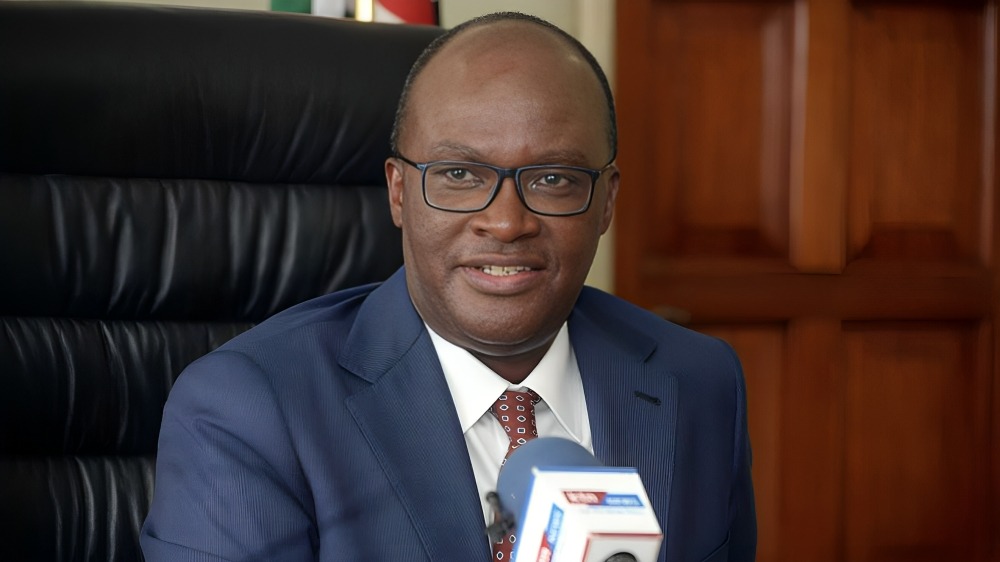
Former Cabinet Secretary James Macharia has been appointed as the new Chairman of Sidian Bank, marking a major leadership transition for the financial institution. He takes over from Dr. James Mworia, CEO of Centum Investment, who has led the bank since 2014. This strategic shift signals renewed focus on institutional growth following Centum’s recent exit from its majority stake, redefining governance and setting a new trajectory for the bank’s long-term vision.

Macharia’s appointment marks a significant return to the banking industry after over a decade in public service, where he played a pivotal role in economic policy and national development. With over 30 years of experience in financial services, including his tenure as CEO of NIC Bank—now part of NCBA Group—he has a proven track record in regional expansion, strategic transformation, and operational leadership. His background is expected to enhance Sidian Bank’s competitiveness in the increasingly dynamic financial services sector.

This leadership change follows a broader board restructuring that introduced new board members Paul Gachanja, Apollo Ong’ara, and Madhav Bhandari. Their addition signals a deliberate move toward strengthening corporate governance and enhancing strategic oversight to steer the bank’s next phase of growth. The transition aligns with Sidian Bank’s vision to scale its presence and deepen its impact on Kenya’s MSME and retail banking segments.

Dr. Mworia, in his handover message, emphasized confidence in Macharia’s leadership, noting his distinguished service both in the private sector and government. Under Macharia’s previous leadership at NIC Bank, the institution expanded its footprint in East Africa with remarkable growth into Tanzania and Uganda, positioning it as a regional player. His academic and professional credentials, including qualifications as both a Certified Public Accountant and Chartered Accountant in England and Wales, underscore his expertise.

This appointment comes months after the historic sale of Centum’s 64 percent stake in Sidian Bank for KSh 3.2 billion, marking a new era of ownership and renewed strategic direction. With Macharia at the helm, stakeholders anticipate a stronger focus on innovation, expansion, and financial inclusion, positioning Sidian Bank to play a transformative role in Kenya’s evolving banking landscape.

Kenya and Senegal Approve 90-Day Visa-Free Travel Agreement

0

Kenya and Senegal have taken a historic step in strengthening diplomatic and economic ties by officially lifting visa restrictions for their citizens, allowing visa-free travel for up to 90 days. This milestone agreement, witnessed by President William Ruto and President Bassirou Diomaye Faye at State House Nairobi, underscores a shared vision to promote regional integration, enhance mobility, and foster deeper collaboration between the two nations. The move is expected to boost tourism, stimulate trade, and enhance cultural exchange as both countries work towards a unified and prosperous Africa.

The visa-free agreement is part of a broader framework aimed at deepening bilateral cooperation across various sectors including trade, peace and security, energy, sports, and digital infrastructure. Both leaders reaffirmed their commitment to eliminating barriers that have historically impeded trade and investment. They emphasized the importance of harmonising standards, promoting business-to-business engagement, and enhancing connectivity through improved transport and digital infrastructure to accelerate economic growth and development.

A significant part of the agreement involves the establishment of a Joint Cooperation Commission (JCC), which will play a strategic role in identifying mutually beneficial opportunities and advancing new partnerships. Kenya has announced its readiness to host the inaugural JCC meeting in early 2026, signalling a proactive approach to fostering long-term collaboration. This initiative is expected to drive sustainable development and unlock untapped potential in sectors critical to economic transformation.

The partnership also extends to sports diplomacy, where Kenya and Senegal aim to leverage their strengths—Kenya’s excellence in athletics and Senegal’s leadership in football—to promote youth empowerment and cultural unity. Plans include shared training camps, coaching exchange programmes, and co-hosting regional tournaments ahead of major continental events such as AFCON 2027. In addition, both countries have committed to supporting Agenda 2063 and the African Continental Free Trade Area (AfCFTA), advancing Africa’s vision for industrialisation, integration, and inclusive growth.

On matters of peace and multilateral cooperation, Presidents Ruto and Faye emphasised that regional stability is fundamental to economic progress. They pledged to collaborate in conflict resolution, support reforms at the United Nations, and advocate for a more effective global governance system that represents Africa’s voice and interests. This agreement represents more than a diplomatic gesture—it is a powerful step towards African unity, economic resilience, and shared prosperity.

Kenya Airways Launches Africa’s First Sustainable Fuel Flight

0

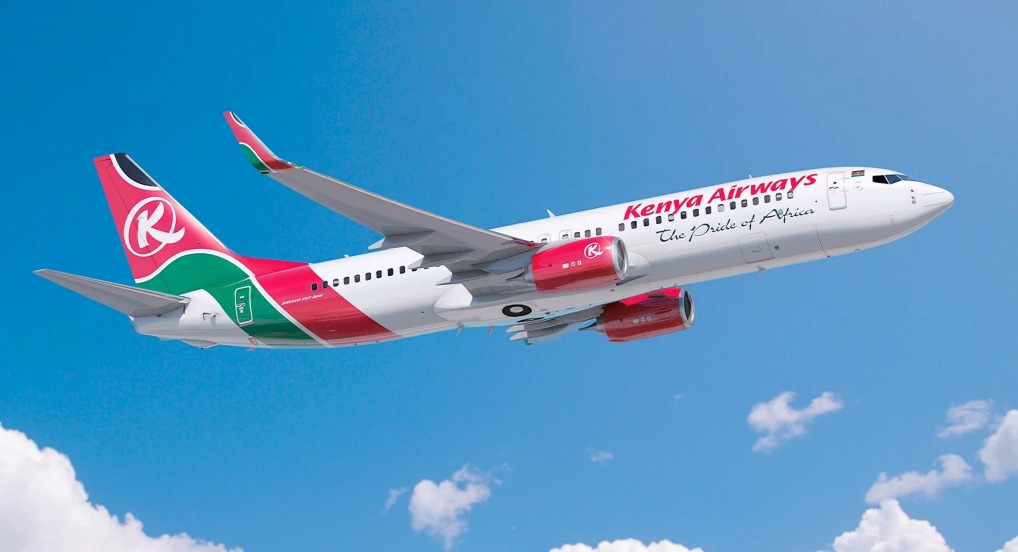
Kenya Airways has marked a historic milestone in African aviation by successfully operating its first flight powered by a 50 percent blend of Sustainable Aviation Fuel (SAF). The Nairobi to Cape Town flight, KQ784, sets a new benchmark for environmental leadership on the continent, positioning Kenya Airways as a pioneer in sustainable air travel and reinforcing its commitment to decarbonizing the aviation industry. This first-of-its-kind initiative in Africa highlights the airline’s strategic move to align with global climate goals and adopt cleaner aviation technologies.

Beyond using sustainable fuel, the flight showcased a fully eco-conscious travel experience. Kenya Airways implemented a range of innovative sustainability measures, including the use of upcycled blanket bags, recyclable and reusable cutlery, and locally sourced Kenyan coffee and tea. This holistic approach demonstrates a broader commitment to reducing single-use plastic and promoting responsible consumption within its passenger services, redefining what sustainable aviation looks like in practice.

Kenya Airways had previously piloted a SAF-powered flight on its Nairobi–Amsterdam route two years ago, and this latest successful showcase underscores its intention to scale up SAF adoption in both regional and international operations. By actively integrating cleaner fuels into its fleet, KQ is taking tangible steps towards meeting global aviation emission reduction targets while positioning Kenya as a continental leader in green innovation and sustainability.

According to global aviation standards, the use of SAF can reduce lifecycle carbon emissions by up to 80 percent, offering one of the most effective pathways for greener air travel. However, scalability remains a challenge. Data from the World Bank indicates that Kenya will require approximately Sh30.45 billion to establish biofuel production facilities dedicated to aviation. This investment represents both a challenge and a significant economic opportunity for local industries, farmers, and innovators in the renewable energy sector.

This groundbreaking flight signals more than technological advancement—it reflects a new chapter in Africa’s aviation future. By embracing sustainability at the core of its operations, Kenya Airways is not only contributing to climate resilience but also inspiring regional collaboration, investment in renewable energy, and the development of homegrown SAF solutions that can shape the future of travel across the continent.

Safaricom Gains Advantage from Expanded Vodafone-Nokia 5G Deal

0

Vodafone has renewed its strategic partnership with Nokia through a new five-year agreement that marks a major leap in accelerating 5G deployment across Europe and Africa. This collaboration will see the rollout of Nokia’s advanced AirScale radio access network technology, designed to deliver faster internet speeds, expanded coverage, and enhanced energy efficiency. The initiative reinforces Vodafone’s long-term commitment to building powerful next-generation networks and positions Africa at the centre of the global 5G revolution.

A key highlight of this agreement is the deployment of Africa’s first dual-band 5G Massive MIMO radio, a transformative technology that will significantly boost network capacity and improve service reliability. This advancement will enable faster data transmission, support rising digital demand, and deliver more consistent user experiences across both urban and rural regions. With connectivity becoming a vital driver of socioeconomic development, this upgrade will directly support digital inclusion and innovation across the continent.

Nokia will supply baseband units and remote radio heads powered by its ReefShark System-on-Chip technology, known for enabling high performance with lower power consumption. Additionally, Vodafone will integrate Nokia’s AI-powered MantaRay NM platform to intelligently manage networks in real time. This technology not only improves operational efficiency but also supports sustainability by reducing energy usage across telecommunications infrastructure.

In Africa, the impact of this partnership will be most evident through Vodafone’s subsidiary networks including Vodacom and its associate company Safaricom in Kenya and Ethiopia. Safaricom is expected to significantly benefit from enhanced 5G capabilities, strengthening its ability to expand ultra-fast internet access and accelerate Kenya’s journey toward a digitally empowered economy. With 5G set to influence key sectors such as healthcare, manufacturing, education, and fintech, this development aligns with Kenya’s national digital transformation ambitions.

As mobile technology continues to drive economic growth across sub-Saharan Africa, the continued expansion of 5G is projected to add up to 170 billion dollars to the regional economy by 2030. With this renewed Vodafone-Nokia partnership, Africa is not only receiving world-class technology but also gaining the strategic infrastructure needed to power future industries, create jobs, and foster inclusive digital growth

Kenyan Startup T-Bin Transforms Waste Management with Smart Bins

0

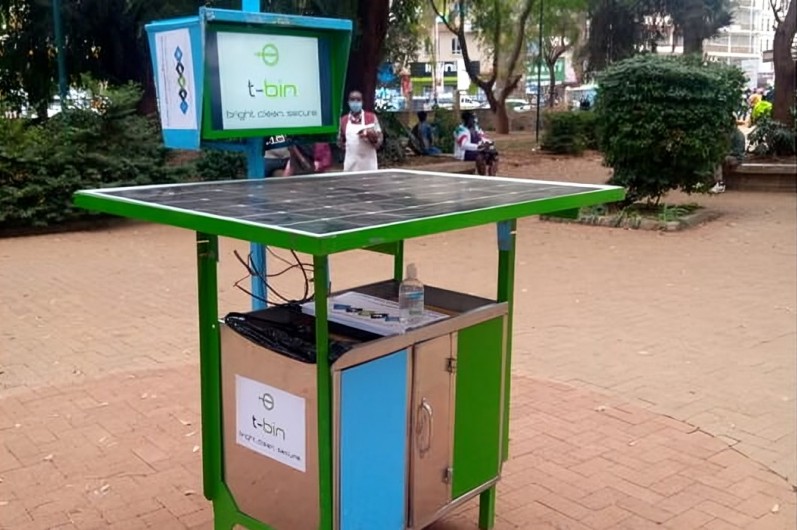
Africa’s urban growth is accelerating faster than waste management systems can keep up, creating one of the region’s most pressing environmental and public health challenges. In response, Kenyan startup T-Bin is pioneering a technology-driven model that is transforming how waste is collected, monitored, and recycled in cities across the continent. Founded by Eddy Gitonga, T-Bin introduces smart, solar-powered bins equipped with AI capability, IoT connectivity, CCTV cameras, E-sensors, and free Wi-Fi, offering a modern, efficient, and scalable solution to a long-standing urban crisis.

The T-Bin, short for Tech Bin, is intentionally designed to promote a circular economy by encouraging segregation of waste at the source. Each bin contains compartments for organic, plastic, electronic, and textile waste, helping communities and institutions manage their waste streams more effectively. With twin LCD screens, proximity sensors, real-time data analytics, and aroma diffusers, these smart bins do more than collect waste—they provide intelligence that enables decision-makers to act quickly while promoting cleaner, safer, and smarter public spaces.

More than a waste bin, T-Bin functions as a smart city infrastructure tool. It provides street lighting, enhances public safety through CCTV monitoring, and supports digital inclusion through free Wi-Fi access. The system meets both environmental and social development goals, aligning with Kenya’s Vision 2030 and the African Union’s Agenda 2063. It empowers governments, corporates, schools, hospitals, and transport hubs to transition into sustainable urban ecosystems without relying on inefficient or outdated waste collection models.

T-Bin is currently raising USD $2.5 million to expand its operations across the East African Community region. The funding will be used to scale manufacturing, upgrade its AI-powered waste management platform, and strengthen partnerships with public and private stakeholders. Despite being bootstrapped, the startup’s rapid growth and visionary approach demonstrate the ambition and innovation driving Africa’s clean-tech revolution.

By merging sustainability with cutting-edge technology, T-Bin is not only tackling a critical environmental issue but is setting a new benchmark for circular economy models in Africa. It represents a bold step toward building future-ready cities where waste is no longer a burden, but a valuable resource in powering economic growth, improving public health, and protecting the environment.