
back to top
Home Blog Page 10

UN Funds 68,000 EVs to Boost Kenya’s E-mobility

0

The United Nations, through the UNDP, UNCDF, and WRI, has launched a milestone initiative that is set to transform Kenya’s transport and agricultural sectors through climate-smart innovations. Central to this move is a five-year financing programme valued between $40 million and $50 million, designed to deploy 68,000 electric two- and three-wheelers nationwide. This landmark initiative will significantly reduce greenhouse gas emissions and empower small businesses by enabling access to affordable financing through concessional loans, guarantees, and blended finance models delivered via local financial institutions.

The electric mobility programme is targeted across Kilifi, Kiambu, and Kajiado counties and is projected to create 68,000 green jobs, with an intentional allocation of 15% of these opportunities to women. By replacing traditional fuel-powered motorcycles and tuk-tuks with electric alternatives, Kenya will cut up to one million tonnes of CO₂ emissions over the next decade. This initiative strategically aligns with the country’s goal under the Enhanced Nationally Determined Contribution (NDC) to reduce emissions by 32% by 2030, leveraging Kenya’s strong renewable energy foundation, with 90% of its electricity already sourced from clean energy.

In addition to clean transportation, the UN has also launched a second transformative project targeting food security and agricultural resilience. This initiative will deploy 1,000 solar-powered cold storage units across the country to reduce post-harvest losses currently estimated at 40%. The cold chain programme will benefit 60,000 smallholder farmers, preserve 5,000 tons of food annually, and prevent 4.8 million tonnes of CO₂ equivalent, while mobilising an estimated EUR 27 million in private investment using the same blended finance model.

These two flagship programmes represent a powerful synergy between sustainability and economic development. By financing both electric mobility and solar cold chain infrastructure, the initiatives are unlocking new avenues for green jobs, rural income growth, and private-sector participation in climate action. The projects demonstrate how strategic partnerships between global development institutions and local stakeholders can drive inclusive growth and support Kenya’s transition to a low-carbon economy.

Kenya is rapidly emerging as a continental leader in climate innovation and green infrastructure. With these UN-backed initiatives, the country is not only taking decisive steps toward achieving its climate goals but is also positioning itself as a model for sustainable transport and agricultural resilience across Africa. This is a bold step toward a greener, more inclusive future that supports livelihoods, enhances food security, and accelerates economic transformation.

Kenya Ranked Fastest-growing Market for Internet Advertising

0

Kenya has been identified as the fastest-growing internet advertising market globally, marking a significant milestone in the evolution of Africa’s digital economy. According to the newly released PwC Africa Entertainment & Media Outlook 2025–2029, Kenya’s internet ad market is projected to grow at an impressive 16% compound annual growth rate through 2029, driven by increased digital consumption, mobile-first engagement, and expanding access to AI-powered advertising technologies. The report underscores that digital advertising is now the dominant force shaping the future of entertainment and media, placing Kenya firmly at the center of this transformation.

A major catalyst for this surge is the rapid growth in video advertising, forecasted to expand at a CAGR of 22.3%. This reflects a consumer shift toward visual content and mobile-streamed media, making Kenya a priority market for advertisers seeking to engage younger, increasingly digital-native audiences. Innovations in programmatic advertising, connected TV, mobile payments, and AI-driven targeting are accelerating this growth by providing brands with precision tools to reach audiences and measure impact in real time.

However, the report also highlights a significant barrier: 76% of the average Kenyan’s media expenditure is spent on internet connectivity. This high cost of data restricts consumer spending on subscription-based digital services, shifting competitive advantage toward ad-supported platforms. Businesses that offer free or low-cost access—funded through advertising—are expected to lead the next phase of growth in Kenya’s digital sector.

PwC identifies ad-supported streaming platforms, mobile-first monetisation models, and casual gaming as the dominant growth areas in the years ahead. With the integration of mobile money services such as M-PESA and the rise of connected consumer ecosystems, Kenya is set to become a key innovation hub for digital advertising models that prioritise accessibility and scale over subscription-based revenue.

This global recognition of Kenya’s leadership in internet advertising is a powerful signal to investors, marketers, and digital platforms. As digital ads are projected to account for 80% of all global advertising revenue by 2029, Kenya’s momentum positions it not only as a continental leader, but as a global benchmark for the future of digital engagement and media innovation.

AfDB Approves $73M Loan to Drive Kenya’s Tech Revolution

0

The African Development Fund, the concessional financing arm of the African Development Bank Group (AfDB), has approved a $73.31 million loan to accelerate Kenya’s technological advancement by strengthening higher education, science, and engineering capabilities across public universities. This strategic investment marks a major step in positioning Kenya as a continental leader in innovation-driven growth, targeting institutions that play a critical role in shaping the country’s future workforce. The funding is directed under the second phase of the Support to Higher Education, Science and Technology Project (HEST II), designed to ensure that Kenya’s young population is empowered with globally competitive skills.

Through this initiative, 19 public universities will be equipped with modern laboratories, state-of-the-art teaching facilities, and upgraded digital infrastructure. This expansion builds on the success of the first phase, which had already transformed facilities in eight universities and strengthened engineering programs nationwide. With HEST II, every region of Kenya will now benefit from improved access to quality higher education in science, technology, engineering, and innovation disciplines. The program is expected to reach over 20,000 students—8,000 of whom are young women—significantly advancing gender inclusion in STEM fields.

A key highlight of this project is the establishment of three centres of excellence in engineering and a new national science and technology park. These hubs will foster industry-led research, innovation commercialization, and entrepreneurship, providing students and researchers with an enabling environment to transform ideas into real-world solutions. This infrastructure will position Kenya as a regional knowledge economy, attracting global partners and catalyzing economic development through science and innovation.

In addition to infrastructure, the AfDB funding will empower university faculty through scholarships, retraining, and deployment of a competency-based curriculum aligned with evolving technology demands. Youth entrepreneurship will also be directly supported, with incubation hubs and mentorship programs set to nurture more than 100 youth-led start-ups. The initiative will generate an estimated 5,000 direct and indirect jobs by 2030, contributing to Kenya’s industrialization agenda and Africa’s broader digital transformation objectives.

This investment reflects AfDB’s confidence in Kenya’s potential to lead Africa’s innovation revolution. By empowering the next generation of engineers, scientists, and entrepreneurs, this initiative is not only bridging the skills gap but also laying the foundation for a resilient, knowledge-based economy. It is a transformative moment for Kenya’s higher education landscape, signalling a strong commitment to sustainable growth powered by technology, innovation, and inclusive opportunity.

Linus Kaikai Set to Join Kenya’s High Court Advocates

0

Linus Oleliai Kaikai is on the verge of joining the ranks of advocacy in Kenya’s legal profession, having been gazetted as one of the 916 individuals cleared for potential admission as advocates of the High Court of Kenya. This milestone marks a significant expansion of his professional journey, transitioning from a distinguished journalism and editorial career into the realm of legal practice.

Kaikai’s inclusion in the gazette — where his name appears as entry number 394 — reflects both his eligibility and readiness to take the next step toward Bar admission. The formal process will include admission formalities under the supervision of the Chief Justice, underscoring the rigour and standards of Kenya’s legal profession.

His prior work in media, spanning decades and involving leadership positions at major outlets, is about to be complemented by this new credential. This dual expertise — both in storytelling, media leadership, and now law — equips him uniquely to contribute to Kenya’s legal and civic landscapes in impactful ways.

For a professional of Kaikai’s calibre, this moment is not just a personal achievement but also an inspiration for professionals seeking to transition, upskill or broaden their impact across sectors. His name now enters a vital list of advocates poised to serve Kenya’s justice system, public interest, and private sector legal markets.

Congratulations to Linus Oleliai Kaikai on this major career advancement and the promising new chapter it opens. As he progresses toward formal admission, the next steps will be closely watched by peers, mentees and the broader legal and media communities alike.

Jiji Unveils Free Course to Empower Young Entrepreneurs

1

Jiji has taken a bold step toward empowering Kenya’s youth with the launch of its free online course, “Zero to Profit: The Essentials of Business Building,” under the newly formed Jiji Academy. Hosted at Mount Kenya University, this initiative is designed to equip young entrepreneurs with the critical knowledge and skills needed to convert business ideas into profitable ventures in today’s digital economy. The program directly addresses the gap between entrepreneurial ambition and access to practical business education.

The course offers a comprehensive curriculum covering business fundamentals such as identifying profitable opportunities, sourcing suppliers, pricing strategies, branding, marketing, taxation, and customer retention. It goes further to include vital modules on legal compliance, fraud prevention, and delivery safety—equipping learners with real-world knowledge essential for building resilient and compliant businesses in the e-commerce age. By ensuring the course is self-paced and fully free, Jiji is removing economic barriers that often prevent young people from accessing quality business education.

According to Maureen Naliaka, PR & Marketing Manager at Jiji Kenya, this initiative reflects the company’s mission to create opportunities beyond online trading. The program not only empowers aspiring business owners but also provides them with practical tools, including a certificate of knowledge and a free Boost Package, designed to accelerate their entrepreneurial journey on the Jiji platform. This aligns with Jiji’s broader vision of creating sustainable impact through education and digital empowerment.

In a market where youth unemployment remains high, Jiji Academy’s launch signals a powerful intervention. The course is expected to catalyze economic participation by equipping thousands of young Kenyans with the confidence, knowledge, and resources to start and scale their businesses. It also positions Jiji not merely as an e-commerce leader, but as a strategic partner in national socio-economic growth.

This initiative underscores Jiji’s commitment to driving entrepreneurship, fostering financial independence, and nurturing a new generation of digital-savvy business leaders. By investing in youth capacity building, Jiji is contributing to Kenya’s long-term economic resilience while bridging the knowledge gap that has long limited entrepreneurial success.

Shimoni Port in Kwale Receives First Luxury Cruise Ship

0

Shimoni Port has marked a major milestone with the arrival of its first luxury cruise ship, positioning the South Coast as a rising hub for maritime tourism. The SH Diana, carrying 249 international passengers, made its inaugural call to the newly completed facility, signaling a new era of opportunity in Kenya’s cruise tourism industry. This event highlights the strategic importance of recent infrastructure developments in enhancing destination accessibility and boosting global visibility for Kenya’s coastal tourism circuits.

The arrival of the SH Diana was celebrated by national and county leaders, port officials, and tourism stakeholders, reflecting a collective commitment to positioning Kwale as a premier tourism gateway. Passengers disembarked to explore world-renowned attractions including Kisite Mpunguti Marine Park, Wasini Island, and cultural heritage sites that have shaped the region’s identity. With Kwale’s beaches having been ranked ‘Best in Africa’ for five consecutive years, the port’s activation is expected to further elevate the region’s tourism appeal and economic performance.

Kenya Ports Authority (KPA) officials noted that the successful docking showcases the government’s focus on expanding cruise tourism, one of the fastest-growing travel segments globally. The new port is set to drive job creation, attract hospitality investments, and empower local communities through tourism-led enterprise. Shimoni Port will now act as a strategic anchor for both regional and international cruise itineraries, complementing established ports like Mombasa and Lamu.

The visit by SH Diana not only boosts tourism but also enhances Kenya’s reputation as a competitive player in the global maritime industry. The port’s ability to accommodate luxury liners strengthens its profile as a modern facility capable of supporting cruise tourism growth while promoting sustainable economic development along the coastline. This milestone is expected to trigger a ripple effect across sectors such as hospitality, transportation, and local trade.

By opening a new gateway for international travelers, Shimoni Port is poised to transform Kwale County into a leading destination for luxury tourism and marine exploration. With strong collaboration among government agencies, tourism boards, and the private sector, this development sets the stage for long-term growth, community upliftment, and increased foreign exchange earnings for Kenya’s blue economy.

OpenAI Launches ChatGPT Atlas Browser to Rival Chrome

0

OpenAI has officially entered the global browser market with the launch of ChatGPT Atlas, a groundbreaking AI-native web browser designed to transform how users search, navigate, and interact with the internet. Unlike traditional browsers that treat AI as an additional feature, Atlas positions AI at the core, replacing the classic search bar with a conversational composer bar that allows users to retrieve information using natural language prompts. This innovation reflects OpenAI’s vision for a more intuitive web experience where users don’t need to remember URLs or keywords—instead, they can simply describe what they are looking for in everyday language.

The browser is currently available for macOS with versions for Windows, iOS, and Android to follow. What sets Atlas apart is its integration of ChatGPT as a persistent companion throughout the browsing experience. Users can chat with web pages, summarize content in real time, or receive insights directly from the AI without switching tabs. The interface allows for a split-screen view, showing the webpage alongside the ongoing conversation with ChatGPT, offering a seamless blend of browsing, research, and productivity features.

One of the most ambitious features of ChatGPT Atlas is Agent Mode, available to ChatGPT Plus and Pro subscribers. This capability enables the AI to perform complex tasks autonomously, such as making purchases, managing workflows, or executing multi-step processes online. During the launch demonstration, the agent successfully ordered recipe ingredients via Instacart, showcasing its ability to interact with websites, utilize stored credentials, and complete actions under user supervision. OpenAI positioned this as a transformative step toward AI-powered personal and professional task automation.

Atlas further introduces memory-based browsing, where the browser intelligently stores contextual information to personalize future interactions. The browser’s privacy-first design ensures these memories are user-controlled, with incognito mode available for those seeking confidentiality. Engineering leadership by former Chrome and Firefox pioneer Ben Goodger underscores the significance of Atlas as a direct challenge to dominant web browsers, aligning with OpenAI’s broader strategy to redefine internet search and navigation through conversational AI.

With major competitors such as Google, Perplexity, Microsoft, and Opera also integrating AI deeply into their browsers, the launch of ChatGPT Atlas marks the beginning of a new era in what is being termed the AI Browser Wars. OpenAI has positioned Atlas not just as a browsing tool, but as an intelligent digital partner built for the future of productivity, personalization, and automation. The question now is whether users will shift from clicks to conversations as the primary mode of navigating the web.

SIB Projects 60% Growth in TotalEnergies Kenya Shares

0

Standard Investment Bank (SIB) has reaffirmed strong confidence in TotalEnergies Marketing Kenya Plc, issuing a ‘BUY’ recommendation with a fair value estimate of KSh 56.30 per share—a 60.4 percent upside from its current market price. This forecast is based on a comprehensive valuation using Discounted Cash Flow, Dividend Discount Model, and regional market multiples, highlighting the company’s strategic market positioning and promising earnings outlook. This renewed investor sentiment underscores TotalEnergies Kenya’s resilience amid evolving market dynamics.

According to SIB’s projections, TotalEnergies is on track to grow its net earnings to KSh 1.8 billion in FY2025, up 20 percent year-on-year, supported by easing finance costs and steady revenue growth. The brokerage also expects the company to maintain its dividend payout at KSh 1.92 per share, reflecting a strong dividend policy driven by healthy cash flows and disciplined capital management. This robust financial performance positions the company as a leading dividend stock in the energy sector.

TotalEnergies continues to strengthen its market presence with expanded network and diversified revenue streams. Local sales are expected to contribute 95.8 percent of total revenue in FY2025, driven by growth in the retail, aviation, and general trade segments. The company plans to increase its network from 252 to 261 service stations by 2026, reinforcing its dominance in the domestic petroleum market and enhancing customer access across the country.

A core pillar of TotalEnergies’ growth strategy is its investment in clean energy and sustainability initiatives. With 152 service stations already solarized, biodiesel introduced, and EV charging and battery-swapping infrastructure deployed in partnership with local e-mobility firms, the company is leading Kenya’s low-carbon transition. These investments align with global ESG trends and strengthen long-term competitiveness as Kenya accelerates its shift toward renewable energy solutions.

SIB concludes that TotalEnergies Kenya remains undervalued compared to regional peers, offering significant upside potential for investors. With a conservative balance sheet, strong cash flow generation, and strategic retail expansion, TotalEnergies is well-positioned to deliver sustained returns and attract renewed investor interest on the Nairobi Securities Exchange. The company’s forward-looking energy transition strategy further cements its position as a key player in Kenya’s evolving energy economy.

Kenya Leads East Africa in Renewable Energy Generation

0

Kenya has reaffirmed its position as the energy powerhouse of East Africa, leading the region in both energy consumption and renewable energy generation according to the latest report from the Energy and Petroleum Regulatory Authority (EPRA). The country recorded the highest electricity peak demand at 2,316 MW, surpassing regional economies such as Tanzania, Uganda, Rwanda, and Zanzibar, reflecting Kenya’s rapid economic growth and expanding industrial activity. This performance solidifies Kenya’s role as a critical driver of energy innovation and sustainability in Africa.

In addition to strong consumption figures, Kenya demonstrated significant leadership in generation capacity with an installed capacity of 3,192 MW, placing it among the top three in the East African Community. However, what sets Kenya apart is the scale and diversity of its renewable energy infrastructure. The country recorded 940 MW in geothermal energy production—accounting for 100 percent of the region’s geothermal output—showcasing its unmatched dominance in this critical renewable source.

The report highlights that 80.17 percent of Kenya’s electricity mix is derived from renewable energy sources, including geothermal, wind, solar, and hydro. This diversified mix not only enhances energy security but also protects the economy from global fuel price volatility and contributes to the nation’s long-term carbon reduction goals. Kenya’s balanced approach ensures both resilience and sustainability, making it a regional model for clean energy development.

Across the East African Community, renewable energy accounts for 81 percent of installed capacity, with hydropower leading at over 65 percent. Within this landscape, Kenya stands out for its deliberate and strategic investment in non-hydro renewables, positioning itself as a continental pioneer in green energy technology adoption and innovation.

Kenya’s continued leadership in renewable energy generation is a clear signal to global investors, policymakers, and development partners. It underscores the nation’s commitment to transitioning toward a low-carbon future while powering economic growth and enhancing energy access for millions. This momentum positions Kenya as a cornerstone of Africa’s clean energy transformation.

Sage Healthcare Enters EA Market with Kenya as Regional Gateway

0

Saudi Arabian healthcare firm Sage Healthcare Concierge Services has officially entered the East African market, selecting Kenya as its strategic gateway for regional expansion, collaboration, and investment. This move underscores Kenya’s emerging role as a healthcare hub on the continent and its growing attractiveness for global players focused on advancing medical innovation, patient care, and institutional partnerships. Sage Healthcare’s entry reflects a long-term commitment to supporting transformative healthcare solutions that enhance both access and quality of care across East Africa.

To mark its debut, Sage Healthcare will host a high-level roundtable in Nairobi, bringing together government leaders, hospital executives, and multinational healthcare investors. The roundtable is designed to drive meaningful dialogue and forge partnerships in critical areas such as healthcare training, medical accreditation, referral networks, and patient-centered innovation. These discussions aim to lay the foundation for cross-border medical collaboration that strengthens the resilience and efficiency of the region’s healthcare systems.

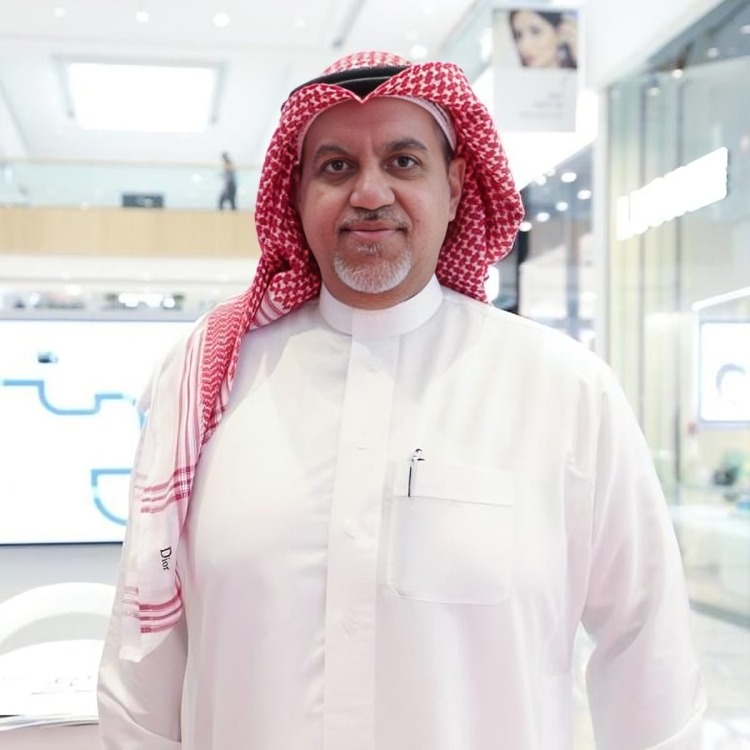
According to Dr. Mohammed Aldar, CEO and Founder of Sage Healthcare Concierge Services, the company is committed to creating structured pathways that support professional training and medical referrals, ensuring patients have access to world-class healthcare options. By building frameworks that connect East African institutions with accredited international networks, Sage Healthcare aims to bridge healthcare gaps, promote knowledge exchange, and establish a foundation for sustainable growth in the medical sector.

Kenya’s positioning as a regional healthcare leader continues to attract global investment, and Sage Healthcare’s entry further accelerates this momentum. With an emphasis on collaboration, capacity building, and improved care outcomes, the Nairobi initiative aims to introduce transparent medical pathways and modern healthcare standards that enhance medical tourism, bolster institutional excellence, and empower local medical professionals.

Headquartered in Saudi Arabia, Sage Healthcare Concierge Services specializes in connecting patients and institutions with international healthcare ecosystems. Its presence in Kenya is expected to catalyze new healthcare investment opportunities, elevate patient outcomes, and promote innovation across East Africa’s healthcare landscape. This represents a pivotal moment for the region as global partnerships continue to play an integral role in shaping the future of accessible, high-quality medical care.