


back to top
Home Blog Page 9

M-PESA Foundation Unveils 5-year Education Program in Kenya

0

Safaricom, through the M-PESA Foundation, has launched a transformative five-year education initiative aimed at improving access, quality, and equity in Kenya’s education system. The program, dubbed Citizens of the Future, will focus on upgrading school infrastructure, empowering teachers with ICT skills, and supporting thousands of learners across the country through scholarships and modernized learning environments.

With an investment of approximately KES 30 billion, the initiative seeks to impact over 600 institutions and award scholarships to more than 10,000 students in senior secondary and tertiary institutions. Safaricom CEO Peter Ndegwa emphasized that the initiative consolidates the company’s ongoing education programs to bridge existing learning gaps through innovation, digital integration, and sustainable infrastructure development that fosters inclusivity, especially for learners with special needs.

The Citizens of the Future initiative will include the development of model “Schools of the Future” — institutions designed to embody next-generation learning through sustainable architecture, digital classrooms, and an inclusive learning approach. These schools will represent a shift toward future-ready education, aligning with Kenya’s human capital development goals and the growing demand for digital and technical skills in a changing global economy.

Despite education being one of the largest recipients of national funding, challenges such as inadequate learning materials, underfunded institutions, and insufficient teacher training persist. The M-PESA Foundation’s intervention aligns with the government’s call for stronger collaboration with the private sector to address resource gaps, enhance technical capacity, and ensure the education system equips learners with relevant 21st-century skills.

As Safaricom marks 25 years of transforming lives, this initiative reinforces its long-standing commitment to empowering communities through sustainable development. The Foundation’s leadership reaffirmed that quality education remains central to Kenya’s socio-economic progress, with technology serving as the bridge between learning and opportunity. The program positions Kenya’s learners and educators for a future defined by digital literacy, adaptability, and innovation.
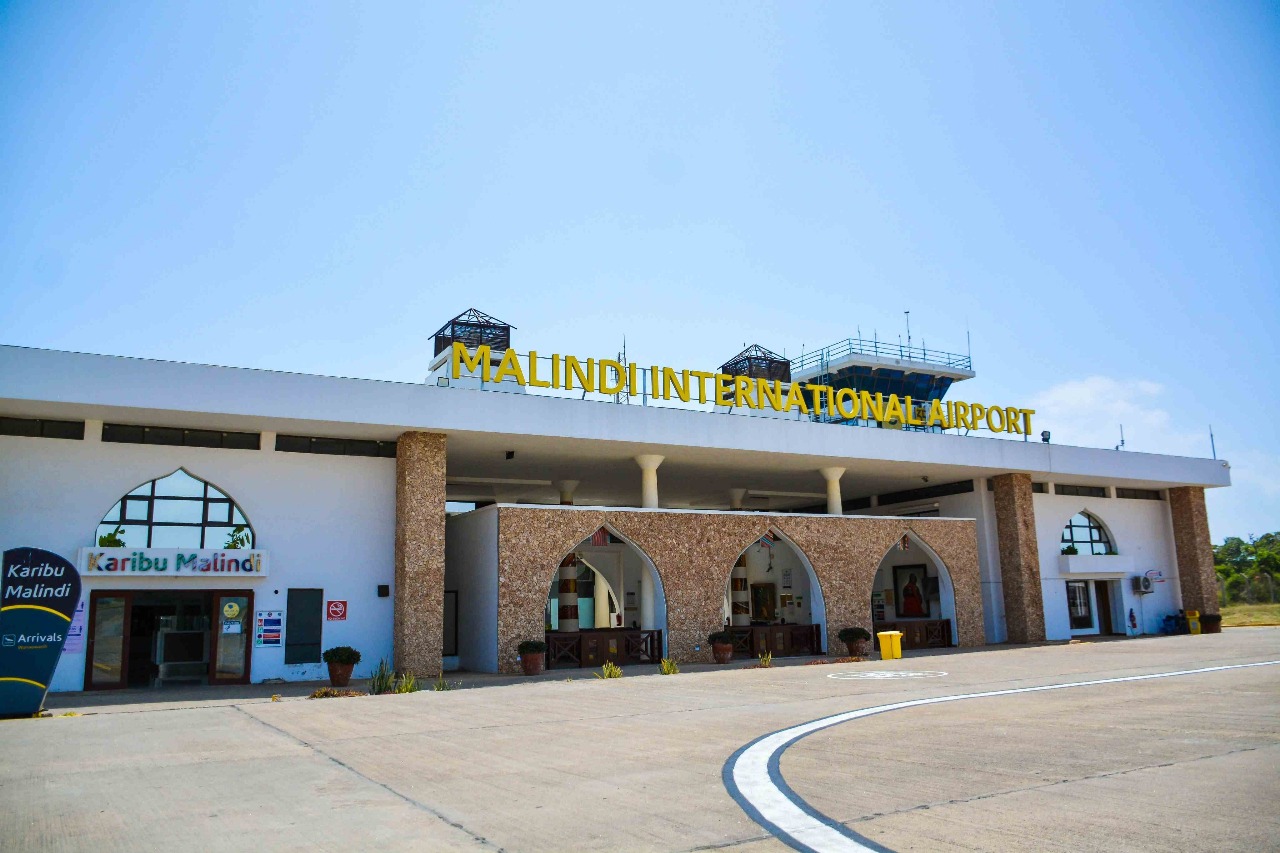
Kenya Plans Malindi Airport Expansion to Boost Tourism

0

The Government of Kenya has unveiled plans to expand the Malindi International Airport (MIA) in a strategic move to boost air connectivity and attract more international tourists to the coast region. The announcement was made by Tourism and Wildlife Cabinet Secretary Rebecca Miano during the fourth Uganda-Kenya Coast Tourism Conference and Exhibition held at the Ocean Beach Resort and Spa in Malindi.

Miano noted that discussions are ongoing between the Kilifi County Government, the National Government, and other key stakeholders to finalize the airport’s expansion process. The project is expected to enhance the flow of tourists, improve logistics, and strengthen Malindi’s position as a key gateway to Kenya’s coastal attractions.

In addition to the expansion, the government is also prioritizing the liberalization of Kenya’s airspace to increase direct international connections. Miano highlighted that several policy reforms have already been implemented to simplify the licensing process, leading to new direct connections with Angola and Saudi Arabia, as well as increased flight frequencies by major carriers such as Emirates and British Airways. These efforts are part of the broader strategy to make Kenya more accessible to global visitors.

Established in the 1950s as an airstrip, Malindi Airport has evolved into a vital entry point for tourists seeking the region’s pristine beaches, marine life, and water sports. However, previous expansion efforts in 2011 and 2012 were delayed due to land acquisition and compensation issues. With the renewed government focus, these challenges are now being addressed to ensure the completion of the project.

Kilifi Governor Gideon Mung’aro welcomed the government’s commitment, emphasizing that the airport’s upgrade will unlock untapped tourism potential in the region. He noted that the expansion will enable tourists to land directly in Malindi from international destinations, reducing travel time and boosting the local economy. The development marks a significant milestone in Kenya’s efforts to strengthen its coastal tourism and aviation sectors.

Emirates Expands Kenya Operations Through CEPA and KQ Partnership

0

Emirates Airlines is set to deepen its footprint in Kenya, leveraging the recently signed Kenya–UAE Comprehensive Economic Partnership Agreement (CEPA) and its growing partnership with Kenya Airways to boost trade, tourism, and connectivity between the two nations. The airline’s Country Manager, Christophe Leloup, highlighted that the agreement is unlocking new opportunities for exports, cargo movement, and investment, positioning Kenya as a key regional aviation and trade hub.

Speaking during a roundtable in Nairobi marking Emirates’ 30th anniversary in Kenya, Leloup emphasized that the CEPA deal represents a major milestone in strengthening bilateral relations between Nairobi and Abu Dhabi. The agreement, signed in 2023, seeks to remove trade barriers, attract investments, and accelerate Kenyan exports to Gulf countries. Emirates, he noted, will play a central role in supporting these ambitions through enhanced air connectivity and logistics infrastructure.

Emirates’ cargo operations have already demonstrated this commitment, with the airline operating three weekly freighter flights between Nairobi and Europe. In 2024 alone, the carrier transported over 16,000 tons of Kenyan flowers, fruits, vegetables, and meat to international markets. Under the new trade framework, this volume is expected to grow as more Kenyan exporters tap into the increasing demand in the UAE and broader Middle Eastern markets. Leloup reaffirmed that Emirates views Nairobi not only as a passenger hub but also as a growing cargo gateway linking Africa to Europe, Asia, and the Middle East.

The interline partnership between Emirates and Kenya Airways, signed in 2023, has further strengthened this vision. Over the past two years, more than 31,000 passengers have flown under the codeshare agreement, connecting seamlessly between the two airlines’ networks. This collaboration enables Emirates passengers to reach destinations across Africa such as Rwanda, Malawi, Mozambique, and Burundi, while Kenya Airways passengers enjoy convenient connections through Dubai to the U.S., China, Asia, and Europe. Leloup described the partnership as strategic and mutually beneficial, aligning with Emirates’ long-term goal of expanding reach across Africa.

Since commencing operations in Kenya in 1995, Emirates has carried over 6.6 million passengers and operated more than 34,000 flights. The airline employs over 1,100 Kenyans globally and continues to support the country’s economic growth through tourism and trade facilitation. As Kenya advances toward an open skies policy, Emirates expressed full support for the liberalization of African airspace, noting that it will enhance competition, reduce fares, and stimulate regional development. Leloup affirmed that Emirates remains committed to connecting Kenya to the world, ensuring that the country continues to thrive as East Africa’s premier aviation gateway.

M-Pesa, Worldreader Partner to Launch Free Children’s Library

0

M-Pesa, in collaboration with international nonprofit Worldreader, has introduced a free digital library for children directly accessible through the M-Pesa App. This initiative brings thousands of age-appropriate books to Kenyan families, marking a major step forward in promoting early literacy and digital learning inclusion. The integration of Worldreader’s BookSmart app into M-Pesa’s “Education” section allows parents and children to explore more than 2,700 storybooks and learning activities in English and Kiswahili.

The digital collection features stories across multiple genres, including science, adventure, sports, and early learning, catering to children aged 3 to 12. This collaboration aims to foster consistent reading habits within families, supporting children’s cognitive and emotional development from an early age. According to Worldreader, spending as little as ten minutes a day reading together can significantly enhance a child’s vocabulary, confidence, and overall school readiness.

Worldreader’s Director of Partnerships, Olivia Kimani, emphasized the importance of accessibility in promoting a culture of reading. By integrating BookSmart into the M-Pesa App, families can now enjoy thousands of quality children’s books anytime, anywhere. Worldreader CEO Rebecca Chandler Leege added that the partnership addresses the global reading gap by making literacy resources more accessible to underserved communities.

Since its inception in 2010, BookSmart has reached more than 22 million readers across 100 countries and was recognized by the U.S. Library of Congress in 2023 for its impact on global literacy. Now, with the reach of M-Pesa—Kenya’s most widely used mobile platform—this partnership ensures that even families in remote or resource-limited settings can access educational materials at no cost.

To access the service, M-Pesa users simply need to open the app, navigate to the “Education” section, and select BookSmart—no extra downloads required. This partnership not only enhances access to learning resources but also aligns with Kenya’s broader efforts to promote equitable and quality education for all children, regardless of location or background.

Kenya Unveils New Medical Insurance for Diaspora Citizens

0

Kenyans in the diaspora will now benefit from improved access to quality healthcare following a groundbreaking partnership between the Kenya Diaspora Alliance (KDA), Jubilee Health Insurance, BUPA Global, and Kenbright Insurance Brokers. The new diaspora medical cover aims to provide structured, seamless healthcare access for both families in Kenya and diaspora members worldwide — a major milestone in expanding inclusive, borderless health coverage.

The partnership arrives at a pivotal time as Kenya transitions from the National Health Insurance Fund (NHIF) to the Social Health Insurance Fund (SHIF) under the Universal Health Coverage (UHC) framework. This shift represents the government’s ongoing efforts to make healthcare more accessible and affordable for all Kenyans, including those living abroad who continue to play a key role in supporting families through remittances.

According to Jubilee Health Insurance CEO Njeri Jomo, the initiative addresses a critical gap in the healthcare system — ensuring continuity of care across continents. “Health insurance is no longer confined by geography. Families today live across continents, but their care needs remain connected. Our partnership with KDA and BUPA is about making that continuity possible through one integrated system,” she explained.

Research by the African Development Bank (AfDB) and the International Organization for Migration (IOM) reveals that healthcare ranks among the top three spending priorities for Kenyans abroad, after education and housing. Nearly 60 percent of households receiving remittances allocate part of the funds to medical needs, underscoring the urgent need for structured medical coverage. The new plan allows diaspora families to manage healthcare costs more efficiently, offering peace of mind and financial security.

KDA Global Chair Dr. Shem Ochuodho emphasized that the product responds directly to the needs of diaspora families, while BUPA Global Kenya CEO Uditha Jayaratne highlighted that members will gain access to a network of over 2.4 million healthcare providers globally. This partnership not only strengthens healthcare access for Kenyans abroad but also reinforces Kenya’s position as a leader in innovative health insurance solutions designed for an increasingly globalized citizenry.

Huawei, Kenya Launch Cyber Week Africa 2025

0

Huawei Kenya has officially kicked off Cyber Week Africa 2025 with a high-level continental dialogue under the theme “Compliance by Design: Securing Africa’s Future.” The event, held in partnership with the Kenya School of Government, the Ministry of ICT, the National Computer and Cybercrime Coordination Committee, and Cyberproglobal, brought together policymakers, technology leaders, and cybersecurity experts to address one of Africa’s most pressing digital challenges—building secure, resilient, and compliant systems for the future.

The week-long event serves as a platform to advance collaboration between governments and the private sector, promoting shared responsibility in securing Africa’s expanding digital ecosystem. Speakers emphasized that cybersecurity is no longer a niche IT concern but a national and continental priority, central to economic growth, digital transformation, and technological sovereignty.

Representing the private sector, Huawei Kenya’s Managing Director for Enterprise Business, Samuel Cheng, reaffirmed the company’s dedication to advancing cybersecurity infrastructure and skills development across the continent. He highlighted Huawei’s role as a critical provider of network systems and technology solutions, emphasizing the company’s commitment to ensuring that its products and services are secure by design and compliant with evolving global standards.

Kenya’s Cabinet Secretary for Information, Communications, and the Digital Economy, William Gitau, led the government delegation, noting that Kenya has implemented multiple safety mechanisms and frameworks to safeguard citizens and institutions from cyber threats such as phishing, ransomware, AI-driven intrusions, and data theft. He stressed the importance of regional partnerships and shared intelligence to mitigate emerging cyber risks and enhance the continent’s digital resilience.

The discussions at Cyber Week Africa 2025 underscored that cybersecurity is foundational to Africa’s vision of achieving digital independence and sustainable innovation. With leaders like Huawei and Kenya’s ICT ministry working hand in hand, the continent is taking proactive steps to ensure that security and compliance are built into the core of its digital development agenda.

Meta, Safaricom Partner to Deploy $23M Subsea Cable

0

Meta, through its subsidiary Edge Network Services Limited, has entered into a strategic agreement with Safaricom to launch a new high-capacity submarine cable system connecting Oman and Kenya. The $23 million project marks Meta’s second undersea cable in the region and positions Safaricom as the official landing partner, further solidifying its technological and infrastructural leadership in East Africa.

This milestone comes as Safaricom celebrates its 25th anniversary and continues its evolution into a fully-fledged technology company under its Vision 2030 strategy. The partnership with Meta underscores Safaricom’s commitment to delivering world-class digital infrastructure that supports Kenya’s growing digital economy, enhances regional connectivity, and powers future innovation.

The 4,108-kilometre undersea cable, expected to go live in 2026, will provide a massive boost to internet speeds, reliability, and capacity across East Africa. By linking Oman to Mombasa, the system will play a pivotal role in addressing the surging demand for high-capacity, low-latency connectivity required for cloud computing, digital trade, and data-driven enterprises across the continent.

Dr. Peter Ndegwa, CEO of Safaricom, noted that the deal represents a significant strategic milestone in Safaricom’s journey toward becoming Africa’s leading purpose-led technology company. He emphasized that the partnership will empower businesses, communities, and consumers with the bandwidth and digital tools they need to thrive in an increasingly connected world.

Funded entirely by Edge Network Services, the project will involve locally licensed operators in Kenya and Oman managing operations within their respective territorial waters. This collaboration is expected to not only strengthen Kenya’s position as a digital hub but also accelerate the continent’s integration into the global digital economy.

Pesapal Launches Digital Fuel Management Solution Across East Africa

0

Pesapal has unveiled Drive, a groundbreaking digital fleet fuel management platform aimed at transforming how businesses across East Africa handle fuel-related operations. The launch comes as companies grapple with persistent issues such as fuel theft, transaction fraud, and inefficient manual tracking systems that inflate operational costs. As fuel remains one of the highest business expenses in the region, Drive offers a much-needed solution to enhance transparency, efficiency, and accountability in fleet management.

Designed specifically for the realities of the East African market, Drive provides real-time visibility and control over every fueling transaction. Businesses can monitor consumption, prevent fraud, and automate reconciliations, replacing outdated paper logbooks and manual approval systems. The platform gives managers the ability to set fueling rules—such as vehicle limits, daily caps, or approval workflows—ensuring every shilling spent on fuel is tracked and accounted for.

Pesapal CEO, Agosta Liko, emphasized that Drive eliminates the long-standing trade-off between blind trust and excessive micromanagement. With Drive, business owners can instantly view where their fuel money goes, address discrepancies in real-time, and maintain control without hindering operational flow. This balance of automation and visibility empowers fleet managers to focus more on performance rather than policing expenditures.

The platform integrates seamlessly with Pesapal’s Forecourt Management Solution (FMS), which already powers digital fueling and payments at over 200 stations across Kenya, Uganda, Tanzania, Rwanda, and Zambia. This regional connectivity ensures that businesses operating across borders can manage their fleets effortlessly within one digital ecosystem. Each fueling event is automatically verified, processed, and logged—reducing paperwork, eliminating fraud risks, and simplifying compliance for finance teams.

Through Drive, Pesapal continues to push the boundaries of digital transformation in Africa’s business ecosystem. The company’s innovation addresses not only a financial concern but also a logistical challenge that has long hindered operational efficiency. By digitizing the fueling process, Pesapal is empowering businesses to run smarter, faster, and more securely—fueling a future where technology drives trust and transparency in every transaction.

GOMYCODE Kenya Introduces Corporate AI Training Program

0

As artificial intelligence continues to redefine the future of work, GOMYCODE Kenya has taken a bold step to prepare organizations for the digital era through the launch of its new initiative, ‘GOMYCODE for Business.’ The program aims to help companies thrive in an AI-driven economy by equipping their teams with critical digital skills and the confidence to navigate ongoing technological transformation. The announcement was made during GOMYCODE’s second-anniversary celebration in Nairobi, marking a new chapter in its mission to not only train individuals but also empower entire organizations to remain competitive in the fast-evolving digital landscape.

Kenya, a recognized hub of innovation and technology in Africa, faces a growing challenge in workforce readiness. According to the Kenya Digital Economy Report 2024 by the World Bank, nearly 70 percent of businesses in the country cite a shortage of digital skills as a major obstacle to adopting modern technologies. This underscores the urgency of initiatives like GOMYCODE for Business, which seeks to bridge the gap between technological advancement and organizational capability. By addressing these skill gaps head-on, the program aims to strengthen Kenya’s business ecosystem and drive sustained growth in an increasingly digital economy.

GOMYCODE Kenya has spent the past two years nurturing young professionals with future-ready skills and helping them launch digital careers. Building on this foundation, the company is now extending its expertise to the corporate sector through a tailored, modular, and outcomes-driven upskilling model. The GOMYCODE for Business program offers practical, hands-on learning in key areas such as AI literacy, data analytics, cloud computing, and modern software tools. These flexible learning formats—suitable for in-office, remote, and hybrid teams—ensure that companies can seamlessly integrate digital training into their operational structures.

What sets this initiative apart is its focus on real-world application. GOMYCODE’s approach is not limited to theory but emphasizes immediate, measurable results, enabling teams to apply their new skills to pressing business challenges. Already, organizations across multiple industries, including finance, logistics, healthcare, and manufacturing, are piloting the program across Africa. As noted by Country Director Mellany Msengezi, the skills gap is no longer just a youth employment issue but a business survival issue—one that demands immediate, strategic investment in workforce transformation.

With Kenya’s dynamic tech ecosystem and youthful population, GOMYCODE’s new corporate upskilling program is poised to play a central role in shaping the nation’s digital readiness. By aligning learning with business performance, the company continues to position itself as more than a coding school—it is becoming a strategic partner in building the continent’s digital future. Through this initiative, GOMYCODE reinforces its vision of driving Africa’s next wave of innovation by empowering both individuals and enterprises to succeed in a world shaped by technology.

Safaricom Expands 5G Router Availability via Naivas Stores

0

Safaricom has announced a new partnership with Naivas Supermarket to make its 5G Home Internet devices available across all Naivas outlets nationwide. The collaboration marks an important milestone in expanding the accessibility of high-speed internet across Kenya and coincides with two major anniversaries — Safaricom’s 25th year of innovation and Naivas’ 35th year of excellence in retail.

Through this partnership, customers can now conveniently purchase Safaricom’s 4G and 5G routers, retailing at KES 2,999, from any Naivas outlet across the country. The devices will also remain available through Safaricom Shops, authorized dealers, and online via Masoko.co.ke. This initiative reflects Safaricom’s continued efforts to bring connectivity solutions closer to homes and businesses, offering flexibility and convenience to customers through trusted retail partners.

Speaking on the partnership, Safaricom’s Chief Consumer Business Officer, Fawzia Ali, stated, “We are proud to partner with Naivas Supermarket to bring our internet connectivity closer to customers. It marks a major milestone in our journey as Safaricom to expanding access to high-speed internet through both traditional and alternative channels.” The move underscores Safaricom’s customer-centric strategy and its mission to empower households and enterprises through reliable digital infrastructure.

This partnership follows Safaricom’s earlier collaboration with Quickmart, which successfully introduced 4G and 5G routers across 61 stores nationwide. Building on that momentum, the rollout through Naivas expands Safaricom’s footprint and ensures that more Kenyans can access next-generation internet solutions. Alongside this, Safaricom has also upgraded its Home Fibre packages, increasing speeds on the entry-level plan from 10Mbps to 15Mbps at no extra cost — making home connectivity more efficient and affordable.

By joining forces with Naivas, Safaricom continues to strengthen its leadership in Kenya’s digital transformation journey. The partnership not only celebrates two iconic Kenyan brands but also represents a step forward in bridging the digital divide and enhancing internet access for homes and small businesses nationwide.