

back to top
Home Blog Page 20

New Rules Require Boda Boda Riders Join SACCOs, Uniforms

0

Kenya’s government is finally tackling the longstanding boda boda sector challenges that have plagued the country’s roads with lawlessness, crime, and violence. Following growing public outrage and mounting pressure from motorists, new regulations have been rolled out to restore order and ensure accountability in the motorcycle transport industry. These rules were born out of a crucial meeting between senior police officials and the National Boda Boda Association leadership in Nairobi, led by Regional Police Commander George Seda.

The new framework introduces mandatory county-specific uniforms with unique identification numbers for riders, making it easier to trace individuals and prevent anonymity across regions. Riders must also meet strict compliance requirements, including being at least 18 years old, holding valid driving licenses, carrying certificates of good conduct, and having two helmets. Registration with authorities and mandatory membership in SACCOs and stage chamas are now part of the plan, instilling financial discipline and offering riders a supportive structure for responsible operations.

These measures come in the wake of heightened criminal activity linked to boda bodas, most notably the recent murder of lawyer Kyalo Mbobu by assailants on a motorcycle. Criminals have increasingly used motorcycles as getaway vehicles, exploiting their ease of maneuverability and weak identification systems. In response, Murang’a Senator Joe Nyutu has proposed the introduction of larger, more visible front number plates to enhance traceability, a move that could significantly improve crime detection by both cameras and witnesses.

The regulations also directly address violent conduct often associated with boda boda riders at accident scenes. Incidents where riders have stoned or torched vehicles, or attacked pedestrians, have raised national alarm. Commander Seda has made it clear that such behavior will no longer be tolerated, warning that individual lawbreakers will face personal consequences. Boda boda leaders will equally be held accountable for incidents in their regions until perpetrators are identified, reinforcing the principle of accountability at both individual and community levels.

To balance control with support, the Boda-Boda Safety Association of Kenya, led by Kevin Mbadi, has partnered with lawyers to provide free legal services for road-related cases. This initiative will ensure riders facing genuine legal challenges have access to justice. Additionally, the registration and SACCO membership requirements aim to strengthen financial stability, enabling boda boda operators to access services and build legitimate businesses. These efforts not only address crime but also enhance long-term opportunities for riders seeking honest livelihoods.

The success of these reforms will ultimately depend on enforcement, an area where past initiatives have faltered. However, with clear regulations, consequences, and cooperation between police and boda boda associations, the current approach signals a stronger chance of meaningful change. If consistently applied, these rules could transform Kenya’s boda boda sector into a safer, more accountable, and economically viable part of the transport system.


Bolt Kenya’s Top 50 Drivers Earn Ksh.1.2M in 6 Months

0

Bolt has revealed that its top 50 drivers in Kenya earned an average of KES 1,280,000 in gross income over the first six months of 2025. This translates to about KES 213,000 per month, placing these earnings well above typical incomes in both gig economy roles and traditional white-collar jobs. The announcement underscores the financial potential of ride-hailing for committed drivers who consistently engage with the platform.

The reported earnings include not only trip fares but also bonuses and incentives offered to drivers who maintain high ratings, accept ride requests regularly, and complete significant volumes of trips. This reflects Bolt’s dedication to rewarding excellence and ensuring that hardworking drivers are recognized for their consistency and service quality. It also highlights the rising demand for ride-hailing services in Kenya, fueled by urbanization and the growing trust in Bolt’s affordability, safety, and accessibility.

For many drivers, the impact goes beyond numbers. Allan, one of the top-earning drivers, shared how driving with Bolt has transformed his life by enabling him to provide for his family, pay school fees, and cover daily expenses. His story reflects the broader empowerment that Bolt offers through flexible work opportunities that support financial independence.

Beyond financial incentives, Bolt continues to strengthen its driver ecosystem through innovative programs. These include top driver reward schemes, enhanced safety features, wellness initiatives, and flexible working hours. By prioritizing driver wellbeing, Bolt ensures that its platform not only generates income opportunities but also contributes to the long-term sustainability and quality of the ride-hailing experience for both drivers and riders.

Commenting on the announcement, Dimmy Kanyankole, General Manager of Bolt Kenya, emphasized the company’s commitment to creating meaningful economic opportunities. He noted that the results affirm how drivers who fully engage with the platform can achieve strong financial returns. Bolt’s focus remains on consistently improving the driver experience while shaping a sustainable gig economy in Kenya.

With thousands of drivers depending on its platform, Bolt plays a critical role in driving economic empowerment across the country. As urban mobility continues to evolve, Bolt’s investment in driver support and rider trust positions it as a key enabler of financial growth and digital transformation in Kenya’s transport sector.

Ralph Opara Named New Managing Director of Access Bank Kenya

0

Access Bank Kenya has announced the appointment of Nigeria’s Ralph Opara as its new Managing Director, following approval by the Central Bank of Kenya. His appointment signals a new era of leadership as the bank strengthens its presence in the Kenyan financial market and continues to integrate its operations with the recently acquired National Bank of Kenya. Opara’s leadership is expected to bring both strategic depth and pan-African insight to the institution’s growth journey.

Opara transitions into this role from his position as Group Head of the Commercial Banking Division at Access Bank Group. During his tenure, he successfully expanded the division into the largest commercial business within the group, managing a balance sheet exceeding \$1.2 billion and risk assets of more than \$1.3 billion. His proven expertise in scaling operations and managing complex portfolios uniquely positions him to steer Access Bank Kenya toward sustained growth and regional impact.

He succeeds Lillian Odhiambo, who has been serving as acting Managing Director since 2024. Odhiambo will now resume her role as Executive Director, Wholesale Banking, where she will continue to play a critical role in supporting a smooth leadership transition. The bank’s leadership expressed strong confidence in Opara’s operational experience and vision, noting that his expertise, coupled with the local team’s strong market knowledge, will drive greater success across Kenya and beyond.

Opara’s appointment also comes at a significant time in Access Bank’s expansion strategy. Access Bank, Nigeria’s largest lender, first entered Kenya in 2020 through the acquisition of Transnational Bank. Earlier this year, it expanded further by purchasing the National Bank of Kenya (NBK) from KCB Group. Opara will now lead both Access Bank Kenya and NBK under an Integration Management Office (IMO), tasked with creating a stronger, regionally connected financial institution.

The integration will be guided by a focus on inclusive growth, regional trade, and accelerating Kenya’s economic transformation. Access Bank has emphasized that this blend of Kenya’s trusted local banking heritage and Access Bank’s pan-African scale will set the foundation for a dynamic and customer-focused institution capable of meeting the evolving financial needs of businesses and individuals.

With his extensive background in banking leadership, Ralph Opara is expected to build on his track record of transformation and innovation. His education and experience in managing large portfolios across Africa position him to lead with a balanced approach—strengthening governance, driving digital innovation, and championing financial inclusion. His appointment underscores Access Bank’s long-term commitment to Kenya as a critical hub for regional trade and investment.

Kenya Initiates Drafting of National Data Governance Policy

0

Kenya has officially commenced the drafting of a National Data Governance Policy, a move aimed at strengthening the country’s position in managing data as a critical driver of economic growth and governance. The initiative is being spearheaded by the Ministry of Information, Communications and the Digital Economy, in collaboration with the European Union (EU) and Germany’s GIZ Digital Transformation Centre. This marks a significant step toward creating a comprehensive framework that balances data protection with the need to harness data for innovation and inclusive development.

The policy drafting process was launched by Dr. Boniface Makokha, Principal Secretary for Economic Planning, and Eng. John Tanui, Principal Secretary for ICT and the Digital Economy. Dr. Makokha emphasized that data is the “lifeblood of modern planning and decision making,” highlighting its crucial role in driving coordination across ministries, counties, and both public and private sector entities. His remarks underscore the need for a governance structure that ensures data remains a valuable resource in shaping Kenya’s future development agenda.

Eng. Tanui described data as a strategic national asset, calling it “the new oil.” He emphasized that data is central to innovation, economic growth, and governance, reinforcing Kenya’s vision of using data as a transformative tool for its digital economy. According to him, policies that safeguard data while unlocking its value are vital for fostering sustainable growth and positioning the country as a leader in Africa’s digital transformation.

Kenya already has a strong foundation in place through the Data Protection Act, which is overseen by the Office of the Data Protection Commissioner (ODPC). However, with rapid advancements in technology and the growing reliance on data-driven systems, the National Data Governance Policy will provide a broader, future-ready framework. This will ensure that Kenya not only protects personal and institutional data but also maximizes its potential for socio-economic development.

The policy also aligns closely with the recently launched National Artificial Intelligence Strategy 2025–2030, which identifies data as the backbone of emerging technologies. By embedding data governance within broader digital strategies, Kenya is ensuring that technological advancements remain ethical, secure, and inclusive, while enabling innovation across key sectors.

The drafting process will include extensive stakeholder engagement, with forums and consultations planned to gather input from industry players, civil society, and the public. This inclusive approach will ensure the final framework reflects a shared vision and addresses diverse needs. The policy, once finalized, is expected to significantly strengthen Kenya’s digital ecosystem and position the nation as a regional leader in responsible data management and utilization.

Kenya #DataGovernance #DigitalTransformation #ICT #ArtificialIntelligence #Innovation #PolicyDevelopment #DataProtection #EconomicGrowth #SmartGovernance

Samir Gupta Appointed New CEO & MD at DIB Bank Kenya

0

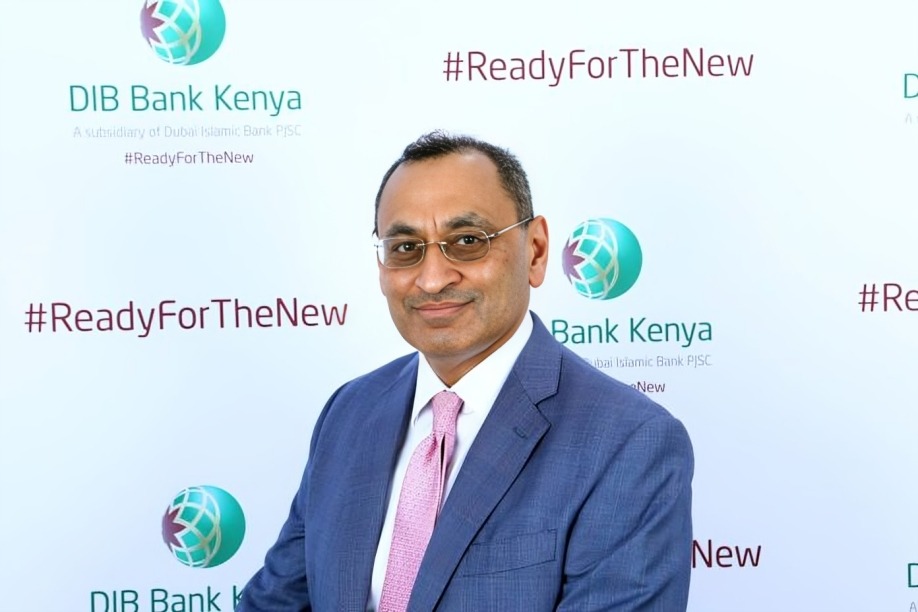
DIB Bank Kenya has ushered in a new era of leadership with the appointment of Samir Gupta as Chief Executive Officer and Managing Director. With over three decades of international banking experience, Gupta brings a wealth of expertise in building and scaling financial institutions across some of the world’s most dynamic markets. His career journey spans Asia Pacific, the Middle East, and Africa, equipping him with a deep understanding of diverse market needs, regulatory frameworks, and customer-centric innovation.

Gupta’s leadership philosophy is rooted in balancing growth with governance. He has successfully launched new banking verticals, managed large-scale transitions, and consistently delivered sustainable profitability while maintaining robust risk management practices. As a Certified Credit Officer, his approach reflects an ability to optimize risk-return outcomes across both developed and emerging markets. This positions him as a strong leader to guide DIB Bank Kenya in strengthening its Shariah-compliant financial solutions and market expansion efforts.

Prior to his appointment, Gupta held key leadership roles at leading financial institutions globally. At Doha Bank, he served as Chief International Banking Officer, driving growth strategies, operational excellence, and regulatory engagement across international markets. At Mashreq Bank, he led risk management frameworks and global financial institution coverage, managing a $7 billion risk asset portfolio and $160 million revenue stream. His leadership also extended to Standard Chartered, where he significantly grew client revenues and expanded structured product offerings across sub-Saharan Africa.

His earlier career reflects a strong foundation at Citi, where he spent over a decade in leadership roles spanning India, Asia Pacific, and Africa. As Unit Head & Business Manager at Citi Transaction Services, he oversaw the public sector business across Asia Pacific, enhancing operational efficiency and client service across multiple jurisdictions. At Citibank India, he was instrumental in the launch of SME Banking in 1994, an initiative that transformed the bank’s retail and institutional portfolio in the region.

Gupta’s educational background complements his professional achievements. He is an alumnus of The Ohio State University’s Fisher College of Business, where he earned an MBA in Finance and International Business. He also holds a Bachelor of Science degree from St. Stephen’s College, Delhi, and received his early education at Mayo College, Ajmer. His academic and professional journey reflects a balance of analytical rigor, financial expertise, and leadership development, which now underpin his vision for steering DIB Bank Kenya.

With his appointment, DIB Bank Kenya signals a renewed commitment to aligning Shariah-compliant principles with innovation, operational transformation, and customer-focused solutions. Gupta’s track record in strategic growth, digital transformation, and global banking positions him as the right leader to drive the institution into its next phase of expansion. Under his leadership, the bank is poised to strengthen its footprint in Kenya’s competitive banking sector and further cement its role as a trusted provider of ethical and innovative financial services.

Leadership #BankingExcellence #DIBBankKenya #SamirGupta #ShariahBanking #FinancialInnovation #StrategicGrowth #AfricaBanking #GlobalLeadership #CustomerCentricity

Airtel Africa Begins Construction on East Africa’s Largest Data Center

0

Airtel Africa has officially broken ground on the Nxtra Data Centre at Tatu City, which is set to become East Africa’s largest data facility. With a planned capacity of 44 megawatts, the center will be built in two 22MW phases and is designed to meet the increasing demand for cloud computing, artificial intelligence workloads, and local data processing solutions. Scheduled for full operations by the first quarter of 2027, this project places Kenya firmly in the spotlight as a regional leader in digital infrastructure.

The Nxtra Data Centre will feature high-density GPU-ready server racks, world-class security systems, and a 99.999% uptime guarantee, offering hyperscalers, enterprises, and government institutions reliable and scalable solutions. ICT Cabinet Secretary William Kabogo underscored the importance of this development, stating that the facility reflects strong confidence in Kenya’s policies, economy, and vision for a digitally enabled society. This signals a major milestone in Kenya’s efforts to position itself as a trusted hub for global and regional technology operations.

With increasing concerns about data sovereignty and the need for faster response times, the facility arrives at a crucial time when businesses and governments across Africa are seeking alternatives to overseas cloud services. By keeping data closer to home, the Nxtra Data Centre promises to enhance efficiency, improve service delivery, and reduce operational costs for local enterprises. This shift further cements Kenya’s transition from being primarily a consumer of digital services to an emerging provider on the global stage.

Beyond its technological edge, the facility is set to make a significant economic impact. The construction phase will generate hundreds of jobs, while long-term operations will create permanent technical and administrative positions. Airtel Africa has also committed to working with local suppliers and contractors, ensuring that capital circulates within Kenya’s economy and strengthens local industries.

Nxtra Africa CEO Yashnath Issur emphasized the project’s focus on sustainability and resilience, noting that the facility will be built to the highest global standards in energy efficiency and scalability. This commitment ensures that customers will have access to secure, next-generation technologies within an environmentally conscious and future-proofed infrastructure. Airtel Kenya’s Managing Director, Ashish Malhotra, further highlighted the project as transformative, promising reduced digital service costs and expanded opportunities for innovation.

The Nxtra Data Centre represents more than just an investment in infrastructure; it is a statement of intent about Kenya’s role in the future of digital transformation. By combining advanced technology, sustainable practices, and economic opportunity, this landmark facility will not only serve Africa’s digital needs but also attract global technology players to the region.

AirtelAfrica #NxtraDataCentre #KenyaTechHub #DigitalTransformation #DataSovereignty #CloudComputing #ArtificialIntelligence #KenyaEconomy #EastAfricaInnovation #DigitalInfrastructure

CBK Earns Prestigious Certification, Aligns with Global Standards

0

The Central Bank of Kenya (CBK) has achieved a new milestone by attaining the ISO/IEC 20000-1:2018 Certification for Information Technology Service Management (ITSM). This prestigious recognition places CBK among globally benchmarked institutions, underscoring its strong commitment to operational and service excellence. The certification marks a significant step in advancing the Bank’s governance and enhancing trust in Kenya’s financial system.

The certification journey began in March 2023 under the Bank’s 2021–2024 Strategic Plan, which prioritized operational excellence. It has since been seamlessly aligned with CBK’s 2024–2027 Strategic Framework under the pillar of service excellence. This structured approach highlights CBK’s long-term vision of embedding best practices into its operations to ensure efficiency, resilience, and sustainable growth.

By adopting the ISO/IEC 20000-1:2018 Standard, CBK has strengthened its strategic priorities in resilience, sustainability, digital transformation, and human capital development. The certification demonstrates that the Bank can consistently deliver value through internationally recognized service management processes, ensuring reliability, efficiency, and security in service delivery.

This achievement not only validates CBK’s commitment to world-class IT governance but also enhances confidence among key stakeholders, including government institutions, financial sector players, and the public. It positions the Central Bank as a trusted custodian of Kenya’s financial system while reinforcing its reputation on the global stage.

The ISO/IEC 20000-1:2018 Certification is a critical benchmark for organizations worldwide, confirming adherence to rigorous international standards. It provides several benefits, including improved service quality, risk reduction, alignment of IT services with business objectives, and enhanced efficiency in resource utilization. For CBK, it also creates a competitive advantage by showcasing its unwavering commitment to quality and innovation.

This recognition reflects CBK’s strategic vision of aligning global best practices with Kenya’s financial stability and technological advancement. It demonstrates the institution’s proactive approach in future-proofing its operations, ensuring service excellence, and setting a standard for other organizations across the region to emulate.

CentralBankOfKenya #ISO20000 #DigitalTransformation #OperationalExcellence #FinancialStability #Governance #Kenya #Sustainability #ITServiceManagement #CBK

Standard Group PLC Announces New Board Leadership Changes

0

The Standard Group PLC has announced significant leadership changes to its Board of Directors, marking a renewed focus on governance, innovation, and long-term strategic growth in the media industry. The appointments reflect the company’s commitment to strengthening its leadership framework as it navigates a rapidly evolving media landscape.

In a notice dated September 8, the company confirmed the appointment of Ms. Laila Denise Cherobon as a Non-Executive Director and Mr. Edward Mwasi as an Independent Non-Executive Director. These changes were made in line with the Capital Markets (Public Offers, Listings, and Disclosures) Regulations, 2023, ensuring compliance while reinforcing the board with fresh perspectives and expertise.

Ms. Cherobon, who currently serves as Chief Strategy Officer at the Standard Group, brings extensive experience in corporate transformation, media innovation, and strategic growth. Her leadership in fostering collaboration and innovation across African media houses has earned her recognition across the region. With a background in business management, project leadership, and strategic management, she is well-positioned to contribute to the company’s innovation and transformation agenda.

Mr. Mwasi, a veteran in media strategy and institutional transformation, also joins the board with over three decades of experience. His career spans editorial leadership, graphic design, and governance reform, with notable contributions at Nation Media Group and as CEO of the Kenya Yearbook Editorial Board. Mwasi has also played a critical role in strengthening governance structures across Kenya, training boards and commissions on applying technology to improve efficiency and decision-making.

Alongside these appointments, the Standard Group also confirmed the resignation of Mr. Albert Siegi, Ms. Christine Muthui, and Mr. Chris Otundo as Directors of the company. The board expressed gratitude for their dedication and exemplary contributions to the growth and stability of the organization, while wishing them well in their future endeavors.

With these leadership changes, the Standard Group demonstrates its readiness to enhance governance, embrace innovation, and strengthen its competitive position in both local and regional media markets. The addition of Cherobon and Mwasi to the board signifies a strategic step towards shaping a resilient, forward-looking media enterprise.

Leadership #MediaIndustry #CorporateGovernance #StrategicGrowth #Innovation #Kenya #BoardAppointments #StandardGroup

Co-operative Bank Achieves ISO/IEC 27001:2022 Certification

0

Co-operative Bank of Kenya has announced a significant milestone with its successful transition to the updated ISO/IEC 27001:2022 certification, awarded by the British Standards Institution (BSI). This achievement marks another step in the bank’s long-standing commitment to maintaining the highest standards of information security. Notably, Co-operative Bank was the first in East Africa to secure the ISO/IEC 27001:2013 certification back in 2014, underscoring its leadership in cybersecurity and risk management.

The ISO/IEC 27001 standard is globally recognized as the most trusted framework for establishing and managing robust information security management systems (ISMS). The 2022 update introduced enhanced measures to address modern cybersecurity challenges, including cloud operations, digital transformation, and sophisticated cyber threats. By attaining this certification, Co-operative Bank has demonstrated its adaptability and preparedness to safeguard against today’s evolving digital risks.

According to Co-operative Bank’s Director of ICT & Innovations, Charles Washika, the certification reflects the bank’s sustained investment in protecting customer data and securing its systems. He highlighted how this milestone has strengthened the bank’s risk management framework, standardized information security policies across the organization, and enhanced incident response capabilities to mitigate potential threats.

The comprehensive audit conducted for the certification covered key security domains such as physical infrastructure safeguards, access controls, risk management protocols, change management processes, business continuity planning, and secure software development practices. These measures assure customers, regulators, and partners that the bank continues to uphold the most rigorous global standards in data protection and cybersecurity.

BSI’s IMETA Sales and Commercial Director, Ilias Karampoikis, emphasized that Co-operative Bank’s achievement demonstrates its forward-looking approach to cybersecurity. He noted that the certification signals the bank’s readiness to confront digital risks with globally recognized best practices, thereby reinforcing trust among its stakeholders and ensuring continued resilience in an increasingly digital financial ecosystem.

By securing the ISO/IEC 27001:2022 certification, Co-operative Bank has once again reaffirmed its leadership in cybersecurity within Kenya and the region. This accomplishment not only enhances confidence in the bank’s operations but also positions it as a trusted financial partner dedicated to safeguarding customer information while navigating the challenges of digital transformation.

Cybersecurity #InformationSecurity #CooperativeBank #KenyaBanking #DigitalTrust #ISO27001 #DataProtection #RiskManagement #Innovation #BankingTransformation

NCBA Bank, Water.org Partner to Digitize Kenyan Schools

0

NCBA Bank, in partnership with Water.org, has brought together over 100 private school owners in Naivasha to explore innovative solutions that will shape the long-term resilience and growth of Kenya’s education sector. The discussion centered on sustainability, digital banking, and risk management as critical enablers to help schools overcome challenges such as rising operational costs, increasing digital demands, and environmental pressures.

Schools are not only centers of learning but also vital contributors to Kenya’s economic and social fabric. They provide employment, support local enterprises, and nurture the next generation of leaders. Recognizing this, NCBA has reaffirmed its commitment to walking alongside education stakeholders by providing tailored financial and digital solutions that strengthen schools’ operations and secure their future.

Among the key offerings presented were NCBA Tills and ConnectPlus, designed to enhance efficiency and transparency in financial transactions. The Soma Plus school management platform was also highlighted, offering institutions a tool to streamline administrative processes and improve overall management capacity. Together, these solutions enable schools to run more efficiently while adapting to a rapidly digitizing world.

NCBA also emphasized its affordable Green and WASH (Water, Sanitation, and Hygiene) loans, which are designed to promote sustainability and improve essential infrastructure in schools. In addition, the bank provides protection through Bancassurance, as well as flexible asset financing and leasing options to ease upfront cost burdens for institutions seeking to expand or upgrade their facilities.

Through these initiatives, NCBA seeks to empower schools to be financially sustainable, digitally advanced, and adequately prepared to face future challenges. By equipping schools with practical tools and accessible financing, the bank is helping to ensure that educational institutions can continue to thrive despite the evolving landscape.

By working closely with Water.org and other partners, NCBA is positioning itself as a key driver of transformation in Kenya’s education sector. This collaboration underscores the power of partnerships in driving inclusive growth, enhancing sustainability, and empowering schools to shape a brighter future for Kenya’s learners and communities.

NCBABank #WaterOrg #EducationTransformation #DigitalBanking #Sustainability #Kenya #EdTech #FinancialInclusion #SchoolManagement #GreenFinance #PartnershipsForImpact