

back to top
Home Blog Page 21

Climate Tech Leaders Urge Fair Funding for Startups

0

Africa’s climate technology sector continues to attract significant global interest, yet experts warn that the flow of capital is highly concentrated and unevenly distributed. Speaking at the AfricArena Nairobi Climate Tech Summit 2025, Catalyst Fund Managing Partner, Maelis Carraro, emphasized that the climate crisis is intensifying across all sectors, creating both urgent risks and opportunities for innovation. She highlighted the stark reminder of the California wildfires in January 2025, which caused an estimated \$250 billion in damages, underscoring the global cost of inaction.

Carraro pointed out that while innovation is happening across mobility, crop insurance, and other critical areas, the bulk of climate tech investment in Africa is still concentrated in a handful of energy-focused companies. Between 2019 and 2025, 70% of disclosed climate tech funding in Africa went to just 20 companies, with d.light, Sun King, and Burn collectively receiving the majority share. In 2025 alone, energy dominated with 87% of climate tech funding, while agriculture and food—a cornerstone of African economies—captured only 3.4%.

She also expressed concern over the declining levels of pre-seed funding since 2023, warning that without adequate investment in early-stage startups, the pipeline of future climate solutions will weaken. While Series B and C funding is increasing, the sustainability of the sector depends on ensuring that young innovators receive the support necessary to grow into scalable businesses. Debt financing also made up 72% of Africa’s climate tech capital in 2025, largely skewed towards large-scale energy projects, limiting flexibility for emerging startups.

Despite these challenges, Carraro and other experts remain optimistic about Africa’s potential. The global market for climate adaptation and resilience is projected to grow to between \$500 billion and \$1.3 trillion annually from 2025 onward, creating enormous opportunities for African innovators. To capitalize on this, Carraro stressed the need for a uniquely African playbook for climate innovation—one that unlocks domestic capital, supports diverse solutions, and amplifies stories of real impact beyond funding headlines.

In parallel, global development players are also stepping up to bridge gaps in climate finance. The European Investment Bank’s development arm, EIB Global, signed technical assistance agreements with Ethiopia’s Zemen Bank SC, Dashen Bank SC, and Hibret Bank. These agreements aim to build the banks’ capacity to assess and manage climate-related risks, ensuring that financial institutions can drive investments that enhance resilience against floods, droughts, and other extreme weather events.

However, climate-related financial flows to Africa remain inadequate. Currently, the continent receives just 12% of the climate finance it requires to achieve its nationally determined contributions and meet 2030 climate targets. The call from climate tech experts is clear: equitable distribution of funds, greater investment in undercapitalized sectors like agriculture, and stronger support for early-stage startups are critical if Africa is to harness innovation and secure a resilient, sustainable future.

ClimateTech #AfricaInnovation #Sustainability #ClimateFinance #GreenInvestments #AfricArena #RenewableEnergy #ClimateAction

Safaricom Launches Bundles Supporting Kenya’s Vulnerable Transport Workers

0

Kenya’s transport economy is powered by millions of boda boda riders and ride-hailing drivers who work long hours under risky conditions, often without insurance or any form of social safety net. In a move to provide stability in this vital sector, Safaricom has launched innovative bundles that combine data, airtime, insurance, and even fuel discounts, addressing some of the key challenges faced by these workers.

The bundles are built through collaboration with several partners. Safaricom contributes its mobile network reach, while Nairobi-based insurance start-up Turaco provides health and life cover through its Tuunza Mapato plan. Shell stations extend fuel discounts, and ride-hailing platforms stand to benefit from drivers staying active and online. This collaborative effort is designed to create a holistic package that riders and drivers can practically use, unlike fragmented solutions offered in isolation.

At the heart of this initiative is insurance, a crucial safety net for riders and drivers who are highly exposed to accidents and health risks. The insurance plan allows them to pay weekly or monthly premiums in exchange for hospital cash payouts and funeral support for dependents. With over 2.4 million motorcycles in operation and tens of thousands of ride-hailing drivers, this could provide much-needed protection in a sector that generates nearly KES 1 billion in daily income.

Pricing options are designed to fit different earning levels. Riders can opt for daily bundles at KES 50 for airtime and data or choose comprehensive weekly and monthly packages that include insurance, such as KES 1,000 for 8GB of data, credit, and cover. Drivers have tailored packages priced at KES 2,000 a month, which include 25GB of data, KES 300 airtime, and insurance coverage. While these packages are more affordable than traditional insurance options, upfront costs remain a challenge for workers whose daily income is already stretched thin.

Affordability and trust are central to adoption. Riders interviewed emphasized that the true test will be in how quickly and fairly insurance payouts are processed. Many in the sector earn between KES 500 and KES 1,500 daily, making consistent contributions difficult. However, if payouts are efficient and transparent, these bundles could shift perceptions and build long-term trust in structured financial protection.

Although Safaricom’s bundles do not solve wider structural issues such as low earnings, high fuel costs, or poor road safety, they represent a bold step toward addressing the vulnerabilities of transport workers. By blending telecom services with insurance and fuel benefits, the initiative introduces a model of integrated support that could reshape how informal sector workers in Kenya access essential services.

Safaricom #TransportEconomy #BodaBoda #RideHailing #Kenya #InsuranceInnovation #DigitalInclusion #FinancialProtection #SocialImpact #FutureOfWork

Kenya turns to Astronomy to Attract More Tourists

0

Kenya is carving a unique niche in global tourism by positioning itself as a prime destination for astronomy enthusiasts, blending science, culture, and adventure to attract more visitors. The country’s pristine skies, equatorial location, and diverse landscapes provide an unparalleled environment for stargazing and celestial exploration. Tourism and Wildlife Cabinet Secretary Rebecca Miano emphasized this during the viewing of a total lunar eclipse in Samburu, describing astro-tourism as a new dimension to Kenya’s already vibrant tourism sector.

The government is developing astronomy-based tourism by drawing inspiration from global best practices, introducing experiences such as guided celestial tours, stargazing nights, educational workshops, and cultural performances. This strategic shift is designed to meet the modern traveler’s appetite for immersive and transformative journeys. Kenya’s ability to combine cosmic wonder with its rich cultural heritage, breathtaking landscapes, and iconic wildlife makes it stand out in Africa’s tourism landscape.

The Ministry of Tourism and Wildlife, together with its partners, launched the country’s first dedicated astro-tourism experience in Samburu, aligning it with the rare spectacle of the total lunar eclipse. The event marked a symbolic beginning for Kenya’s ambitions in astronomy-driven tourism, offering visitors an opportunity to witness the “Blood Moon” while immersed in the unique cultural and natural backdrop of Samburu County.

Kenya Tourism Board Chairman Francis Gichaba affirmed that astro-tourism is being shaped as a niche product to draw both domestic and international visitors into Kenya’s wild and remote landscapes. He highlighted how astronomy enthusiasts can enjoy breathtaking views of stars, planets, and celestial events, enriched by indigenous storytelling. The initiative is also expected to stimulate local economies by creating jobs in hospitality and opportunities for local artisans.

Hillary Kipkosgey, acting director-general of the Kenya Space Agency, noted that astro-tourism brings together science, heritage, and sustainability in a way that resonates with Kenya’s cultural traditions. Nomadic communities in arid savannah regions have historically looked to the skies during cultural ceremonies such as marriages, and this integration of heritage with astronomy adds authenticity to the experience. The approach not only highlights Kenya’s space ambitions but also ensures inclusivity of local communities in tourism growth.

By embracing astro-tourism, Kenya is diversifying its tourism offerings, boosting competitiveness, and creating new opportunities for employment and sustainable development. As global demand for immersive and meaningful travel experiences grows, Kenya’s foray into astronomy-based tourism positions the country as a destination where cosmic wonder meets cultural depth and natural beauty.

KenyaTourism #AstroTourism #SustainableTourism #SpaceAndScience #TourismInnovation #CulturalHeritage #VisitKenya #TravelAfrica

SERA.ai to Accelerate Health Policy Development in Kenya

0

Kenya has taken a bold step in advancing digital health governance with the launch of SERA.ai, the country’s first artificial intelligence-driven health policy support tool. Developed by Visortech Solutions in collaboration with Yemaya Health Advisory, the innovation is set to drastically reduce the health policy development cycle from several years to just a few months, enabling timely and responsive decision-making in the sector. The tool was officially introduced during a stakeholder workshop attended by Ministry of Health officials, policy makers, and health professionals.

SERA.ai, aptly named after the Kiswahili word for “policy,” leverages Large Language Models (LLMs) to process complex health data, generate actionable recommendations, and facilitate inclusive, data-driven policy discussions. It can draw insights from global and local sources such as WHO, PubMed, Kenya’s Ministry of Health, and stakeholder feedback, producing tailored and traceable recommendations for Kenya’s unique healthcare needs. The tool’s Minimum Viable Product (MVP1) has already received ethical clearance from Strathmore University for stakeholder testing.

One of the most pressing issues in Kenya’s health policy has been the lag between emerging evidence and policy implementation, particularly during emergencies like pandemics or disease outbreaks. Keynote speaker Dr. Nduku Kilonzo emphasized how delays in policy formulation often compromise the country’s ability to respond swiftly to urgent health threats. SERA.ai aims to bridge this gap by providing evidence-based insights that accelerate the policy-making process while maintaining transparency and reliability.

The tool comes equipped with advanced features such as document upload and query functions, automated referencing, and built-in stakeholder feedback mechanisms to allow continuous improvement. It is expected to play a transformative role in critical areas including antimicrobial resistance, maternal health, pandemic preparedness, TB management, and even budgetary policy processes. Importantly, SERA.ai is not designed to replace human judgment but to enhance it, empowering policymakers with accurate data and actionable intelligence.

Ethical AI usage has been placed at the core of this project. SERA.ai incorporates encrypted data systems, role-based access controls, and cultural sensitivity safeguards to ensure responsible deployment in Kenya’s diverse healthcare ecosystem. These measures highlight the developers’ commitment to balancing innovation with trust, inclusivity, and respect for patient and community needs.

The launch of SERA.ai signals a new era of proactive, evidence-based, and technology-enabled health policymaking in Kenya. By shortening decision-making cycles and improving policy quality, the tool holds the potential to strengthen the resilience of Kenya’s healthcare system and set a precedent for other countries exploring AI in public health governance.

KenyaHealth #ArtificialIntelligence #HealthPolicy #DigitalTransformation #InnovationInHealthcare #SERAai #AIforGood #HealthTechAfrica

I&M Bank Expands with New Branches in Kapsabet, Mombasa

0

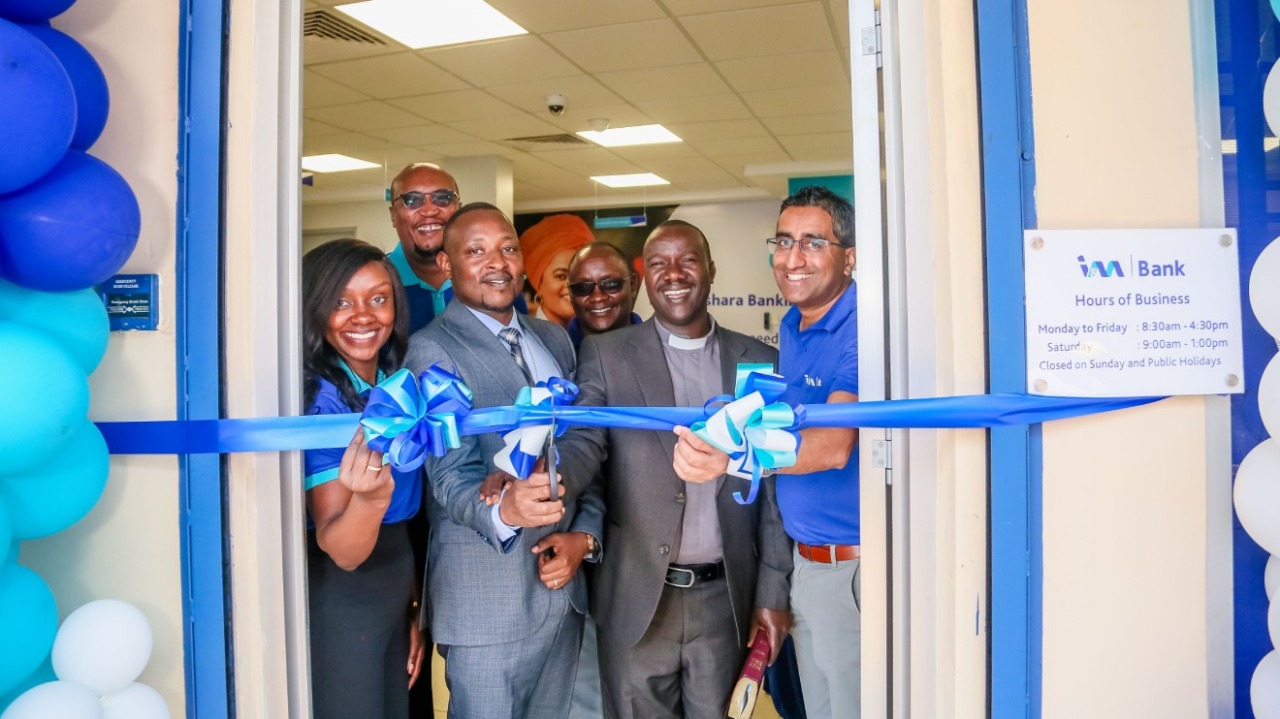
I&M Bank has expanded its footprint in Kenya with the opening of two new branches in Kapsabet, Nandi County, and Nyali, Mombasa County, increasing its branch network to 65 outlets across 24 counties. This strategic move underscores the bank’s commitment to bringing its services closer to customers in both agricultural and trade-driven regions.

The Kapsabet branch is strategically positioned to serve the North Rift’s vibrant agricultural value chains, including tea, maize, and dairy farming. In addition, it will cater to the growing base of small enterprises in the region. With specialized offerings such as agribusiness financing, equipment loans, and value chain credit facilities, the new branch is set to strengthen economic activity while promoting financial access for underserved communities.

Speaking during the launch, Shameer Patel, Director of Retail Business Banking at I&M Bank Kenya, emphasized the bank’s customer-centric strategy. He noted that Kapsabet town serves as a vital agricultural and commercial hub, making it an ideal location to support the local economy while enhancing the bank’s presence in high-potential markets. Patel added that the bank’s expansion model is guided by data, ensuring branches are opened in areas with strong growth opportunities.

The Mombasa expansion will further consolidate I&M Bank’s presence along the coast, enabling it to tap into trade flows through the port city. The Nyali branch, in particular, will serve the growing population of coastal entrepreneurs and businesses seeking modern banking solutions integrated with digital platforms. This move aligns with the bank’s wider strategy of targeting key trade corridors while enhancing customer convenience.

The bank has been on an aggressive branch rollout in 2024, having opened ten other outlets in locations including Mtwapa, Kawangware, ABC Mall, Kenol, Meru Makutano, Embu, Kericho, Bungoma, Kakamega, and Mwea. This expansion drive is part of I&M’s long-term vision of creating a robust nationwide network while complementing its digital banking channels.

I&M Bank has also emphasized sustainability and inclusion as part of its branch expansion. New outlets are being aligned with green financing solutions, financial literacy initiatives, and inclusive products designed to reach diverse customer segments. With this dual approach of physical presence and digital integration, I&M is strengthening its role as a key driver of economic growth in Kenya.

IMBank #Banking #FinancialInclusion #Agribusiness #TradeFinance #KenyaBusiness #BranchExpansion #NorthRift #Mombasa #EconomicGrowth #Sustainability

TSC Retains Position as Government’s Largest Employer

0

The Teachers Service Commission (TSC) has reaffirmed its position as Kenya’s largest public employer, according to new data from the Salaries and Remuneration Commission (SRC). The workforce under TSC expanded by 5.2 percent, rising from 390,400 in 2023 to 410,700 in 2024. This growth underscores the commission’s central role in shaping Kenya’s education workforce and its continued contribution to national employment.

The SRC bulletin highlighted that TSC not only remains the largest employer but also registered the highest growth rate in staffing. This expansion has played a key role in pushing Kenya’s overall public service workforce beyond the one million mark for the first time, reaching 1.023 million employees in 2024. Ministries and extra-budgetary institutions followed with 236,700 employees, while county governments accounted for 226,500 workers.

Despite the increase in employee numbers, the national wage bill is projected to decline relative to revenue in the third quarter of the 2024/2025 financial year. For the national government, the wage bill is expected to drop from Sh153.71 billion in Q2 to Sh130.79 billion in Q3, reducing the wage-bill-to-revenue ratio from 28.02 percent to 26.46 percent. County governments are also expected to see a decline, with the ratio dropping from 43.34 percent to 35.38 percent.

SRC attributed this trend to improved fiscal discipline within public institutions. While the overall wage bill continues to grow in absolute terms, its growth rate has slowed down compared to previous years. It rose by 4.8 percent in the 2022/2023 financial year and by 6.37 percent in 2023/2024, reflecting a more controlled approach to public expenditure.

In addition, SRC reported receiving 30 requests for new expenditures from various public institutions during the quarter, amounting to Sh411.7 million. Of this, Sh281.4 million, or 68.4 percent, was approved, with allowances and benefits taking the largest share at 76 percent. This shows a balanced approach toward meeting staff needs while maintaining financial prudence.

The latest figures not only reaffirm TSC’s importance in driving employment but also highlight Kenya’s broader efforts to balance workforce expansion with fiscal sustainability. As education continues to be a key pillar of national development, TSC’s role as the largest employer will remain central to both human capital growth and economic progress.

Kenya #TeachersServiceCommission #PublicService #Employment #Education #Workforce #FiscalDiscipline #SRC #KenyanEconomy #HumanCapital

Kenya Surpasses USA and UK in Property Investment Returns

0

Kenya’s property market is setting itself apart on the global stage, outperforming traditional investment hotspots like the USA, UK, Singapore, and Australia. According to the HassConsult International Investment Outperformance report, the Kenyan residential property market delivered a strong return of 7.8 percent in the year to June 2025, putting the country ahead of some of the world’s most established economies. This resilience highlights the strength and uniqueness of Kenya’s real estate sector.

Trailing Kenya, Australia recorded returns of 4.74 percent, followed by Singapore at 4.15 percent, South Africa at 3.3 percent, and the USA at just 2.38 percent. These figures underline the fact that Kenya has become one of the most rewarding destinations for property investors, with returns that significantly outpace leading global markets.

One of the critical factors driving Kenya’s property market is its unique financing model. Unlike in many international markets where mortgages dominate, less than 2 percent of homes in Kenya are financed through mortgages. This means that the majority of homeowners fully own their properties outright, making the market extremely resilient to economic shocks that often cause forced sales in heavily debt-driven economies.

Additionally, the rise in high-income earners across key sectors such as education, health, trade, agriculture, and banking has fueled consistent demand for housing. This demand continues to grow at a pace exceeding GDP growth, reinforcing Kenya’s position as an attractive real estate investment hub. With expanding opportunities, the property sector is becoming a critical driver of wealth creation.

At the same time, declining populations and slowing demand in Western and Eastern economies have contributed to stagnation in their property markets. In contrast, Kenya’s expanding population and growing economy continue to boost property value and rental yields. Rental yields in Kenya stand at 5.5 percent, which is above the global average, bringing total combined returns to 13.28 percent in the year to June 2025.

With robust returns, minimal mortgage exposure, and a strong demand base, Kenya is emerging as a model for property market resilience and growth. As global investors seek stable yet profitable opportunities, Kenya’s real estate sector is proving to be a compelling option that delivers both security and significant returns.

KenyaPropertyMarket #RealEstateInvestment #EconomicGrowth #AfricaInvestment #PropertyReturns #KenyaEconomy #InvestmentOpportunities #HousingMarket

Airtel Set to Roll Out Home Fibre Internet in Kenya

0

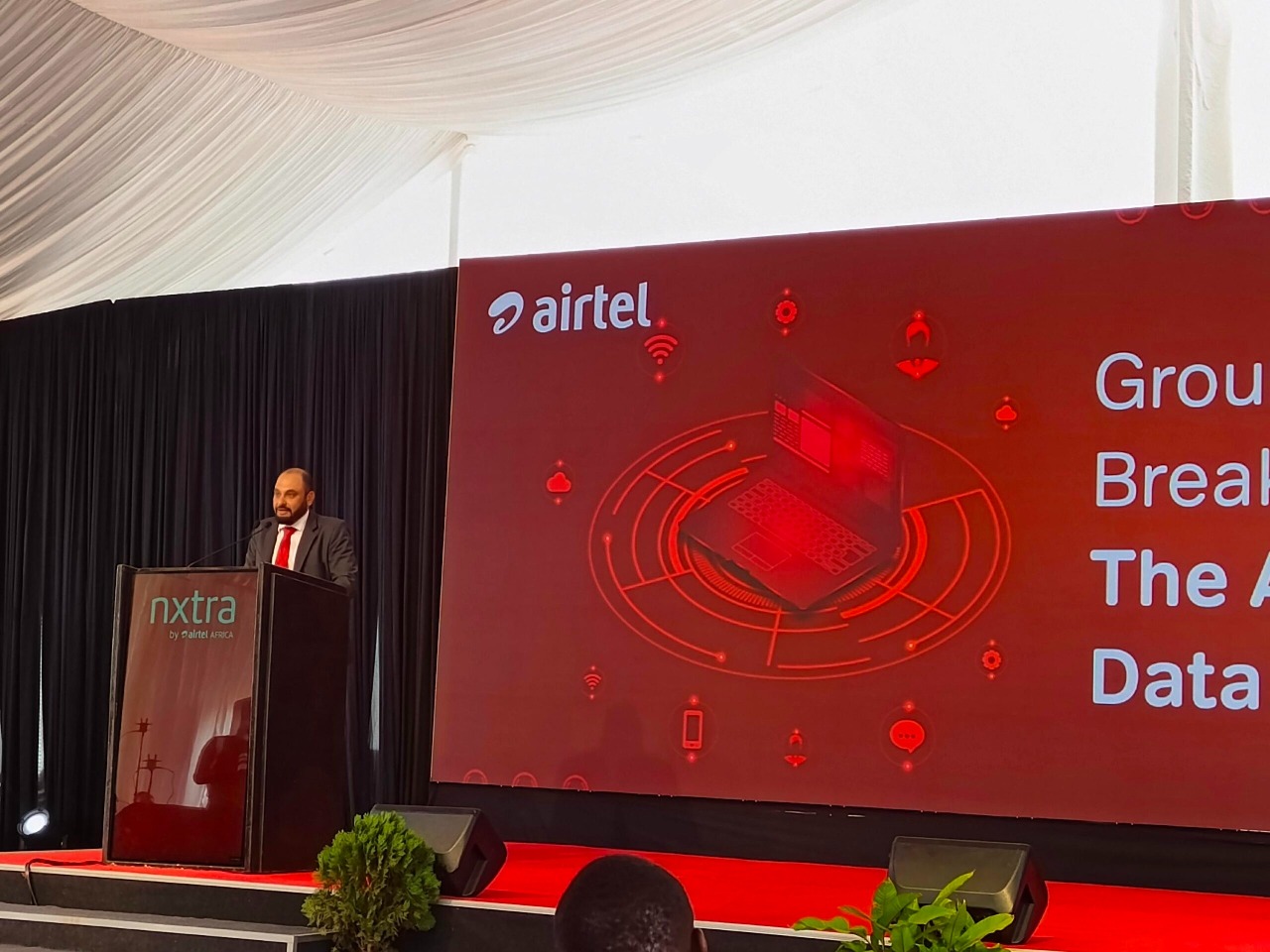
Airtel Kenya has confirmed its intention to enter the home fibre internet market, a move that could significantly reshape Kenya’s broadband landscape. The announcement came during the groundbreaking ceremony of East Africa’s largest data center in Tatu City, Nairobi, highlighting Airtel’s ambition to expand its digital infrastructure footprint in the region. This development positions Airtel as a direct challenger to established players in a highly competitive sector.

Although no official launch timeline has been released, Airtel has disclosed that its fiber-to-the-home (FTTH) service is actively in development, with details expected in due course. This step signals the telco’s long-term strategy to not only expand its connectivity solutions but also to respond to Kenya’s growing demand for reliable, high-speed internet access.

In the meantime, Airtel has enhanced its existing home broadband offering with the Airtel 5G Smart Connect device. This compact router leverages 3G and 4G LTE networks while delivering 5G speeds. Priced at KES 2,000 per month for unlimited 15 Mbps connectivity, the service comes with upgraded antenna technology for improved indoor coverage, offering customers strong value at a competitive rate.

One standout feature of the Airtel 5G Smart Connect is its ability to support up to 32 devices (16 on the X25 model), making it ideal for modern households with multiple internet-enabled gadgets. Additionally, the device includes a built-in battery backup capable of providing up to 5 hours of power, ensuring uninterrupted connectivity during frequent power outages—a feature that gives Airtel a unique edge over competitors.

The entry of Airtel into the fiber market is set to intensify competition against existing providers like Safaricom, Zuku, JTL, and several smaller ISPs. Safaricom dominates Kenya’s fiber space with extensive urban coverage, while Zuku’s cable infrastructure remains a stronghold in residential areas. Airtel’s entry will likely drive pricing competition and push service quality improvements across the board, benefitting consumers.

Kenya’s rapidly growing demand for high-speed internet—driven by the rise of remote work, digital service adoption, and increasing reliance on connectivity—creates a favorable environment for Airtel’s expansion. With its strong brand recognition, extensive mobile subscriber base, and proven track record in connectivity solutions, Airtel is well-positioned to capture significant market share once fiber services go live.

AirtelKenya #HomeFiber #DigitalKenya #BroadbandConnectivity #TelecomInnovation #InternetForAll #KenyaTech

Huawei Cloud launches DevOps and Big Data solutions in Kenya

0

Huawei Cloud has officially introduced its Big Data technologies and CodeArts DevOps platform in Kenya, marking a major step toward accelerating the country’s digital transformation journey. The launch took place during the Huawei Cloud TechWave Kenya Day in Nairobi, where key stakeholders from government, finance, e-commerce, media, and ICT gathered under the theme “Innovate Now, Ignite the Future.” The move underscores Huawei’s commitment to strengthening Kenya’s innovation ecosystem and building the foundations of a robust digital economy.

Frank Shi, Managing Director of Huawei Cloud Kenya, emphasized the company’s vision of transitioning from cloud-native to AI-native systems by embedding artificial intelligence across every infrastructure layer. He noted that Huawei’s 27-year presence in Kenya has laid the groundwork for deeper digital integration, with the goal of providing end-to-end software development tools to enterprises. His message was clear: the best time to develop cloud and AI capabilities in Kenya is now.

Globally, Huawei Cloud boasts an ecosystem of over 2,000 industry customers and 800 technology partners. By bringing this wealth of experience to Kenya, the company intends to foster collaborations with local enterprises, developers, and institutions. This localized approach ensures that Kenya can benefit directly from global best practices, while also adapting solutions to meet unique local challenges and opportunities.

A highlight of the event was the introduction of CodeArts, Huawei’s DevOps platform that integrates 28 tools designed to enhance efficiency, boost security, and automate software testing and deployment. Rex Xiao from Huawei Cloud presented case studies, including one from a Philippines-based internet company that achieved a tenfold increase in development efficiency after adopting CodeArts. These insights demonstrated the tangible value such platforms bring to organizations aiming to scale faster and more effectively.

Industry leaders at the event also highlighted how data, AI, and DevOps are driving transformation across sectors. Timothy Oriedo, CEO of Predictive Analytics Lab, pointed out their potential to reshape agriculture, fintech, and logistics by turning raw data into actionable insights. Ishaq Kassam of FinSense Africa further stressed the importance of DevSecOps in digital-first strategies, while Huawei engineers showcased how cloud-based DevSecOps accelerates e-commerce app rollouts with automated testing and monitoring.

Huawei Cloud reiterated its long-term commitment to the Kenyan market, highlighting how the integration of cloud, big data, AI, and DevOps will empower businesses to cut costs, innovate more efficiently, and scale solutions to meet growing demand. This strategic move positions Kenya not just as a consumer of technology but as an active player in the global innovation economy, with Huawei providing the tools and expertise to unlock its full digital potential.

HuaweiCloud #DigitalTransformation #Innovation #BigData #DevOps #KenyaTech #AI #CloudComputing #TechWaveKenya #FutureOfWork #KenyaInnovation #BusinessGrowth #AfricaTech

Kenya Rises Five Spots to 58th Globally in Startup Ranking

0

Kenya has achieved a significant milestone in the Global Startup Ecosystem Index 2025, climbing five places to secure the 58th position worldwide. This ranking places the country firmly among the top 100 business-friendly nations, cementing its growing reputation as a hub for innovation and entrepreneurship. The improvement from last year’s 63rd position marks Kenya’s first entry into the global top 60, underscoring its progress in strengthening the startup ecosystem.

The index, which evaluates 118 countries and 1,473 cities globally, measures key aspects such as startup activity, quality, and the overall business environment. Kenya’s rise in the rankings reflects strong ecosystem development and an increasingly favorable environment for startups to thrive. This growth signals that the country is becoming more attractive to investors and entrepreneurs seeking reliable markets in Africa.

On the continental scale, Kenya ranked second in Africa, just behind South Africa, which stood at 53rd globally. Egypt followed in third place at 65th, Nigeria in fourth at 66th, and Rwanda in fifth at 96th. This positioning highlights Kenya’s leadership in the region and its ability to consistently outperform other emerging economies on the continent. The achievement also emphasizes the country’s resilience and adaptability in an environment where innovation and technology drive economic transformation.

According to the report, Kenya recorded an impressive annual ecosystem growth of +33.5 percent, the highest among Africa’s top five countries. This growth rate showcases Kenya’s rapid strides in fostering innovation, supporting entrepreneurship, and building stronger frameworks that enable startups to scale. Such figures reflect not just statistical progress but a deeper transformation in the way businesses are created, nurtured, and expanded within the country.

Despite the East African region being cited as the slowest-growing sub-region in terms of business development, Kenya has consistently bucked the trend. Its upward trajectory demonstrates that with the right policies, investment, and talent pool, even challenging environments can give rise to thriving startup ecosystems. This resilience places Kenya as a prime destination for global investors looking for opportunities in Africa’s evolving business landscape.

The Global Startup Ecosystem Index 2025 reveals more than rankings; it highlights regions emerging as strong business hubs and those lagging behind. Kenya’s continued rise is a clear testament to its commitment to building an enabling environment for entrepreneurs, innovators, and investors. With sustained growth and the right strategic focus, Kenya is well on its way to becoming one of Africa’s leading startup powerhouses.

Kenya #StartupEcosystem #Innovation #Entrepreneurship #BusinessGrowth #Investment #Africa #GlobalStartupIndex #EconomicDevelopment #TechEcosystem