
Kenya has reaffirmed its commitment to advancing the responsible use of Artificial Intelligence (AI) in the defence and security sectors, stressing that emerging technologies must be harnessed to promote peace, stability, and the protection of human dignity. Speaking at the Africa Regional Consultation on Responsible AI in the Military Domain (REAIM) in Nairobi, Defence Cabinet Secretary Soipan Tuya emphasized the need for Africa to play an active role in shaping global frameworks for military AI. She highlighted Kenya’s AI Strategy 2030, which provides a roadmap for integrating AI into national development while safeguarding against misuse in sensitive areas such as defence.
The consultation brought together regional and international stakeholders, with contributions from the Netherlands, the Republic of Korea, and Spain, alongside support from the United Nations Institute for Disarmament Research (UNIDIR). Leaders underscored the importance of collaboration, shared responsibility, and the active involvement of civil society, academia, and youth in AI governance. Maj. Gen. Joyce Sitienei of the National Defence University-Kenya urged Africa to become an “active architect” of ethical frameworks for military AI while applauding Kenya Defence Forces and international partners for their role in organizing and supporting the forum.
International partners echoed Kenya’s leadership in advancing AI governance. Ambassadors from Korea, the Netherlands, and Spain highlighted AI’s potential in defence applications such as decision-making, logistics, and situational awareness, while warning of risks like loss of human control, disinformation, and erosion of trust. They emphasized that innovation must be accompanied by accountability to ensure AI contributes positively to global peace and security. Spain further announced that it will host the third global REAIM Summit later this year, providing another platform to translate agreed principles into concrete global actions.
The Nairobi consultation underlined the urgency for Africa to build capacity, strengthen regional cooperation, and engage diverse voices in shaping the future of military AI. With Kenya positioning itself as a regional leader in digital transformation through its AI Strategy 2030, the forum marked a significant step in ensuring ethical, human-centered AI practices remain aligned with international law and values. Supported by global partnerships, the event reinforced the importance of trust, transparency, and collective responsibility in managing AI for peace and security.
Kenya Reasserts Commitment to Responsive AI Defense

Poa Internet Raises $4M to Expand Affordable Broadband Access

poa! internet has taken a significant step forward in its mission to expand affordable broadband access across Kenya after securing a US$4 million debt investment from Finnfund. This funding will enable the Nairobi-based internet service provider to scale its network further using fiber infrastructure supplied by Nokia. The investment reflects a strong commitment to bridging the digital divide by ensuring that households and small businesses in underserved areas can access reliable, low-cost internet services that were previously out of reach.
Finnfund, an impact investor backed by the State of Finland and its export credit agency, highlighted that the financing, supported by the European Union and the European Fund for Sustainable Development Plus, aligns with its vision of advancing digital inclusion and economic empowerment in Africa. By channeling resources into companies like Poa Internet, Finnfund is playing a vital role in enabling affordable internet access, a key driver of economic participation and social advancement in the modern economy.
With its innovative approach to pricing and expansion, Poa Internet has emerged as a leading player in Kenya’s broadband market, holding about 13% market share according to the Communication Authority of Kenya. The company added more than 23,000 subscribers in the quarter ending June, fueled by demand in Nairobi’s satellite estates and informal settlements. Poa’s business model of unlimited, affordable broadband is gaining momentum as it fills the gap left by larger providers who often overlook lower-income areas.
This milestone also comes at a time when global attention is being drawn to the impact of digital connectivity in local communities. Earlier this year, Finnish President Alexander Stubb and his spouse Suzanne Innes-Stubb visited Kawangware, one of Poa’s operating areas, to witness firsthand how broadband access is transforming lives. With the backing of Finnfund and advanced fiber solutions from Nokia, Poa Internet is well-positioned to drive inclusive digital growth, empower small businesses, and unlock opportunities in education, healthcare, trade, and public services across Kenya.
M-TIBA Awarded Prestigious Blue Company Certificate
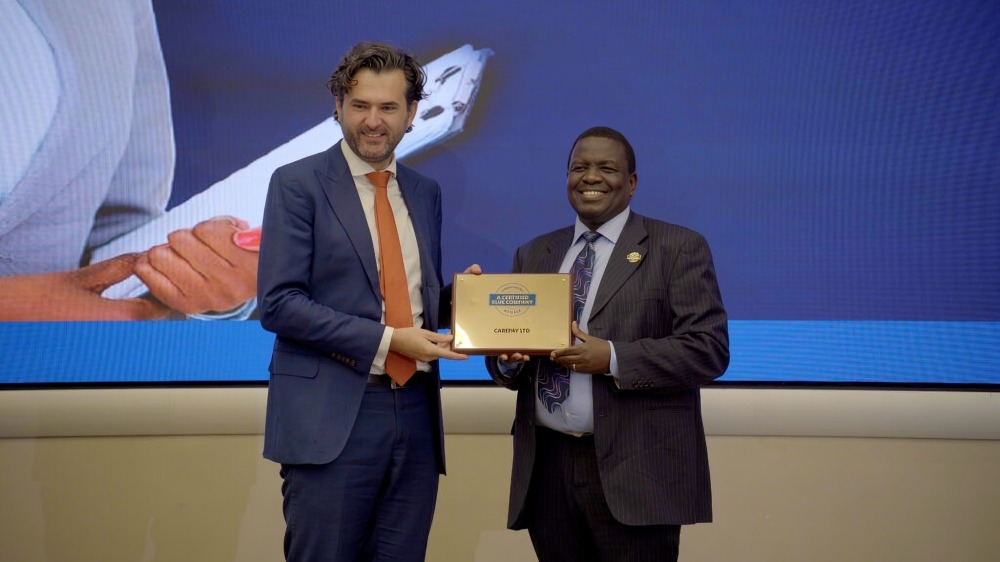
M-TIBA, Kenya’s leading health insurance technology platform, has been awarded the prestigious Blue Company Certification, marking a significant milestone in its journey of fostering integrity and ethical business practices. By achieving this recognition, M-TIBA now joins a network of over 650 organizations across diverse sectors that are committed to upholding the highest standards of ethical conduct, transparency, and accountability in the private sector. This milestone underscores the company’s role in championing a culture of trust within Kenya’s rapidly growing Insurtech ecosystem.
The Blue Company Project is a collaborative initiative that rallies private sector players to embed integrity into their operations, governance, and culture. For M-TIBA, this recognition reflects a deep commitment to embedding trust and ethical principles across its technology and business practices. Pieter Prickaerts, Group CEO of CarePay International and M-TIBA, highlighted that “going Blue” goes beyond compliance — it strengthens partnerships with insurers, builds a foundation of trust, and ensures health insurance becomes more accessible, intuitive, and impactful for Kenyans.
This certification comes shortly after M-TIBA achieved ISO/IEC 27001:2022 certification for its Information Security Management System. The ISO certification, issued by an independent international body, ensures that M-TIBA’s systems are continually audited to align with global best practices in data security, compliance, and information management. Together, these two certifications highlight M-TIBA’s dual focus on both technological excellence and ethical leadership, further positioning the company as a trusted enabler of healthcare access in Kenya.
Speaking during the certification event, Dr. Julius Kipngetich , Advisory Board Member of the Blue Company Project, emphasized that M-TIBA’s inclusion in the network is a testament to the growing momentum of organizations advancing integrity within the private sector. He noted that the collective efforts of like-minded organizations will accelerate Kenya’s shift toward a more ethical, transparent, and trusted business environment. By attaining this recognition, M-TIBA not only reinforces its brand as a leader in ethical innovation but also contributes to shaping a stronger, more accountable ecosystem for the future of healthcare and insurance in Kenya.
Kenya Implements Transparent Credit Pricing Framework Effective September 2025

The Central Bank of Kenya (CBK) has introduced a revised Risk-Based Credit Pricing Model (RBCPM) for the banking sector, marking a significant step in fostering greater transparency and accountability in lending. Following an extensive consultation process that began in April 2025, the new framework is designed to promote responsible credit practices by directly linking loan pricing to a borrower’s specific risk profile. This approach ensures that credit costs are more reflective of actual risk, while also protecting borrowers through clear disclosure of charges.
A major highlight of the revised model is the adoption of the Kenya Shilling Overnight Interbank Average (KESONIA) as the new reference rate. KESONIA, a formal renaming of the overnight interbank average rate, brings Kenya’s financial markets in line with global benchmarks such as the UK’s SONIA and the US’s SOFR. The lending rate will now be calculated as KESONIA + Premium (“K”), where the premium incorporates a bank’s operational costs, shareholder returns, and the borrower’s individual risk profile. This structured approach aligns Kenya’s credit system with international standards while strengthening market integrity.
The implementation timelines are also clearly set out. The revised RBCPM will apply to all new variable rate loans beginning September 1, 2025, while existing variable rate loans will transition to the new model by February 28, 2026. This phased approach provides banks and borrowers with a smooth transition period, ensuring that the change is adopted effectively without disrupting ongoing lending operations. Importantly, the framework not only sets rules for calculation but also enforces transparency across the sector.
All banks will now be required to publish their weighted average lending rates, premiums, and applicable fees for each loan product both on their websites and on the official Total Cost of Credit portal. To reinforce accountability, CBK will publish the daily KESONIA rate on its website, ensuring borrowers can track the benchmark themselves. This new model signifies a decisive move towards a more open, predictable, and borrower-friendly credit environment, ultimately contributing to a stronger and more resilient financial sector in Kenya.
Kenya, Kuwait to Sign MOU on Digital Transformation Cooperation
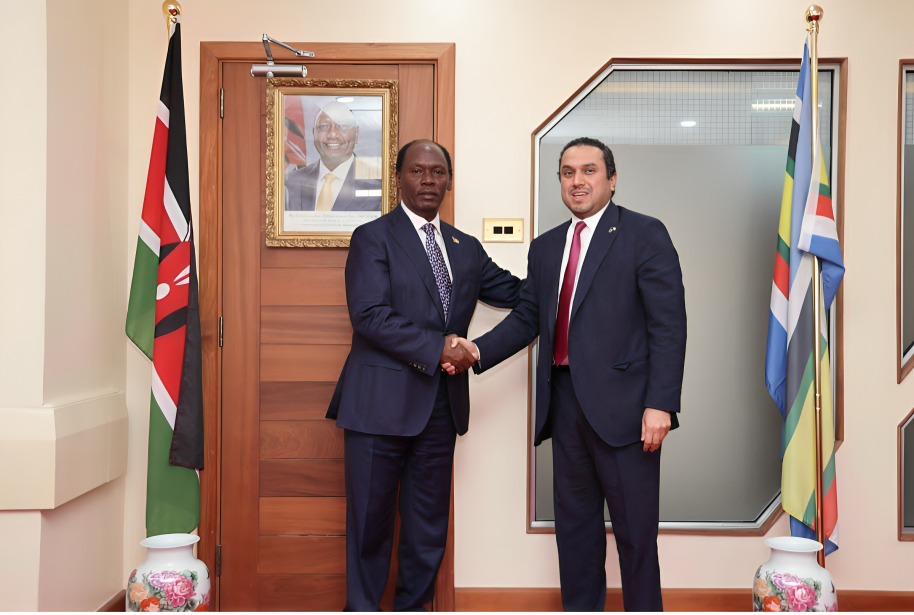
Kenya has taken another strategic step in advancing its digital economy through a new partnership with Kuwait. Hon. William Kabogo Gitau announced the collaboration following a meeting with Kuwait’s Charge d’Affaires in Nairobi, Mr. Abdullahi Al-Fahad. The discussions focused on strengthening cooperation between the two nations in digital transformation, with plans to jointly develop digital training programs and build capacity in technology-driven sectors.
The partnership is expected to be formalized through a Memorandum of Understanding (MOU) covering a broad range of sectors including ICT, Health, Transport, and Labour. This framework highlights the commitment of both Kenya and Kuwait to not only drive digital transformation but also ensure that the benefits extend across multiple industries. The MOU will serve as a foundation for knowledge-sharing, innovation, and the development of digital solutions that address both national and regional challenges.
This collaboration is closely aligned with Kenya’s ambitious digital transformation agenda. Key initiatives under this agenda include the installation of 100,000 kilometers of high-speed fiber optic cable, the rollout of 1,450 digital hubs nationwide, and the expansion of digital literacy programs. By partnering with Kuwait, Kenya is tapping into new opportunities for resource mobilization, skills development, and international cooperation that will further accelerate the country’s digital inclusion goals.
Beyond technology, the initiative also strengthens the long-standing diplomatic relationship between Kenya and Kuwait. It demonstrates how international partnerships can play a critical role in advancing shared goals of economic growth, innovation, and job creation. As Kenya continues to position itself as a digital leader in Africa, collaborations of this nature are essential in building a robust ecosystem that benefits both nations and contributes to sustainable development.
Safaricom Launches First Innovation Day for Enterprises
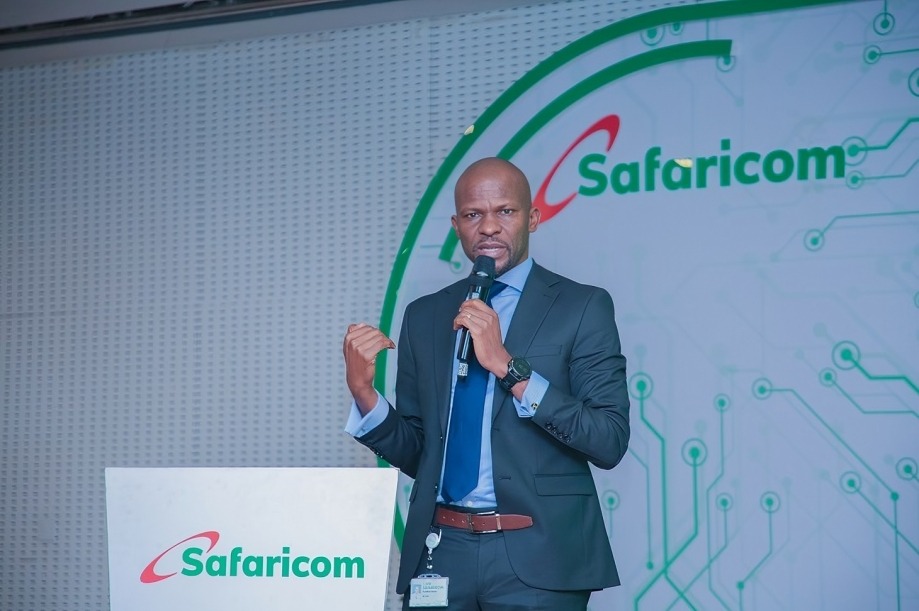
Safaricom PLC has officially hosted its flagship Innovation Day under the theme “Powering What’s Next: AI, Resilience & Sustainable Innovation.” The event brought together at least 100 decision-makers, technology partners, and enterprise customers, reaffirming Safaricom’s ambition to evolve into Africa’s leading purpose-led technology company within the next five years. The forum served as a platform to highlight the company’s innovation-driven approach and its role in shaping the future of enterprise in Kenya.
The discussions during the event centered on critical areas of digital transformation, including artificial intelligence, cybersecurity, Internet of Things, and cloud solutions. By showcasing readiness to deliver secure, scalable, and AI-powered solutions, Safaricom positioned itself as more than just a connectivity provider. It emphasized its growing capacity to deliver future-proof technologies that empower businesses to adapt, innovate, and thrive in an increasingly digital economy.
Safaricom also used the occasion to reiterate its commitment to being a trusted partner for enterprises on their digital transformation journey. According to Ag. Chief Enterprise Business Officer Frankline Okata, businesses across Kenya and beyond are seeking reliable partners capable of providing cutting-edge yet sustainable digital tools. Safaricom’s focus on resilience and sustainability signals its intent to address both immediate needs and long-term challenges in the enterprise sector.
The Innovation Day not only marked an important milestone but also reinforced Safaricom Business’ promise to power enterprise growth across the country. By positioning itself as a strategic digital transformation enabler, the company has sent a strong message that its future lies in providing holistic technology solutions rather than solely offering connectivity. This bold repositioning cements Safaricom’s role in driving Kenya’s innovation agenda while preparing businesses to be resilient, competitive, and sustainable in the digital era.
Volkswagen Resumes Kenyan Assembly Operation, Targets Local Market
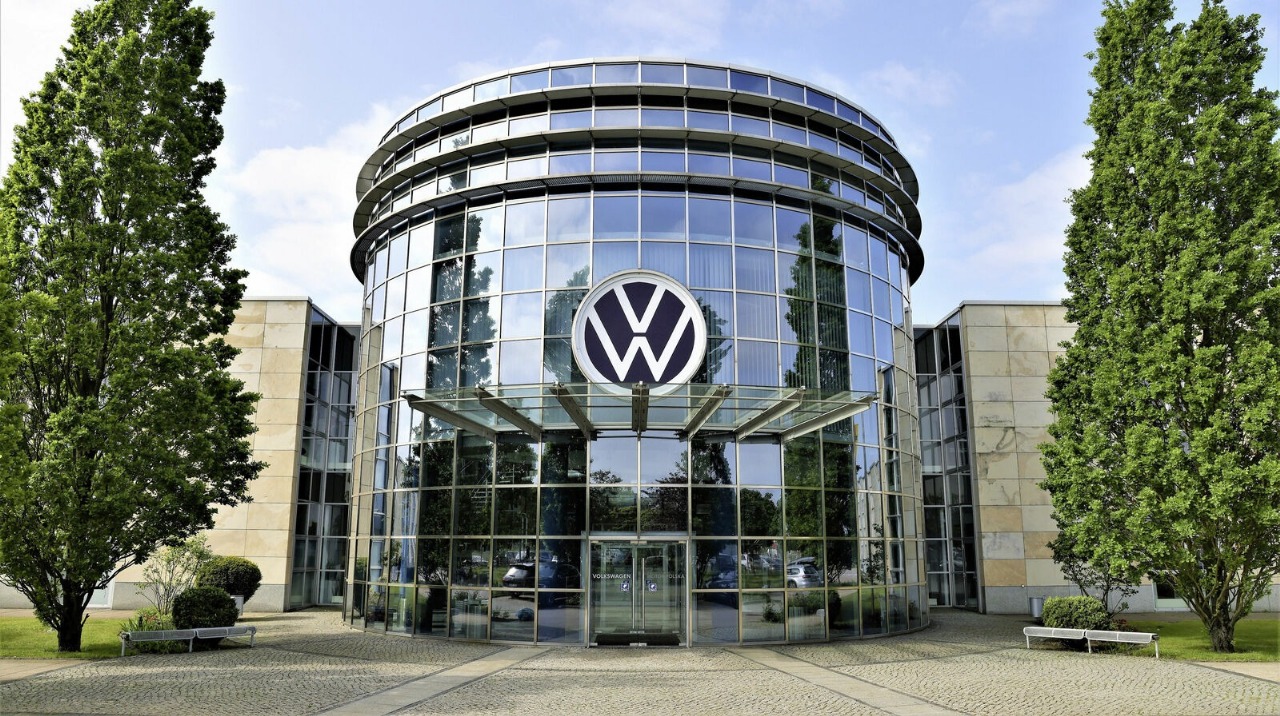
Kenya Vehicle Manufacturers (KVM) has resumed production of Volkswagen models at its Thika plant, marking a significant milestone in Kenya’s automotive industry. The renewed partnership between Kenya and Germany signals a fresh attempt by the German auto giant to reclaim market share in a sector largely dominated by used imports. With the assembly of models such as the Touareg, Tiguan, and T-Cross, this development underscores Volkswagen’s strategy to strengthen its presence while contributing to Kenya’s industrialization goals.
This renewed rollout comes nearly a decade after Volkswagen’s earlier effort with the Polo Vivo struggled to gain traction, hindered by low volumes and stiff competition from secondhand vehicles. By introducing a broader lineup of vehicles, Volkswagen is positioning itself more strategically to meet the rising demand for new cars in Kenya. The company’s decision reflects a long-term commitment to the market and highlights its confidence in the country’s growing automotive sector.
The Thika facility, which already produces Mercedes-Benz trucks, Tata units, and locally built electric buses, is now expanding its portfolio to include Volkswagen. This expansion is expected to create jobs, strengthen technical expertise, and open opportunities for local parts suppliers. More importantly, it supports Kenya’s push to establish itself as a regional hub for vehicle assembly, boosting local manufacturing capacity while reducing dependency on imports.
Volkswagen’s investment also aligns with its global strategy of offsetting challenges in North America and Europe by tapping into emerging markets. By scaling operations in Kenya, the company not only meets local demand but also sets the stage for regional distribution across East Africa. This initiative highlights the broader economic impact of automotive assembly, creating value chains that benefit businesses, workers, and consumers alike.
Safaricom 5G Fuels Kenya’s Largest Gaming, Culture Festival

The 2025 Otamatsuri Gaming Convention brought together hundreds of gaming enthusiasts at the Kenyatta International Convention Centre (KICC), transforming the venue into a vibrant hub of competition, creativity, and culture. The annual event, now one of Kenya’s most anticipated pop culture festivals, showcased the growing influence of gaming and entertainment in the country, featuring tournaments, cosplay, music, and diverse performances that drew in a youthful and energetic crowd.
Safaricom PLC played a pivotal role in powering this year’s event by providing 5G connectivity, ensuring that gamers experienced seamless online interactions with low latency and reliable speeds. The enhanced network made competitive gameplay more immersive and interactive, demonstrating the role of advanced connectivity in driving Kenya’s fast-growing e-sports and gaming culture. Safaricom emphasized that its support goes beyond speed, focusing on enabling experiences, connecting communities, and strengthening Kenya’s entertainment landscape.
The highlight of the convention was an electrifying LAN Party, where participants engaged in an all-night marathon of gaming across various genres. With blazing-fast 5G-backed connectivity, gamers brought their own PCs and consoles to compete head-to-head in nonstop action, creating an atmosphere that was equal parts tournament and festival. This immersive experience underscored how technology and culture intersect to foster vibrant, community-driven events in Kenya’s entertainment scene.
The convention not only showcased the rapid growth of Kenya’s gaming industry but also highlighted its broader cultural significance. Veteran gamers reflected on the evolution of the scene, attributing much of the progress to reliable internet connectivity that has enabled the rise of e-sports locally. With thousands in attendance, Safaricom’s network powering the experience, and growing interest from the community, Otamatsuri has reaffirmed itself as a major platform for gaming, anime, and pop culture in Kenya.
Bitget Broadens Kenyan Access to Tokenized Stocks, RWAs
Bitget has introduced tokenized stocks to the Kenyan market, giving traders access to leading U.S. companies such as Apple, Tesla, and Amazon through its Onchain platform in partnership with xStocks. This innovation enables Kenyan investors to bypass traditional brokerage channels and directly engage with global equities in a secure, blockchain-powered environment.
Through this rollout, Kenyan traders can now invest in over 100 tokenized assets, including equities, exchange-traded funds (ETFs), and money market funds. By leveraging tokenization, Bitget is lowering barriers to entry through fractional ownership, enabling broader participation in global markets. Investors will also benefit from 24/7 trading and the ability to transact in Kenyan shillings without facing forex restrictions.
Bitget has further strengthened its global positioning by joining Ondo Finance’s Global Markets Alliance, a coalition that is standardizing tokenized securities and driving adoption of real-world assets (RWAs). This step underscores the exchange’s commitment to making diversified, borderless investment opportunities accessible to emerging markets such as Kenya, while also promoting innovation and financial inclusion.
According to Bitget CEO Gracy Chen, tokenization represents the next frontier in finance by opening doors for everyday investors to access Wall Street with greater ease. With this integration, Bitget aims to empower Kenyan traders with the tools and opportunities to diversify their portfolios and tap into international markets in ways that were previously out of reach.
Carol Koech Appointed Vice President for Africa at GEAPP
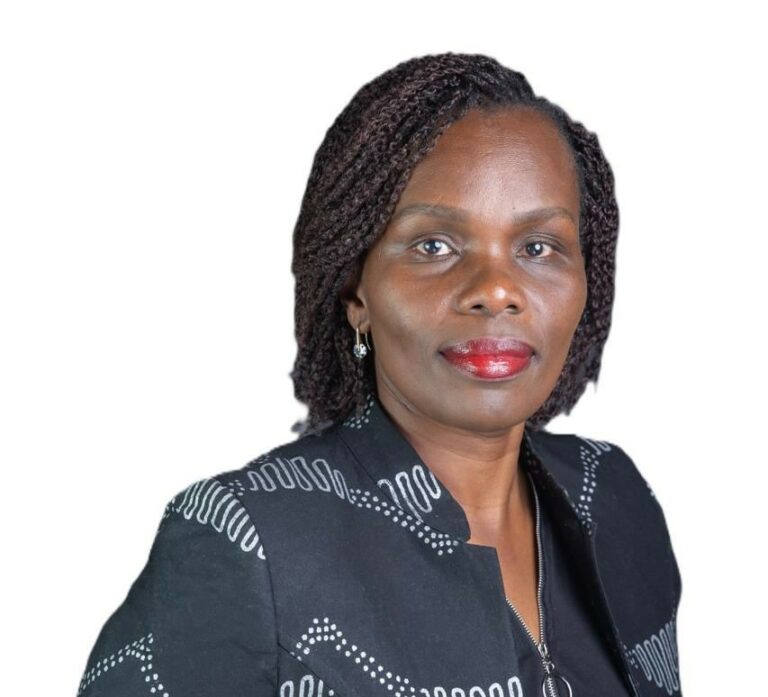
The The Global Energy Alliance for People and Planet (GEAPP)) has appointed Carol Koech as its new Vice President for Africa, effective 1st August. Carol, who previously served as Schneider Electric’s Country President for East Africa and most recently as Strategy Director for Sustainability and Thought Leadership, brings over two decades of experience in driving energy access, private-sector transformation, and sustainable leadership across Africa. In her new role, she will lead GEAPP’s mission of expanding clean energy access and accelerating green growth across the continent.
Her appointment comes at a critical time when over 600 million people in Sub-Saharan Africa still lack access to electricity. With her leadership, GEAPP aims to strengthen its presence in Africa, leveraging blended finance mechanisms and country-led strategies to expand access to clean, reliable energy. This aligns with GEAPP’s broader mission to become a clean energy superpower for Africa, empowering governments, businesses, and communities through sustainable energy solutions that drive inclusive economic growth.
Carol’s proven record in building impactful partnerships, scaling energy access solutions, and shaping sustainability strategies positions her as a transformative leader for GEAPP. At Schneider Electric, she spearheaded initiatives that provided energy access to more than 50 million people globally, expanded operations across East Africa, and championed inclusive and sustainable growth. Her expertise will be instrumental in advancing GEAPP’s ambitious agenda, particularly through initiatives like Mission 300, which aims to connect 300 million people in Sub-Saharan Africa to electricity by 2030 while creating jobs and stimulating enterprise growth.
GEAPP CEO Woochong Um has described Carol’s appointment as a powerful step forward for the Alliance’s impact in Africa, highlighting her ability to lead through complexity and deliver transformative results. With the combined strength of public, private, and philanthropic partners including the World Bank, African Development Bank, and the Rockefeller Foundation, Carol’s leadership will play a pivotal role in ensuring Africa achieves a just energy transition and unlocks its full potential for green growth.
