
Google has introduced AI Mode in Search for users in Kenya, Nigeria, and South Africa, marking a significant step in transforming how people interact with information online. AI Mode is designed to handle complex, multi-part queries by delivering intuitive responses, enabling users to explore topics in greater depth. This new feature is powered by a custom version of Google’s Gemini 2.5 model, which brings advanced reasoning, contextual understanding, and multimodal inputs into the Search experience. By doing so, Google is reimagining how users discover, process, and engage with content on the web.
One of the standout features of AI Mode is its ability to break down detailed queries into subtopics using advanced reasoning and query fan-out techniques. This ensures users gain access to hyper-relevant content across a wide range of sources, making research and exploration more efficient. In addition, AI Mode’s multimodal capabilities allow users to interact naturally through text, voice, or images, expanding the accessibility of Search. For example, users can simply upload a photo or use voice commands to explore information, making the experience more seamless and user-friendly.
A core principle of AI Mode is to ensure users can still access the best of the open web. AI-powered responses prominently feature links to relevant sources, giving users opportunities to discover new content and spend more time engaging with diverse websites. Data from AI Overviews has already shown that AI-driven search experiences increase the range of sites users visit, reinforcing Google’s commitment to supporting the open web ecosystem. Importantly, when confidence levels in AI results are low, the system will default to traditional search results, maintaining reliability and accuracy.
The rollout of AI Mode begins immediately and will be available as a new tab on Search results and within the Google app for both Android and iOS. This launch highlights Google’s continued focus on innovation in Africa, responding to the region’s growing demand for tools that support curiosity, learning, and exploration. By introducing AI Mode, Google is not only improving the way users search but also empowering them with smarter, more intuitive, and more engaging ways to connect with the information that matters most.
Google Launches AI Search Mode in Kenya, Nigeria, SA

Lauritz Knudsen, Global Electrical Firm, Expands into Kenya
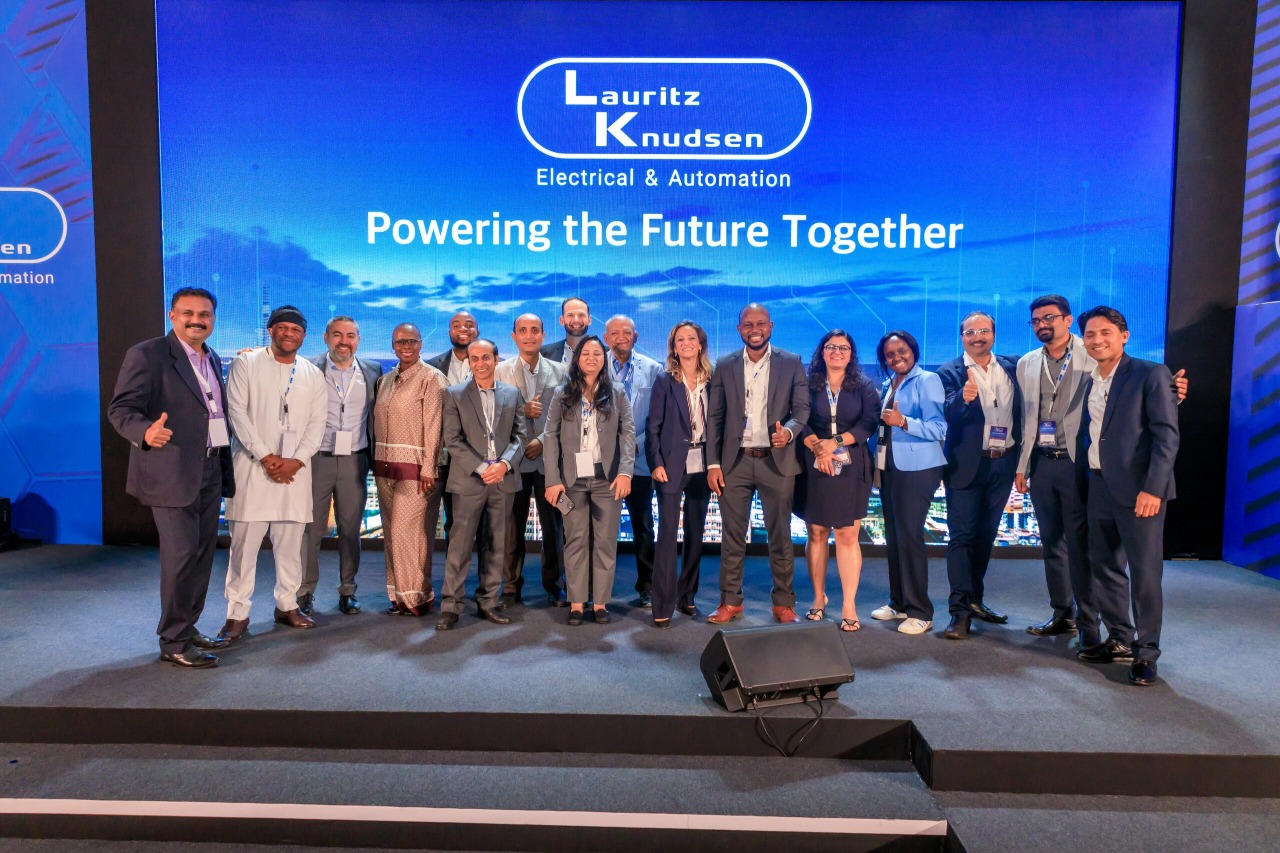
Lauritz Knudsen Electrical & Automation Company has officially launched its operations in Kenya, marking a significant step in the country’s journey toward smarter, greener, and more connected infrastructure. With a legacy spanning over 70 years and operations across more than 30 countries, the company is bringing advanced low-voltage switchgear, next-generation industrial automation, and intelligent energy solutions tailored to Kenya’s dynamic urban and industrial growth. The move positions Lauritz Knudsen as a key player in supporting Kenya’s push for sustainable development, smart infrastructure, and innovative technology adoption.
During the launch at the JW Marriott Hotel in Westlands, Nairobi, Lauritz Knudsen’s Chief Operating Officer, @Neresh Kumar, emphasized the company’s commitment to delivering world-class expertise to meet Kenya’s growing demand for smart and efficient electrical systems. Country President Ifeanyi Odoh highlighted Kenya’s rapid urbanization and infrastructure expansion as the perfect environment for the company to introduce its globally recognized solutions. By aligning with Kenya’s industrialization and energy transformation agenda, Lauritz Knudsen aims to provide high-quality products and services that strengthen the country’s role as a hub for innovation and growth.
The company’s portfolio extends across key sectors, including energy, mobility, agriculture, and urban development. Lauritz Knudsen plans to roll out comprehensive EV charging infrastructure, intelligent energy management systems, and smart home technologies that support cleaner transportation and efficient energy use. In agriculture, its solutions will enable remote monitoring, water conservation, and improved productivity, offering farmers tools to optimize resources and build resilience against climate change. These innovations are set to reduce emissions, lower energy costs, and improve efficiency for households, businesses, and industries alike.
By entering the Kenyan market, Lauritz Knudsen not only reinforces its global reputation for innovation and quality but also commits to fostering knowledge exchange, building distribution partnerships, and supporting Kenya’s long-term vision for industrial growth. The company’s expansion underscores its belief in Kenya’s entrepreneurial spirit and commitment to sustainable development. With its advanced technologies and expertise, Lauritz Knudsen is poised to play a vital role in shaping Kenya’s future as a leader in smart energy, industrial automation, and sustainable infrastructure.
Joshua Oigara Named Regional Chief Executive for Stanbic Bank EA, Effective September 1st
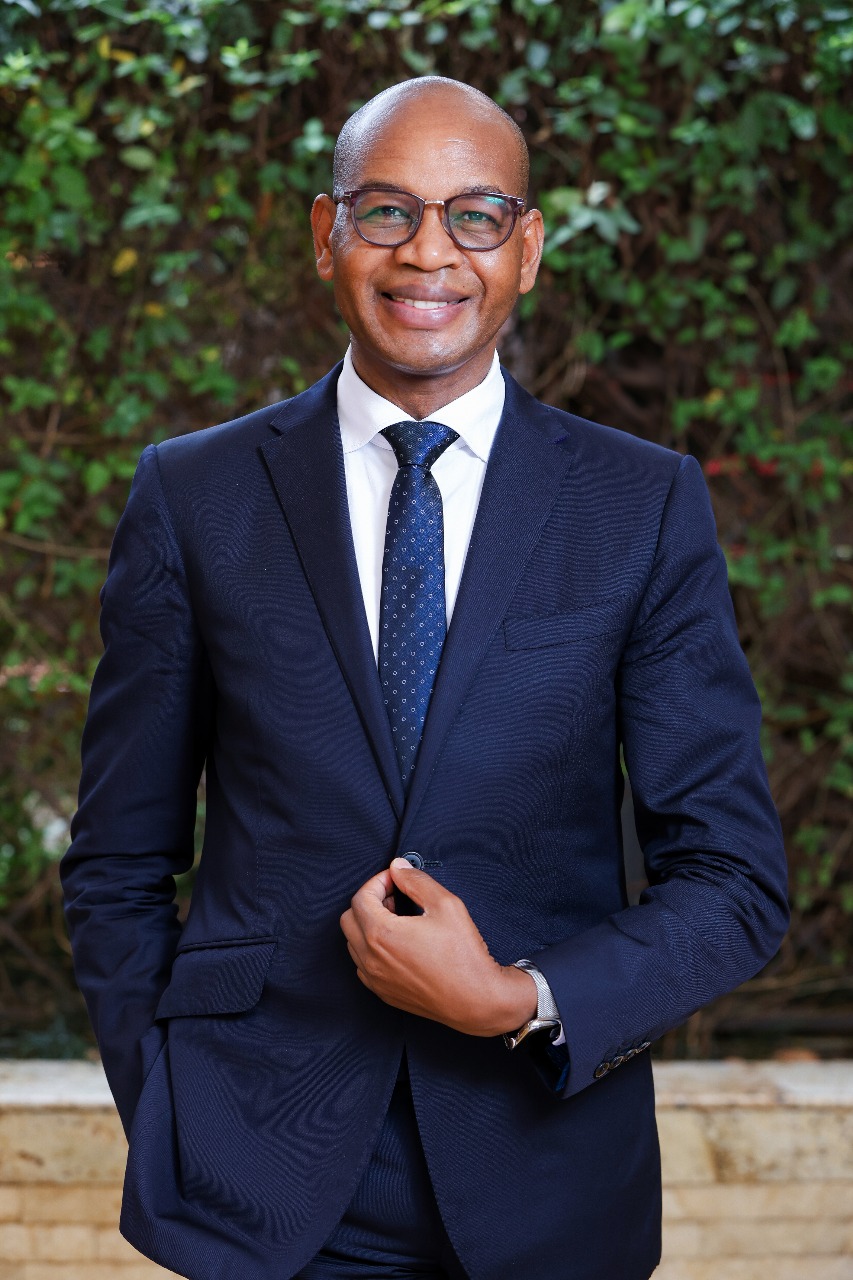
Standard Bank Group has announced influential changes within its Africa Regions leadership, effective September 1, 2025, affirming its commitment to regional growth and strong governance. Dr. Joshua Oigara is stepping into the role of Regional Chief Executive (East Africa), while continuing as Chief Executive of Stanbic Bank Kenya. His expanded remit, pending regulatory approval, reflects the Group’s confidence in his ability to elevate its franchise across the region.
Dr. Oigara brings a wealth of experience to his new regional mandate. He previously led KCB Bank Group as Group CEO and Managing Director for nearly a decade, contributing significantly to the bank’s expansion and technological advancement. He holds a Bachelor of Commerce (Accounting) from the University of Nairobi, an MBA with distinction in International Business Management from Edith Cowan University, and advanced leadership credentials from institutions including INSEAD, Duke University – The Fuqua School of Business, and IMD. His credentials include Certified Public Accountant (CPA-K) accreditation and active involvement in industry associations such as the Kenya Institute of Bankers.
The Group also extends its gratitude to Patrick Mweheire, who will conclude his five-year tenure as Regional Chief Executive on August 31, 2025. Mr. Mweheire has been instrumental in organically growing Stanbic’s East African franchise into one of the region’s most profitable, while also fostering strong collaboration across Kenya, Uganda, Tanzania, Ethiopia, and South Sudan.
This leadership transition marks a pivotal moment for Standard Bank Group’s East African operations. As Dr. Oigara assumes his dual responsibilities, the region is poised for renewed momentum in digital transformation, financial inclusion, and sustainable expansion. Stakeholders and the broader financial community will undoubtedly watch closely as he leverages his deep regional insight and proven leadership to steer the business forward.
China Unveils New ‘K Visa’ Targetting Youth Tech Profesionals Youth in Kenya

China has announced the launch of a new K visa category, specifically designed to attract young science and technology professionals from around the world, including Kenya. Effective October 1, this initiative is set to provide fresh opportunities for youth pursuing the Science, Technology, Engineering, and Mathematics (STEM) pathway. The move reflects China’s recognition of the importance of global talent in driving innovation while also creating new avenues for collaboration between nations such as Kenya and China.
Unlike existing visa types, the K visa offers enhanced flexibility in terms of multiple entries, longer stays, and overall validity. Applicants will not need a domestic employer or host institution in China, making it especially beneficial for independent researchers, students, entrepreneurs, and innovators. The streamlined process is expected to be more efficient than traditional visa applications, with simplified requirements, while still ensuring applicants meet age, education, and work experience criteria.
The new visa is part of China’s broader strategy to relax visa rules, boost internal mobility, and foster greater collaboration in academia, research, and entrepreneurship. By providing access to advanced infrastructure and innovation ecosystems, the K visa positions China as a hub for global knowledge exchange and technological progress. It also signals a shift towards creating a more inclusive platform for young professionals to contribute to scientific and technological advancements worldwide.
For Kenya, this development aligns with the government’s recent emphasis on STEM education under the Competency-Based Curriculum (CBC). The K visa could be a significant enabler for Kenyan innovators and young professionals, offering them access to global research opportunities, international collaborations, and pathways to scale their ideas. This is a timely opportunity for Kenyan youth to not only gain exposure but also to contribute meaningfully to global innovation while positioning Kenya as a key player in the global STEM space.
Safaricom Launches B-Live, Transforming Customers Internet Experience
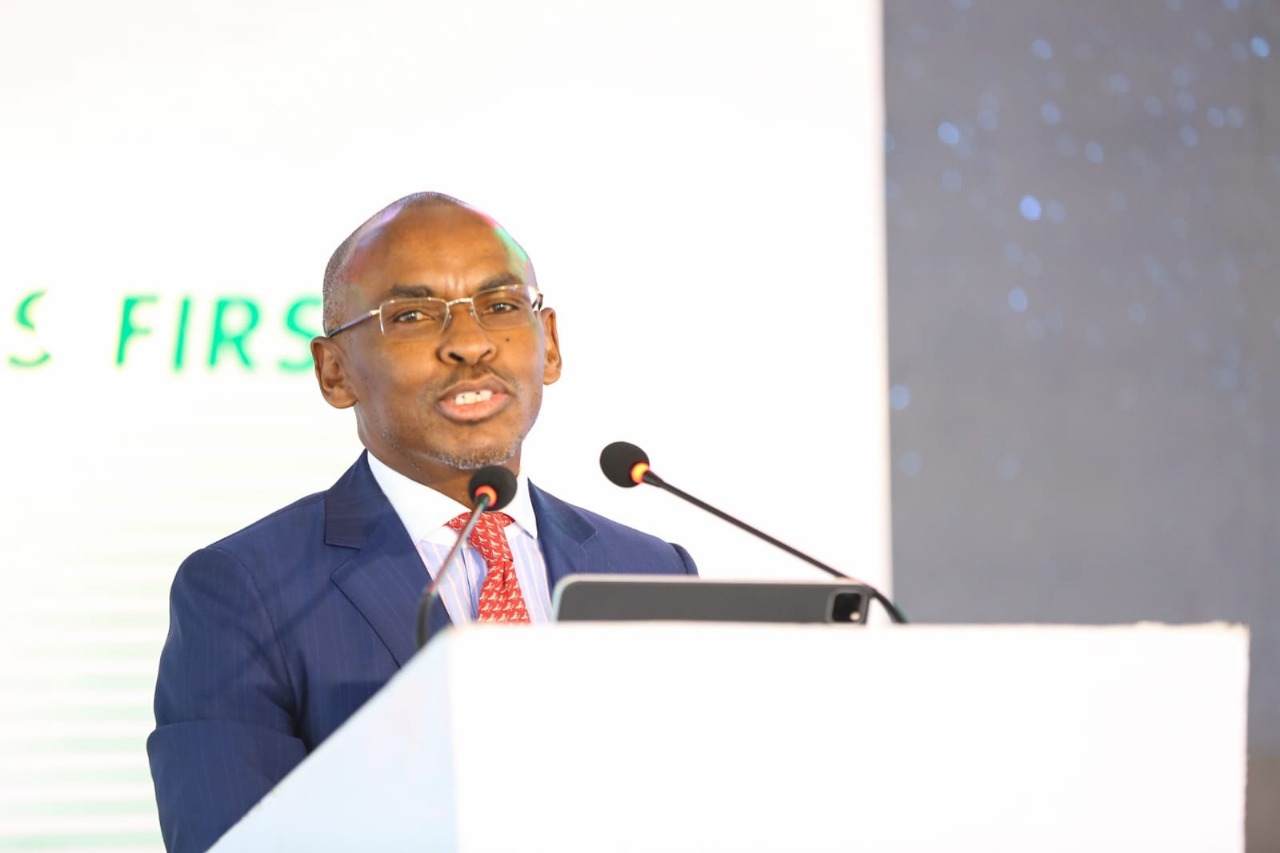
Safaricom PLC has introduced B-LIVE, a groundbreaking innovation that shifts the internet experience from traditional data consumption to time-based access. This industry-first move allows customers to enjoy unlimited browsing for set periods, offering them flexibility and control. With options such as 1 hour at KES 20, 3 hours at KES 50, and 6 hours at KES 150, B-LIVE ensures that users can tailor their internet use to fit their needs, whether for learning, creating, connecting, or working on the go.
The introduction of B-LIVE demonstrates Safaricom’s commitment to enhancing Kenya’s digital lifestyle. Instead of limiting customers to MB/GB-based billing, this new option complements the existing data bundles, giving more choices to diverse users. Students, content creators, entrepreneurs, and professionals now have the freedom to stay connected based on time rather than volume, ensuring that every customer can maximize their online experience in a way that best suits their lifestyle.
According to Safaricom’s Chief Consumer Business Officer, Fawzia Ali, the innovation is about empowering customers to manage their internet use according to preference. While some may prefer data volume-based bundles, others can now simply enjoy uninterrupted access for a set period without worrying about consumption. This flexibility puts the customer at the center of decision-making, enabling them to focus on productivity, entertainment, or connection without constraints.
B-LIVE is available via *544# or *555#, making it easily accessible to all customers nationwide. By rolling out this innovation, Safaricom continues to position itself as a leader in digital inclusion and connectivity in Kenya. The new model not only redefines convenience and affordability but also strengthens the company’s role in shaping how individuals and businesses experience the internet in the digital era.
Report Shows Kenya Rising as Africa’s Stablecoin Market

Kenya is rapidly establishing itself as one of Africa’s fastest-growing stablecoin markets, according to a new report by Yellow Card. The surge is being driven by inflationary pressures, currency volatility, and the country’s strong mobile money infrastructure. With platforms like M-PESA Africa enabling seamless integration of stablecoins, Kenya is emerging as a hub where digital assets are not just speculative investments but practical financial tools.
The report highlights how Kenya’s tech-savvy youth population is embracing stablecoins for affordable remittances and protection against currency fluctuations. This trend aligns with a broader wave of adoption across sub-Saharan Africa, where countries such as Nigeria, South Africa, Ghana, Zambia, Ethiopia, and Uganda are also experiencing rapid growth. In 2024, stablecoins accounted for 43 percent of total crypto transaction volumes in the region, with Nigeria leading at nearly $22 billion in transactions and South Africa recording 50 percent month-on-month growth since late 2023.
Globally, the stablecoin market has expanded significantly, growing from $5 billion in early 2020 to $230 billion by May 2025. Transaction values have now surpassed $15.6 trillion—exceeding the combined totals of Visa and Mastercard. On Yellow Card’s platform, stablecoins dominate at 99 percent of transactions, with Tether (USDT) taking the lion’s share at 88.5 percent, followed by USD Coin (USDC) at 9.9 percent. This dominance underscores how stablecoins are transitioning from niche usage to mainstream financial utility both locally and globally.
Kenya’s crypto ecosystem is also receiving a boost from progressive regulatory developments. The Finance Act, 2025 repealed the three percent Digital Asset Tax and replaced it with a 10 percent excise duty on fees charged by virtual asset providers. Additionally, the proposed Virtual Asset Service Providers Bill, 2025 seeks to strengthen oversight under the Central Bank of Kenya and the Capital Markets Authority- Kenya, ensuring compliance with anti-money laundering and counter-terrorist financing measures. Together, these shifts are laying the foundation for a more structured, secure, and scalable digital asset market in Kenya.
Bolt Launches Dash Cams for Driver Partners in Kenya

Bolt has rolled out dashboard cameras (dash cams) for its driver partners across Kenya, in a move aimed at enhancing safety and accountability on its e-hailing platform. The initiative, launched in partnership with safety technology provider Driver Technologies Inc., enables drivers to turn their mobile phones into both forward-facing and interior dash cameras, with all footage securely backed up in the cloud. This innovative solution addresses the growing demand for safety while making advanced technology more accessible to drivers.
The dash cam feature allows both drivers and riders to record trips, providing crucial evidence in case of safety incidents. This not only enhances security but also improves accountability and trust between drivers and passengers. Recognizing that cost has often been a barrier to adoption, Bolt has ensured that its driver partners can access premium dash cam services at a heavily discounted rate, including one free month and thereafter at a 75% discount. This initiative demonstrates Bolt’s commitment to making safety tools affordable while empowering its drivers with modern, reliable solutions.
By leveraging cloud storage, the system allows unlimited trip recording, storage, and sharing of footage, which can be critical for resolving disputes, supporting insurance claims, and assisting law enforcement. The dash cam app runs seamlessly in the background without affecting the Bolt app’s functionality, ensuring that drivers can focus on trips while maintaining confidence that every journey is recorded. Driver Technologies also provides IT, data handling, and processing support, ensuring reliable and secure use of the feature.
This partnership complements Bolt’s suite of in-app safety features, which already include Rider Verification, pick-up codes, and Trusted Contacts. With the introduction of dash cams, Bolt continues to strengthen its safety ecosystem for both drivers and riders in Kenya. The initiative highlights the company’s broader mission to leverage technology to improve safety standards, foster accountability, and create greater peace of mind in ride-hailing services.
Absa Bank Unveils Shariah-compliant Account for Women Enterpreneurs
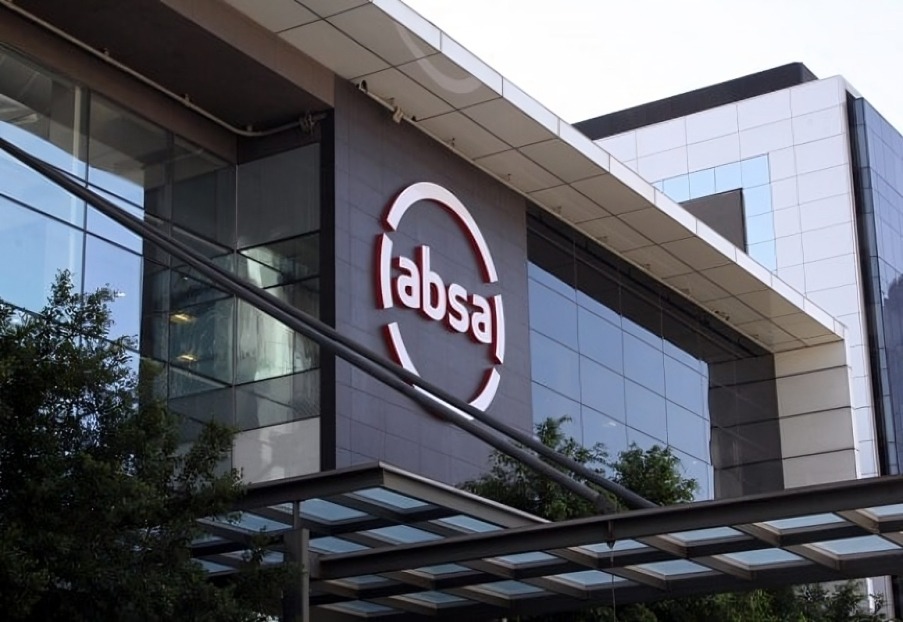
Absa Bank Kenya has launched La Riba Sultanah, the country’s first Shariah-compliant bank account tailored specifically for women entrepreneurs. The new product is designed to advance financial inclusion by equipping women with tools for savings, investment, and business growth while ensuring adherence to ethical and Shariah principles. This milestone reflects Absa’s commitment to driving inclusivity in Kenya’s financial sector by providing solutions that meet the diverse needs of women in business.
La Riba Sultanah goes beyond traditional banking by offering access to Shariah-compliant personal and business financing, mentorship, online training, networking events, and business advisory services. It also provides market access opportunities both locally and internationally, ensuring that women entrepreneurs are positioned for growth in competitive markets. The package further includes a Shariah-compliant credit card that comes with cashbacks, discounts, health and wellness benefits, and career advancement opportunities, giving women holistic support beyond financial services.
During the launch at the 2025 Absa Annual Islamic Conference in Nairobi, Absa Bank Kenya’s Chief Financial Officer, Yusuf Omari, emphasized that the initiative was a deliberate step toward addressing the long-standing exclusion of women from the financial ecosystem. He highlighted that La Riba Sultanah equips women with financial management tools that align with their faith and values while supporting their ambitions. The event also marked the formation of the Association of Shariah-Compliant Services Providers of Kenya, which will advocate for policy, research, and growth in Islamic finance.
La Riba Sultanah complements Absa’s existing Islamic banking suite, which includes La Riba Timiza, Kenya’s first fully mobile Shariah-compliant banking platform, and the Absa La Riba Card. By introducing this pioneering account, Absa Bank Kenya has reaffirmed its leadership in Islamic finance and its dedication to supporting women entrepreneurs as key drivers of economic growth. This initiative not only fosters inclusivity but also strengthens the framework for Shariah-compliant financial services in Kenya.
Kenya’s Qhala Supports Governments, Corporates in Digital Transformation

Kenyan startup Qhala has positioned itself as a leader in driving digital transformation for governments, corporates, and NGOs across Africa. Founded in 2020 by computer scientist Dr. Shikoh Gitau, the company was created to bridge a critical skills and capacity gap in digital strategy and innovation. Unlike off-the-shelf solutions that often overlook local contexts, Qhala provides bespoke, research-driven services designed to modernize operations and improve lives through technologies such as AI, cloud, blockchain, and data-driven strategies.
Since its inception, Qhala has expanded its impact through initiatives such as QLab, Qubit Hub, and Q Trust, while working with a wide range of partners. Notably, the company collaborated with the Ministry of Health and the University of Nairobi to develop Kenya’s COVID-19 modeling platform, which was a vital tool in helping policymakers manage the pandemic. Qhala has also played a key role in digital innovation projects, including iHelix, a corporate-startup collaboration platform, and in advancing AI literacy and policy across Africa, contributing to milestones such as the Africa AI Declaration.
Qhala’s influence is reflected in its diverse partnerships with global and regional leaders, including the Gates Foundation, Huawei, Microsoft, Amazon Web Services (AWS), African Export-Import Bank (Afreximbank), Britam, and Caribou Digital Media. Its iHelix program has been adopted by leading corporations like Safaricom PLC, Kenya Airways, Stanbic Bank Zambia, AAR Insurance, Britam, and Nation Media Group. By shaping national-level digital strategies, innovation management programs, hackathons, and policy workshops, Qhala has proven its unique role as more than a tech provider—it is a trusted advisor helping organizations navigate digital transformation in ways that are iterative, evidence-based, and locally relevant.
Though headquartered in Kenya, Qhala’s reach extends across Africa, including Rwanda, Nigeria, Uganda, South Africa, Zambia, Malawi, Cameroon, and Botswana, as well as into the UK and the US. By monetising through consulting contracts, the startup continues to sustain its growth while remaining self-funded by its projects. What began as a bold idea in a coffee shop has now become a pan-African consultancy redefining how digital transformation is executed. Qhala’s story is not only about technology but about trust, resilience, and the power of innovation to shape Africa’s future.
Huawei Kenya Holds Workshop Advancing Digital Learning in Schools

Huawei Kenya, in partnership with Hiperdist, KCB Bank Group, and DigiOn – AI Automation, Digital Marketing & Creative Agency hosted a Smart Classroom Workshop in Nairobi, bringing together representatives from 20 Muslim schools across the country. The workshop showcased the Huawei Smart Classroom Solution, a digital platform designed to enhance interactivity, accessibility, and learning outcomes for students, particularly in underserved communities. Attendees experienced hands-on demonstrations and engaged in discussions on how digital learning tools can be effectively integrated into their institutions.
A milestone announcement came from Steadfast Academy, which confirmed it will implement the Smart Classroom Solution and serve as a reference school for others considering adoption. This move underscores the transformative potential of technology in education and highlights how schools can lead by example in driving digital adoption. Huawei emphasized that the Smart Classroom initiative is not only about digitizing learning but also about democratizing access, ensuring all students can benefit from world-class educational environments.
The initiative is strongly supported by the KCB Foundation, with leaders reaffirming the importance of preparing learners for the digital economy. By providing tools and skills to both teachers and students, the partnership seeks to build sustainable foundations for the future workforce. This commitment aligns with Huawei’s ongoing DigiSchool Connectivity Project, which has already connected 21 schools, including special needs institutions, to high-speed internet, positively impacting more than 10,000 learners. Early results from the project show that access to internet-enabled learning has significantly improved students’ ability to grasp complex concepts.
Aligned with Kenya’s Digital Superhighway Agenda and the United Nations Sustainable Development Goals, Huawei’s Smart Classroom initiative demonstrates how partnerships between technology providers, financial institutions, and schools can bridge the digital divide. By improving access, boosting teaching quality, and ensuring equitable learning opportunities, the project is shaping the future of education in Kenya and positioning technology as a powerful tool for inclusion and empowerment.
