
back to top
Home Blog Page 27

President Ruto Plans Kenya-Japan Labour Mobility Framework Expansion

0


18 hours ago • Visible to anyone on or off LinkedIn

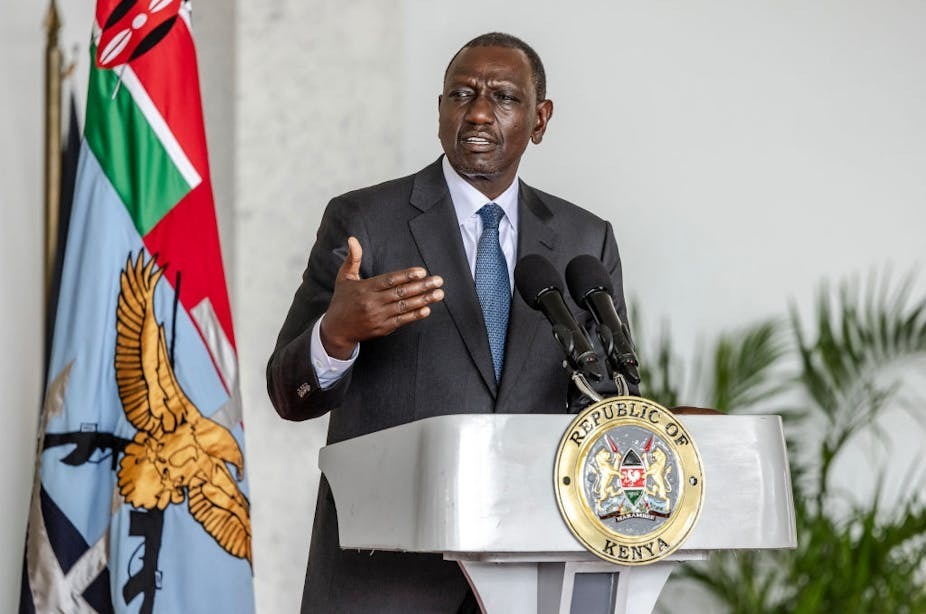
President William Samoei Ruto, PhD has announced that Kenya will establish a formal labour mobility framework with Japan, a move aimed at creating more opportunities for skilled Kenyans to work in Japan while strengthening bilateral economic ties. Speaking during his address to the Yokohama City Assembly on August 20, 2025, Ruto noted that Japanese companies are increasingly seeking Kenyan talent, particularly among young professionals who are well-trained and tech-savvy. He emphasized that Kenya’s youthful workforce provides a competitive edge in meeting the demands of modern industries, with many Kenyan graduates already being recruited for training and deployment in Japan.

Ruto also positioned Kenya as an attractive investment hub, highlighting the country’s reliance on renewable energy. He pointed out that 90 per cent of Kenya’s national energy mix is green and renewable, offering investors access to reliable and competitively priced power with one of the lowest carbon footprints globally. This, he noted, creates an enabling environment for companies seeking sustainable industrial capacity, further enhanced by Kenya’s agricultural sector, which produces high-quality products through climate-conscious and sustainable practices.

In addition, Ruto emphasised Kenya’s strategic role as a gateway to East Africa, a regional bloc comprising eight nations with a population of 300 million and a combined GDP of nearly $ 330 billion. He explained that regional integration has unlocked significant opportunities, not just within East Africa but across the entire African continent through the African Continental Free Trade Area. This positions Kenya as a vital entry point for global investors looking to expand into Africa’s rapidly growing markets.

The President’s message was clear: Kenya is ready to deepen its partnership with Japan by leveraging its skilled human capital, renewable energy advantage, and strategic regional positioning. Just as Yokohama serves as Japan’s gateway to the world, Ruto stated that Kenya stands as the gateway to East Africa and beyond, inviting Japanese investors to tap into a future defined by collaboration, innovation, and sustainable growth.


Kenya Places 8th in Africa, 93rd Globally in AI

0


44 minutes ago • Visible to anyone on or off LinkedIn

Kenya has secured a significant position in the 2024 Oxford Insights Government AI Readiness Index, ranking 8th in Africa and 93rd globally. This milestone underscores the country’s growing commitment to adopting and leveraging artificial intelligence to drive socio-economic transformation. The report highlights Sub-Saharan Africa’s notable progress in AI adoption in recent years, with projections estimating that the region could unlock $136 billion in economic value by 2030 through AI-driven innovation.

Kenya, alongside South Africa, Nigeria, and Ghana, has emerged as a leader in spearheading AI implementation across critical sectors. From healthcare and agriculture to education and governance, these countries are increasingly applying AI-powered solutions to address pressing local challenges. The recognition of Kenya as one of Africa’s leading digital hubs demonstrates the nation’s resilience and forward-looking policies that continue to create opportunities for growth and innovation in the AI space.

Despite Africa representing only 2.5% of the global AI market, valued at $16.5 trillion in 2024, the potential for transformation remains substantial. The report estimates that AI could boost Africa’s economy by USD 2.9 trillion by 2030, translating into an annual GDP growth increase of 3%. This projected economic uplift holds the promise of creating millions of jobs, expanding opportunities, and lifting countless lives out of poverty, positioning AI as a catalyst for sustainable development across the continent.

Kenya’s integration of AI into its education sector, particularly in embedding AI into national curricula and advancing Technical and Vocational Education and Training Authority (TVETA) Kenya programs, has been highlighted as a major step in preparing a future-ready workforce. With support from both government and private partnerships, Kenya is equipping learners with the skills necessary to thrive in a rapidly evolving digital economy. This effort not only solidifies Kenya’s role as an AI pioneer in Africa but also emphasizes the importance of scaling these initiatives to reach underserved communities and maintain alignment with global technological trends.

Kenya Set to Establish AI Exam Centres in TVET

0


47 minutes ago • Edited • Visible to anyone on or off LinkedIn

Kenya is taking a bold step in reshaping the future of education through the integration of Artificial Intelligence in Technical and Vocational Education and Training Authority (TVETA) Kenya examinations. The government has announced the rollout of AI-powered systems to design, administer, and mark exams in TVET institutions, ushering in a new era of efficiency, accuracy, and industry-aligned assessments. This initiative will enable the Kenya School of TVET to generate examinations, marking schemes, and results within a single day, drastically reducing turnaround times and enhancing credibility.

The program is part of a wider push to embed technology into skills training and testing, ensuring learners are equipped with competencies that meet the evolving needs of the job market. Already, 150 TVET institutions are being equipped as AI centres of excellence in partnership with Huawei, with trainers undergoing intensive capacity-building to cascade knowledge nationwide. According to TVET Principal Secretary Dr. Esther Muoria, the technology will modernize Kenya’s assessment processes and strengthen the link between education and labour market demands.

This initiative is underpinned by a three-year Memorandum of Understanding between the government and Huawei, running from 2025 to 2028. The MoU aims to establish 150 ICT academies, certify at least 1,000 students annually at the Huawei Certified ICT Associate level, and train 150 instructors under a Train-the-Trainer framework. Priority will be given to underserved regions, with a focus on emerging high-demand skills such as cloud computing, artificial intelligence, cybersecurity, and networking. By integrating these capabilities, Kenya seeks to expand access to transformative digital skills while positioning its youth competitively on the global stage.

Parliament has strongly backed the AI initiative, with National Assembly Speaker Moses Wetang’ula describing it as a key enabler for innovation and youth empowerment. Beyond fast-tracked exams and accurate results, the integration of AI in TVET institutions represents a major leap forward in aligning education with real-world opportunities. By bridging the gap between graduate competencies and industry needs, Kenya is setting a precedent for the region in how education systems can harness technology to future-proof skills and drive economic transformation.

Tatu City Investment Value Reaches $3B with 100+ Firms

0


16 hours ago • Visible to anyone on or off LinkedIn

Tatu City, Africa’s leading new city development and a flagship project of Rendeavour, has achieved a significant milestone with its total investment value now reaching $3 billion. This includes $2.2 billion from current businesses, brands, and investors, with an additional $800 million already in the pipeline. This remarkable growth is fueled by its designation as a Special Economic Zone (SEZ), a status that has positioned Tatu City as a magnet for both domestic and foreign direct investment, making it one of the most important drivers of Kenya’s industrial and commercial landscape.

The city’s SEZ framework has provided enterprises with a competitive environment that combines fiscal and non-fiscal incentives, easing operational costs and accelerating growth. Currently, Tatu City hosts 40 SEZ-licensed enterprises, representing more than half of all SEZ companies in Kenya. Some of these firms include Cold Solutions Kiambu SEZ Ltd, Hewatele Limited, C.Dorman SEZ Ltd, Fullcare (Kenya) Medical Limited, Dweck Industries, and Agriplast Investments. The concentration of these enterprises underscores Tatu City’s unique role in positioning Kenya as a regional hub for manufacturing, logistics, healthcare, and other high-growth industries.

Enterprises within Tatu City’s SEZ benefit from a wide range of incentives, including reduced corporate income tax rates, zero-rated VAT, full import duty exemption, capital investment deductions, and capital gains tax exemption. Non-fiscal incentives such as fast-tracked approvals, a one-stop shop for permits, world-class infrastructure, and robust security further enhance its attractiveness. With over 70 km of tarmacked roads, 30 million litres of water storage, 135 MVA of power capacity at lower costs, and guaranteed expatriate work permits for up to 20% of the workforce, Tatu City provides an environment where businesses can scale seamlessly and sustainably.

This progress is directly aligned with Kenya’s national development goals, including Vision 2030, by fostering job creation, attracting investment, and anchoring new industries. With more than 25,000 jobs created so far and thousands more expected as expansion continues, Tatu City is not just a symbol of modern urban development but also a key enabler of Kenya’s economic transformation. Its strategic growth ensures that it remains a cornerstone of regional industrialization and innovation, shaping the future of investment in Sub-Saharan Africa.

Kenya Defeats Zambia to Claim Group A Top Spot

0


16 hours ago • Visible to anyone on or off LinkedIn

Kenya has once again affirmed its dominance in African football after topping Group A of the TotalEnergies African Nations Championship (CHAN) PAMOJA 2024 with a decisive 1-0 win over Zambia at the Moi International Sports Centre, Kasarani. Ryan Ogam’s second-half strike sealed the victory, ensuring the Harambee Stars completed the group stage unbeaten. This result not only saw them finish at the summit with 10 points but also highlighted their resilience and consistency, conceding just one goal in the group stage. The achievement was further amplified by Morocco’s 3-1 victory over DR Congo, confirming both Kenya and Morocco’s progression to the quarter-finals.

The victory was symbolic of Kenya’s growth under head coach Benni McCarthy. Branded the “Group of Death,” Group A was expected to be a stumbling block for the Harambee Stars, yet they triumphed convincingly, beating Morocco and DR Congo earlier before closing with a commanding display against Zambia. This unbeaten run has elevated Kenya into the status of title contenders, showcasing tactical maturity, defensive discipline, and clinical finishing when it mattered most. McCarthy’s leadership has transformed the team into one of the standout performers of the tournament, igniting hopes of a historic CHAN campaign.

For Zambia, the story was far different as they exited the tournament without a single point, despite flashes of quality from their new-look squad. Kenyan goalkeeper Faruk Shikhalo proved a wall of resistance, making crucial saves to deny the Chipolopolo any chance of a comeback. Despite their struggles, coach Avram Grant insisted that the tournament was a vital learning experience for Zambia, offering insight into building a future-ready team. Still, Kenya’s ability to overcome Zambia’s pressure in the closing stages highlighted their resilience and composure under pressure, a trait that will be vital in the knockout phase.

Kenya’s quarter-final clash against Madagascar, set to be played in Nairobi, offers the Harambee Stars both momentum and home advantage. With the passionate support of the fans, who were instrumental in pushing the team to victory at Kasarani, the stage is set for Kenya to continue their impressive run. As the nation rallies behind them, the Harambee Stars have not only raised expectations but also carried the hopes of millions, showcasing that Kenyan football can compete at the highest continental level.

Premier Bank, Mastercard Partner to Launch NFC Wearables For Seamless Card Payments

0


16 hours ago • Visible to anyone on or off LinkedIn

Premier Bank Kenya Limited has introduced two groundbreaking digital innovations, Premier Connect and Premier Tap, that are set to redefine the banking and payments landscape in Kenya. Premier Connect, a Shari’ah-compliant omni-channel digital banking platform, positions Premier Bank as the country’s first fully Shari’ah-compliant digital bank, offering customers seamless and modern banking in line with Islamic financial principles. Alongside this, Premier Tap, developed in partnership with Mastercard, marks Kenya’s first-ever wearable payment solution, enabling contactless transactions through NFC-enabled smart devices such as rings, watches, key fobs, and phone cases.

Premier Connect brings with it a host of customer-centric features designed for Kenya’s increasingly mobile-first consumer base. These include 100% remote account opening for retail customers, real-time payments via multiple channels such as Pesalink, SWIFT, RTGS, and BillPay, as well as advanced card control, treasury services, and foreign exchange solutions. Through a fully synchronized, multi-device experience, the platform ensures that customers enjoy secure, flexible, and round-the-clock banking access that matches the demands of today’s digital lifestyle.

Meanwhile, Premier Tap introduces an entirely new way of transacting in Kenya by combining convenience, security, and style. Powered by MasterCard’s tokenization and encryption technologies, this innovation ensures that every transaction is safeguarded while eliminating the need for cash or physical cards. It speaks directly to the needs of urban, tech-savvy consumers seeking speed, efficiency, and security in their daily financial interactions. Premier Tap’s arrival also highlights a shared vision between Premier Bank and MasterCard to accelerate financial inclusion while introducing futuristic solutions that resonate with younger generations.

This twin launch embodies Premier Bank’s brand promise of “New Beginnings” by empowering customers with more choice, flexibility, and accessibility in how they manage and spend their money. It not only underscores the bank’s commitment to ethical, progressive banking but also cements its role as a trailblazer in Kenya’s financial sector. With Premier Connect and Premier Tap, Premier Bank has taken bold steps forward in shaping the future of digital banking and payments in the country.

Shehryar Bakht Ali, Jibril Mohamed

Moringa to Train 3,600 Kenyan Youths in AI

0


1 day ago • Visible to anyone on or off LinkedIn

Moringa School has unveiled a groundbreaking nationwide initiative that will equip 3,600 Kenyan youth with free Artificial Intelligence (AI) skills by December 2026. Backed by a $2 million Google grant and delivered in partnership with South Africa’s WeThinkCode, this programme is part of a continent-wide effort to train 12,000 learners across Kenya and South Africa. Moringa is spearheading the Kenyan rollout, leveraging its alumni network, grassroots partnerships, and regional expertise to ensure young professionals gain practical, future-ready skills for the evolving job market.

The programme is designed to begin with upskilling software engineers and will later expand into key sectors such as education and healthcare. This initiative is more than just technical training—it represents an opportunity for economic mobility, enabling Kenyan youth to participate meaningfully in the AI-driven global economy as innovators rather than passive consumers. By ensuring access to inclusive, human-centred AI training, Moringa is positioning Kenya’s workforce to thrive in industries increasingly shaped by advanced technologies.

The launch comes at a pivotal moment when AI is redefining healthcare, education, logistics, and creative industries worldwide. However, access to AI skills has remained largely concentrated in the Global North, leaving African nations underrepresented in shaping the future of this technology. By addressing this gap, the initiative empowers Kenya to take a leadership role in the responsible adoption of AI, preparing its workforce not only for future employment opportunities but also for shaping technologies that will drive local and continental progress.

To ensure inclusivity, Moringa has initiated a nationwide recruitment drive targeting women, underrepresented groups, and professionals from diverse backgrounds. With support from universities, tech hubs, and industry leaders, the programme is scaling rapidly and aims to foster a generation of AI-skilled innovators who can drive sustainable economic growth. This bold move underscores Moringa’s commitment to digital sovereignty and national resilience, laying the groundwork for Kenya’s youth to lead Africa’s transformation in the era of artificial intelligence.

Safaricom Wins Prestigious Digital Technology Award at CIPS.

0


1 day ago • Visible to anyone on or off LinkedIn

Safaricom PLC has been recognised with the prestigious award for Best Use of Digital Technology at the CIPS – The Chartered Institute of Procurement & Supply Africa Excellence in Procurement and Supply Awards 2025. The accolade, presented by CIPS – the global standard-setter for procurement and supply – reflects Safaricom’s remarkable strides in leveraging advanced technology to enhance efficiency, accuracy, and value within its procurement operations.

The award specifically honours Safaricom’s Artificial Intelligence-powered Supply Market Analysis initiative, which has transformed the organisation’s approach to procurement. This innovation delivers real-time insights into supplier landscapes, cost structures, competition, trends, and commodity risks, among other market dynamics. What once took nearly a month to complete is now achieved in just 10 minutes, drastically reducing analysis time while improving decision-making, cost visibility, and tender cycle efficiency.

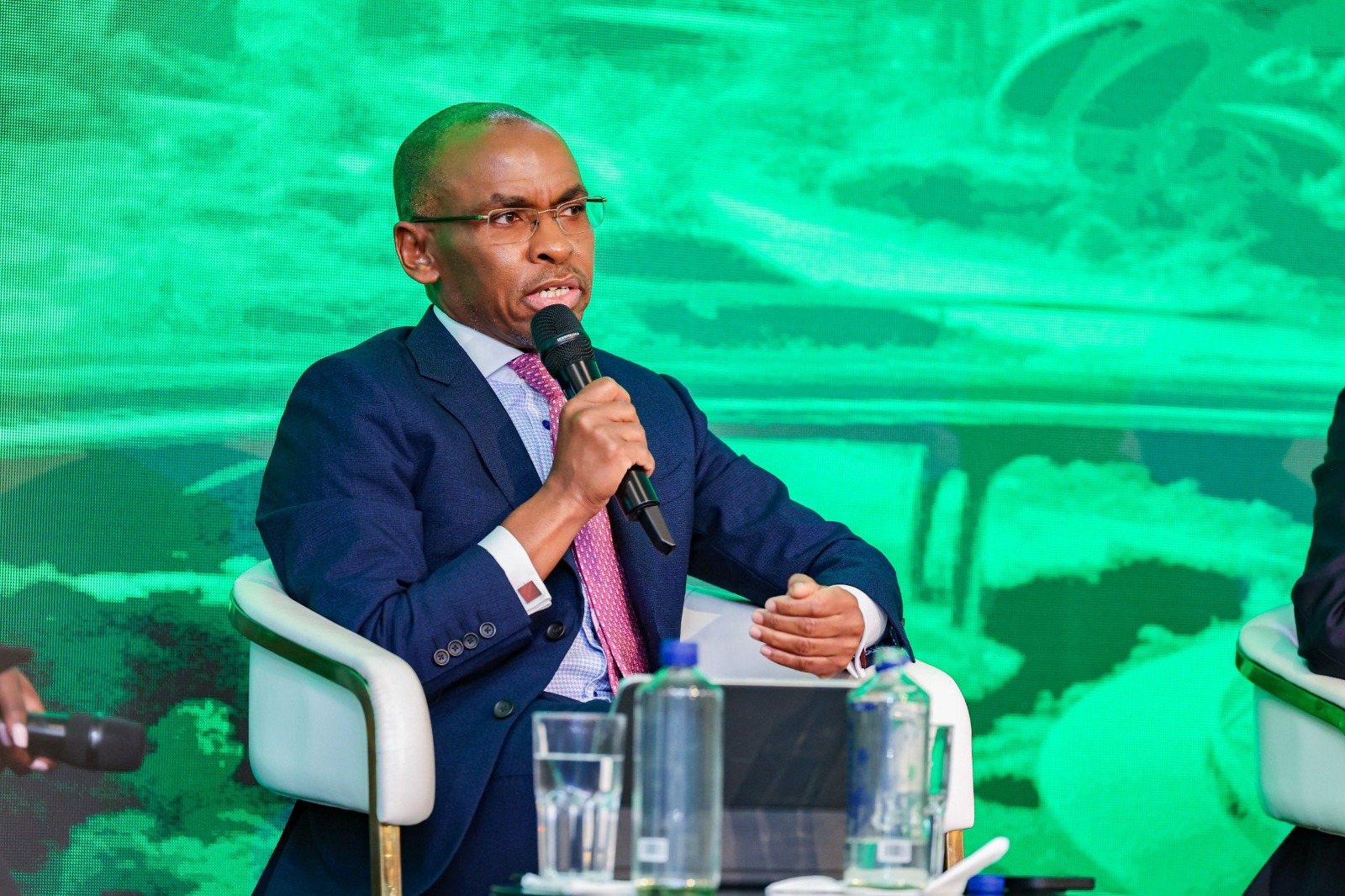
This milestone is part of a broader digital transformation strategy by Safaricom to scale technology solutions across the organisation, enabling agility and smarter operations. According to CEO Dr. Peter Ndegwa C.B.S, the recognition not only celebrates innovation but also aligns with Safaricom’s long-term vision of becoming Africa’s leading purpose-led technology company by 2030. Through AI-driven solutions, the company is proving that technology can reshape operations and create new industry benchmarks.

Safaricom stood out among strong contenders, including Rohloff Group for its Energy Management initiative and World Vision East Africa Region for its Contract Life Cycle Management project. The recognition underscores Safaricom’s role in leading change within the procurement and supply profession in Africa. By setting new standards for operational excellence, Safaricom continues to inspire innovation while strengthening its position as a technology leader in the continent’s digital transformation journey.

Absa Kenya, GirlCode Launches 2025 Pan-African Women-in-Tech Hackathon

0


49 minutes ago • Visible to anyone on or off LinkedIn

Absa Bank Kenya, in partnership with GirlCode Group, has unveiled the 2025 edition of GirlCodeHack, a Pan-African hackathon designed to empower young women in technology. The 30-hour event, scheduled for October 11–12, 2025, will be held simultaneously across seven African cities — Nairobi, Kampala, Dar es Salaam, Johannesburg, Cape Town, Durban, and Gaborone. This year’s hackathon will bring together 100 women in Kenya to develop practical solutions in FinTech, Cybersecurity, and Artificial Intelligence, with the winning team walking away with a grand prize of KES 725,802.

Participation is open to university students, recent graduates, and young professionals aged 18–35, working in teams of two to four. The hackathon is anchored on the theme “Future-Proofing Africa: Innovation at the Intersection of FinTech, Cybersecurity, and AI” and will be hosted on Absa’s ReadytoWork platform, which equips young people with critical digital and employability skills. This year’s edition doubles the participation target in Kenya compared to last year, reflecting the growing demand for inclusive opportunities in the tech ecosystem.

The initiative also underscores Absa and GirlCode’s shared commitment to diversity, inclusion, and the Sustainable Development Goals. According to Absa Kenya’s Chief Operations and Digital Officer, Julius Kamau Mwangi, the hackathon is more than a competition — it is a gateway to opportunity and a means of advancing gender equality, quality education, and decent work for youth across Africa. Similarly, GirlCode’s CEO and Founder, Zandile Mkwanazi, emphasized their mission to expose 10 million women and girls to technology by 2030, noting that the partnership with Absa ensures that women not only access opportunities but also become innovators and leaders in the digital economy.

Last year’s edition drew more than 400 participants across five African cities, resulting in outstanding solutions ranging from gamified sexual and reproductive health platforms to AI-powered mental health tools and blockchain-based registries. Building on this success, the 2025 GirlCodeHack promises to deliver even greater impact, with participants gaining hands-on technical experience, mentorship from leading industry professionals, and exposure to Africa’s growing digital transformation landscape. Applications are open until August 8, 2025, via the ReadytoWork App available on Android and iOS.

Ajua Acquires Rate My Service to Expand Regionally

0


46 minutes ago • Visible to anyone on or off LinkedIn

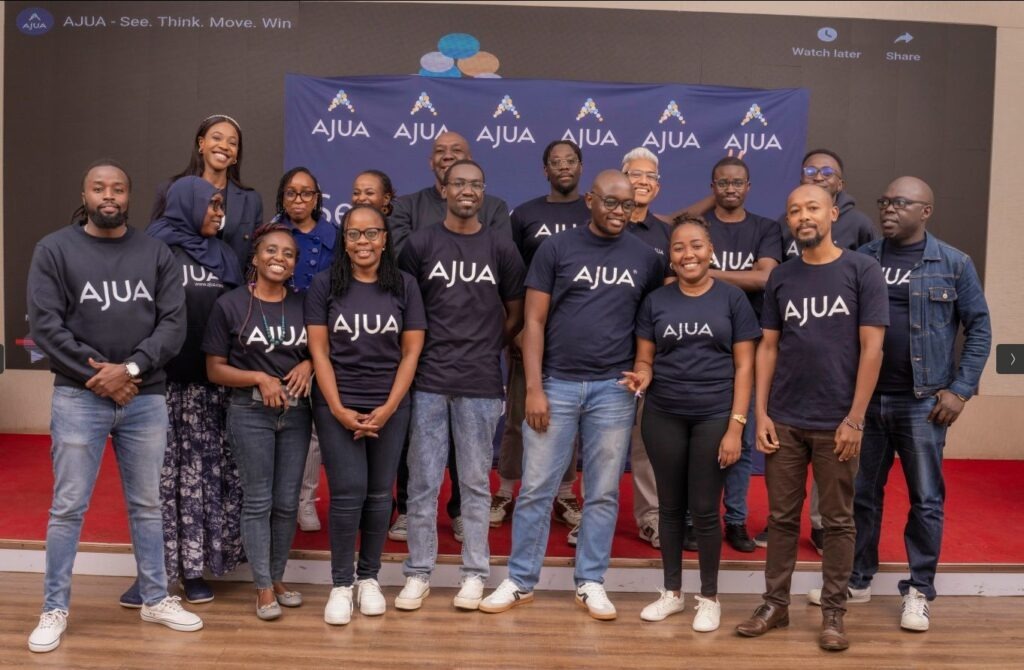
Ajua™, Africa’s leading customer experience platform, has announced the acquisition of RateMyService (RMS), a Kenyan platform specialising in customer and employee experience. This strategic move enhances Ajua’s local expertise and solidifies its position as the largest and most comprehensive CX platform on the continent. It also marks Ajua’s second acquisition, following its 2021 purchase of WayaWaya, reinforcing its commitment to expanding reach and strengthening service capabilities across Africa.

Through this acquisition, Ajua will integrate RMS’s advanced feedback solutions, enabling businesses to access more personalised and market-specific CX strategies. By combining RMS’s innovative tools with Ajua’s established real-time analytics and feedback systems, the platform will empower companies to better understand and respond to customer needs. This merger not only broadens Ajua’s reach but also establishes a stronger foundation for delivering impactful, tailored, and data-driven solutions across industries.

Ajua’s CEO, Nyasha Mutsekwa, highlighted the significance of this acquisition, emphasising that bringing RMS into the Ajua family expands both expertise and reach. With operations already spread across Africa and the Caribbean, Ajua continues to set industry standards by offering scalable, secure, and reliable platforms. Integration with Google and Meta platforms, including WhatsApp, ensures seamless customer engagement and improved accessibility for businesses aiming to drive meaningful interactions with their clients.

By acquiring RMS, Ajua demonstrates a clear commitment to innovation, customer-centric growth, and industry leadership. The move not only accelerates its journey toward becoming the most robust CX platform in Africa but also highlights the growing importance of customer and employee experience management in driving sustainable business growth. This acquisition signals a new chapter for CX in Africa, where businesses can leverage integrated, holistic solutions to thrive in competitive markets.