

Standard Chartered Kenya, in partnership with @iBizAfrica Incubation Center at Strathmore University, has unveiled Cohort 8 of the Women in Tech Accelerator Programme, awarding KES 9.1 million in seed funding to seven women-led ventures. Each of the innovators received KES 1.3 million alongside access to tools, training, and networks designed to strengthen their capacity to scale sustainable, technology-driven businesses.
The eighth cohort attracted 84 applications from women-led enterprises across the country, with fifteen startups selected to undergo a rigorous 12-week accelerator programme. The curriculum focused on sustainability, ESG integration, financial and business modelling, and product development, ensuring that participants gained the skills and structure needed to refine their solutions. Dr. Joseph Sevilla, Director at @iLabAfrica and iBizAfrica, noted that these founders are reshaping industries and transforming communities, aligning with Strathmore University’s mission to develop leaders who drive societal change.
The seven winning startups represent Kenya’s most dynamic and high-impact sectors, including healthcare, sustainability, textiles, environmental innovation, and community care. The ventures include Etiba Home Care East Africa, UzimaNexus, POLLEN PATROLLERS, Tuwe Bora Limited, BUSU SKINCARE LIMITED, Timao Group, and AshaCare. Their solutions tackle critical challenges such as access to personalised healthcare, transparency in medical systems, sustainable textile production, bee health monitoring, natural skincare, plastic waste conversion, and community health delivery.
Since its inception in 2017, the Women in Tech Accelerator has received over 1,621 applications and supported 93 ventures across eight cohorts. A total of 46 businesses have received KES 50.6 million in funding, complemented by strategic non-financial support including mentorship, business advisory, coaching, networking, and investor readiness opportunities. This long-term investment has translated into measurable growth, with alumni creating an average of three jobs per business and contributing significantly to Kenya’s economic landscape. A standout example is BENA CARE LTD, which has grown to generate over KES 2.47 billion in annual revenue.
Standard Chartered Kenya Board Director Nivi Sharma emphasized that every graduate from this cohort symbolizes resilience, innovation, and the power of possibility. Her remarks highlighted the bank’s continued commitment to intentional investment in women entrepreneurs, recognising their role in shaping a more inclusive and sustainable future for Kenya.
Women in TECH Accelerator Cohort 8 Recieves KES 9.1M Funding

Kenya Ranks Fourth in Africa’s Digital Tourism

Kenya has earned a remarkable milestone, ranking fourth in Africa for its strides in digital tourism transformation. This recognition underscores Kenya’s growing reputation as a forward-thinking, tech-driven travel destination that leverages digital innovation to enhance global visibility and engagement. The ranking was unveiled during a global tourism forum in Riyadh, Saudi Arabia, highlighting nations leading in the adoption of technology to revolutionize travel and hospitality experiences.
A key contributor to this achievement is the Kenya Tourism Board’s (KTB) strategic use of digital platforms to promote the country’s diverse attractions — from the Maasai Mara’s world-renowned wildlife safaris to the pristine coastal beaches, cultural heritage destinations, and vibrant urban experiences. Through these initiatives, Kenya has positioned itself not just as a tourism hub but as a digitally connected destination appealing to both modern travelers and tech-savvy audiences.
Tourism Cabinet Secretary Rebecca Miano praised the recognition as a powerful testament to Kenya’s growing global influence in the tourism sector. She noted that the world is increasingly paying attention to Kenya’s innovation-driven approach to tourism marketing and development. Miano reaffirmed the government’s commitment to propel the nation to the top of Africa’s digital tourism rankings, emphasizing the importance of youth involvement in driving the next phase of digital transformation within the sector.
Kenya currently ranks behind South Africa, Mauritius, and Botswana, but the momentum signals a strong trajectory toward further advancement. With continued investment in digital infrastructure, marketing innovation, and community empowerment, Kenya’s tourism industry is well-positioned to capitalize on technology to deliver immersive, accessible, and sustainable travel experiences.
This recognition not only celebrates Kenya’s digital leadership in tourism but also reinforces its broader vision of integrating technology into economic development, cultural preservation, and global outreach. As the world continues to evolve digitally, Kenya’s commitment to innovation will remain central to attracting travelers and shaping the future of African tourism.
Kenya Airways, Aga Khan Partner to Enhance Medical Tourism
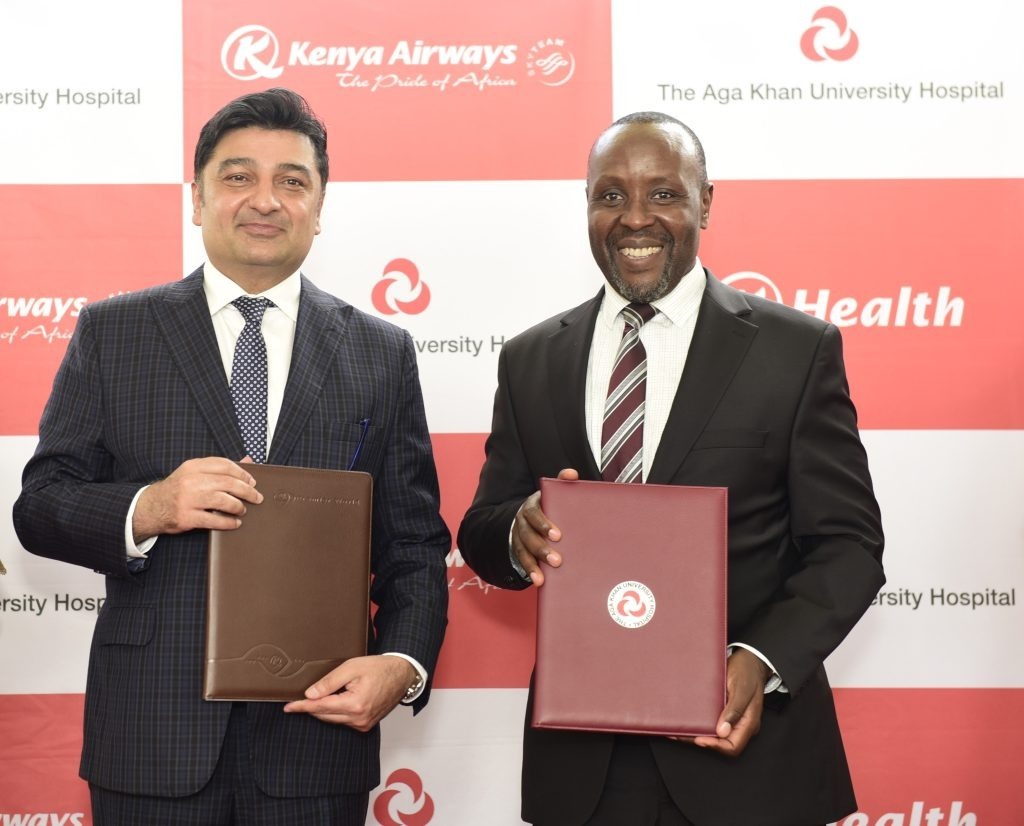
Kenya Airways (KQ), the national carrier, has entered into a strategic partnership with Aga Khan University Hospital (AKUH) to enhance medical tourism across Africa. The collaboration aims to position Kenya as a leading healthcare destination on the continent, offering patients from across Africa access to world-class medical services without the need to travel overseas. This initiative aligns with Kenya’s vision of becoming a regional hub for high-quality healthcare and specialized treatment.
The agreement, signed through Kenya Airways’ healthcare division KQ Health, combines the airline’s extensive regional network with AKUH’s advanced medical expertise to create a seamless travel and treatment experience for patients. KQ Health will coordinate logistical arrangements such as medical clearances before travel, in-flight medical assistance, and direct ambulance transfers from Jomo Kenyatta International Airport to Aga Khan University Hospital. AKUH will provide specialized services in oncology, cardiology, surgery, and critical care, ensuring patients receive the highest level of treatment upon arrival.
Kenya Airways CEO Allan Kilavuka highlighted that the partnership reflects how aviation can bridge critical access gaps in healthcare. He emphasized that the airline’s role goes beyond connecting people to destinations — it connects them to life-changing services. This collaboration demonstrates how innovation in aviation can be leveraged to support public health, improve patient mobility, and enhance Africa’s capacity for medical care delivery.
Aga Khan University Hospital CEO Rashid Khalani described the partnership as a transformative step for Kenya’s healthcare landscape and for Africa’s broader medical tourism sector. He noted that for years, patients have sought specialized treatment overseas, but with this partnership, world-class healthcare can now be accessed within the continent. Khalani added that the initiative not only benefits the two institutions but also promotes Kenya as a trusted healthcare destination, encouraging confidence among regional and international patients.
Although Kenya’s medical tourism sector currently attracts fewer than 8,000 foreign patients annually, studies by the Netherlands Enterprise Agency (RVO) and the Ministry of Health estimate the number at between 3,000 and 5,000 per year — highlighting untapped potential. Through this collaboration, both KQ and AKUH are taking a major step toward unlocking that potential by improving accessibility, affordability, and the overall patient experience. The initiative sets the stage for Kenya to emerge as a hub for advanced medical care in Africa, combining aviation and healthcare to redefine how patients seek and receive treatment.
Giovane Gentile Launches First African Store in Nairobi
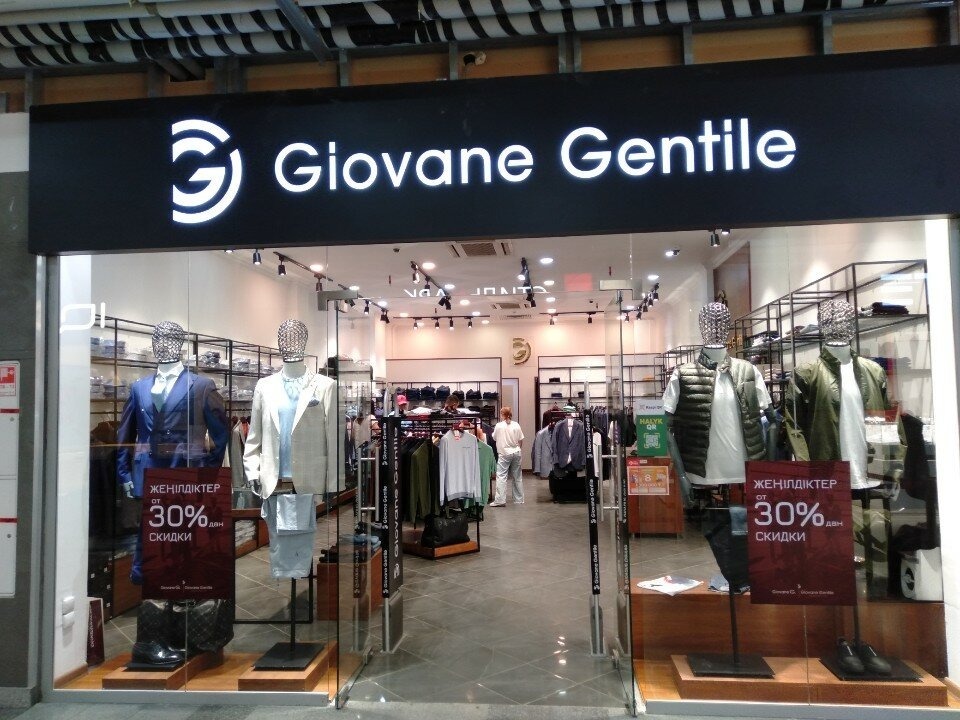
Turkish luxury menswear brand Giovane Gentile has officially made its entry into the African market with the opening of its first concept store at The Village Market in Gigiri, Nairobi. This milestone marks the brand’s debut on the continent and forms a key part of its global expansion strategy. By choosing Nairobi as its first African destination, the Istanbul-based label signals confidence in Kenya’s position as a regional hub for fashion, lifestyle, and modern luxury retail.
Founded in 2001, Giovane Gentile has earned a reputation for blending refined craftsmanship with timeless style. The brand’s collections cater to the modern, confident man — offering both business and casual wear that combine sophistication, comfort, and elegance. According to Fehime Kafkas, Director of Giovane Gentile Kenya, the Nairobi store mirrors the same luxury shopping experience available in other major global cities. She emphasized that each piece is designed for individuals who value image and class, whether in corporate or social settings.
The brand’s offerings feature premium fabrics sourced from world-renowned Italian fashion houses such as Ermenegildo Zegna, Loro Piana, Cerruti, Vitale Barberis, and Zignone. Its Limited Edition line includes handcrafted suits and shoes made from high-quality natural materials, underscoring Giovane Gentile’s commitment to artisanal excellence. This focus on superior materials and meticulous design places the brand among the top global names in men’s fashion, appealing to those seeking both exclusivity and comfort.
During the launch, Turkish Ambassador to Kenya Subutay Yüksel lauded the brand’s durability and enduring quality, sharing a personal testimony about a Giovane Gentile suit he purchased 15 years ago that “still looks as good as new.” The event was also attended by notable guests including Mr. Adnan Merdin, Founder and Managing Director of Dr. Mattress; Mr. Cemal Ulman, Director of Bosphorus Lounge; Mr. Agah Kafkas, former Member of the Turkish Parliament and Deputy Minister of Health; and Mrs. Seher Erkol Odabas, Turkish Defence Attaché, further emphasizing the strong ties between Turkish enterprise and Kenya’s growing fashion market.
With 65 concept outlets worldwide — including 23 in Turkey and others in the U.S., Italy, Germany, UAE, South Africa, and Russia — Giovane Gentile continues to expand its global footprint. By introducing its “affordable luxury” philosophy to Nairobi, the brand seeks to redefine men’s fashion in East Africa through accessible sophistication and quality craftsmanship. The store’s opening underscores Kenya’s growing influence as a fashion and lifestyle destination in the region
Jetour Launches Premium SUV Lineup in Kenya

Chinese automaker Jetour has officially made its entry into the Kenyan market, unveiling a lineup of four premium mid-SUV models designed to meet the country’s evolving mobility demands. The newly introduced models — Jetour Dashing, Jetour X70, Jetour T-Series, and Jetour T2 — mark the brand’s strategic entry into Kenya’s growing high-end automotive segment. Distribution will be handled by Global Motor Center, Jetour’s official partner in Kenya, as the brand positions itself as a leading choice for modern, style-conscious drivers.
During the launch event, Jetour International Vice President Andy Yuan highlighted that the move marks the beginning of a long-term commitment to Kenya’s automotive industry. He emphasized that the brand’s mission is to provide travellers with exceptional comfort, performance, and craftsmanship through its vehicles. Yuan further stated that Jetour plans to introduce additional models in the coming years as part of its broader strategy to expand across Africa, reinforcing its confidence in Kenya as a key regional market.
Jetour Kenya Managing Director Farouk Sheikh underscored that the company’s investment in Kenya extends beyond selling cars. He revealed that Jetour is focusing on empowering local talent through skills development programs and forming partnerships with Kenyan businesses to strengthen the country’s mobility ecosystem. Sheikh noted that the company aims to contribute meaningfully to Kenya’s economic growth, sustainability, and industrialization by aligning its operations with national development goals.
In line with its expansion plan, Jetour intends to establish a presence in key towns including Mombasa, Kisumu, Eldoret, Nanyuki, and Nakuru. The company is also working toward setting up a local assembly plant, which will help create employment opportunities, reduce production costs, and make its vehicles more accessible to Kenyan consumers. This move reflects Jetour’s commitment to fostering local manufacturing and supporting the government’s drive toward enhancing the automotive value chain.
The automaker also plans to introduce electric and hydrogen-powered models in the near future, aligning its strategy with Kenya’s green mobility ambitions. Founded in 2018 as a subsidiary of Chery Holding Group, Jetour has expanded to over 50 markets worldwide under its “Travel+” strategy — focusing on delivering smart, stylish, and value-driven SUVs tailored for modern lifestyles. The company’s entry into Kenya signals growing confidence in the country’s potential as a hub for sustainable and premium automotive innovation in Africa.
Roam Invites Private Investors to Buy Shares

Swedish-Kenyan electric vehicle manufacturer Roam has launched a new phase of its growth journey by opening its latest fundraising round to private investors for the first time. Through a crowdfunding campaign on Crowdcube, Europe’s largest equity crowdfunding platform, individuals can now buy shares in the company — a move that brings inclusivity to Africa’s fast-growing electric mobility sector.
This initiative marks a significant milestone for Roam as part of its Pre-Series B round, which has traditionally been limited to institutional investors. The company aims to accelerate the rollout of its electric mobility solutions across Africa, creating opportunities for everyday supporters to participate in shaping the continent’s sustainable transport future. The offering will be available on a limited, first-come, first-served basis, with early access reserved for those already on the waiting list.
Roam’s decision to open its doors to private investors underscores its belief that the transition to electric mobility in Africa should be a collective effort. According to CEO and Co-Founder Filip Lövström, the campaign is not just about raising funds but fostering inclusion. He emphasized that Roam’s progress demonstrates that electric mobility in Africa is not only possible but also affordable and scalable, and now, the company’s community can take part as shareholders in this transformative journey.
The company continues to focus on Africa’s $15 billion motorcycle market — one of the fastest-growing globally — by scaling production of its flagship electric motorcycles and building an extensive charging network. With its assembly operations based at Roam Park in Nairobi, the facility boasts an annual production capacity of 50,000 units powered by Kenya’s 80 percent renewable energy grid, aligning with the company’s sustainability goals.
Roam’s ecosystem is strengthened by strategic partnerships with leading organizations including Bolt, Hitachi, DHL, TotalEnergies, Wells Fargo, and M-KOPA. These collaborations enhance accessibility, affordability, and financing options for riders, solidifying Roam’s position as a leading force in Africa’s electric vehicle revolution and reinforcing its mission to make clean, reliable mobility accessible to all.
Kenya Pursues Qatari Investment for Sh200bn JKIA Upgrade

Kenya has taken a bold step to attract major foreign investment into its aviation sector through a proposal presented to the Emir of Qatar for the expansion of Jomo Kenyatta International Airport (JKIA) and Kenya Airways (KQ). The initiative aims to modernize the country’s aviation infrastructure, boost international competitiveness, and position Nairobi as a leading aviation hub in Africa.
President William Ruto, speaking in Doha, confirmed that discussions with the Qatari leader focused on mobilizing approximately Sh200 billion for the project through private sector participation. The engagement underscores Kenya’s strategy of leveraging global partnerships to finance large-scale infrastructure projects without overburdening public finances.
According to the President, the proposed model mirrors Qatar’s successful partnership with Rwanda in building a modern airport, demonstrating the feasibility of private-sector-led collaboration in national infrastructure development. The partnership is expected to enhance air transport capacity, stimulate tourism, and create significant employment opportunities within the aviation and service industries.
This latest move follows the government’s decision to drop an earlier Sh138 billion expansion plan by India’s Adani Group, which faced legal and public opposition. The shift reflects Kenya’s commitment to pursuing more transparent, inclusive, and strategically aligned partnerships that align with national development priorities.
By pursuing collaboration with Qatar, Kenya reinforces its dedication to transforming JKIA into a world-class facility and revitalizing Kenya Airways as a globally competitive carrier. The proposed project is a strong signal of the country’s determination to strengthen its role as a key gateway to East Africa and a driver of regional economic growth.
Kenya, Denmark Ink MoU to Boost Digital Transformation

Kenya has taken a bold stride in advancing its digital transformation agenda through a newly signed Memorandum of Understanding (MoU) with the Government of Denmark. The agreement marks a deepened partnership focused on strengthening public sector digitalisation and fostering citizen-centred digital services that enhance efficiency, accessibility, and inclusivity.
Signed by H.E. Stephan Schønemann, the Ambassador of Denmark to Kenya, and Hon. William Kabogo Gitau representing Kenya, the MoU underscores a shared commitment to leveraging digital innovation as a key driver of socio-economic progress. This collaboration seeks to harness technology in building robust, scalable, and secure systems that can deliver real value to citizens across all levels of government.
The partnership will focus on several priority areas, including the development of digital public infrastructure, establishment of interoperability frameworks, and implementation of capacity-building programs for digital governance. It will also enhance policy dialogue and promote expert exchanges, creating platforms for mutual learning and joint innovation between the two nations.
According to Hon. Kabogo, the initiative will unlock vast opportunities for collaboration in digital transformation and accelerate Kenya’s journey toward a modern, technology-driven public sector. By combining Denmark’s experience in e-governance with Kenya’s growing innovation ecosystem, the partnership aims to strengthen institutional efficiency and public trust through smarter service delivery.
This MoU represents a major milestone in Kenya’s ongoing digitalisation journey, reinforcing the country’s position as a regional leader in digital governance and innovation. The partnership highlights the power of international cooperation in shaping resilient digital economies that empower citizens and drive sustainable development.
Huawei Launches Digital Strategy to Transform Kenya’s Energy Sector

Huawei has unveiled a comprehensive digital blueprint aimed at transforming Kenya’s energy landscape through the power of innovation, smart technology, and sustainability. The “Digitalization White Paper for the Energy Industry,” launched during the Huawei Kenya Energy Summit 2025 in Nairobi, outlines a strategic roadmap to modernize the country’s power infrastructure, enhance grid resilience, and accelerate the transition toward clean energy solutions.
The white paper introduces a four-pronged strategy designed to reshape the energy sector through digital integration. It proposes the establishment of digital green power plants powered by end-to-end digital twins and remote intelligent control, as well as intelligent grid inspections enabled by automation and smart monitoring. These advancements are intended to make power generation and management more efficient, responsive, and environmentally sustainable.
A major highlight of the blueprint is the development of multi-source, self-healing distribution networks that can autonomously detect and recover from faults using advanced digital systems. The framework also encourages the coordination of multiple energy sources, including smart campuses, to optimize overall energy distribution and ensure reliable access to electricity. This approach aligns with Kenya’s ambition to meet its growing energy needs sustainably while minimizing carbon emissions.
Speaking during the summit, Cabinet Secretary for Energy and Petroleum, Hon. J. Opiyo Wandayi, praised the initiative, describing it as a key step in Kenya’s energy digitalization journey. He reaffirmed the government’s commitment to achieving universal access to clean, reliable, and modern energy by 2030 through innovation, collaboration, and sustainable technology. The event brought together industry leaders from across Kenya’s energy and ICT sectors to explore how smart grids, AI, and cloud computing can revolutionize the nation’s energy systems.
Huawei Kenya’s Managing Director of Enterprise, Samuel Cheng, reiterated the company’s dedication to Africa’s energy transition. He emphasized that digitalization and innovation are redefining how nations generate and distribute energy, positioning Kenya as a leader in this transformation. The white paper provides actionable insights for stakeholders to strengthen infrastructure, drive efficiency, and align the nation’s energy sector with its sustainability goals, marking a significant step toward a smarter and greener future.
Axian Telecom Acquires Zuku Parent Company, Wananchi Group
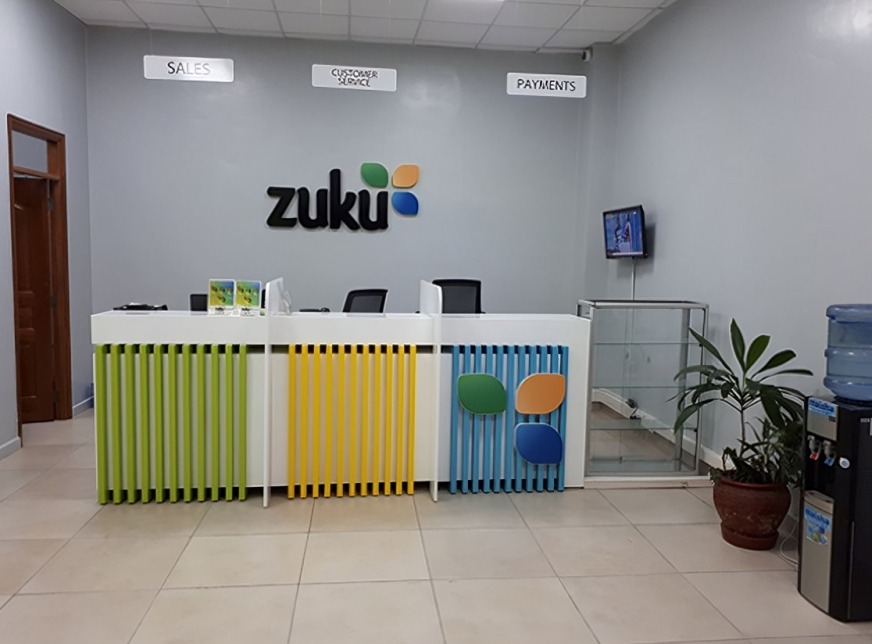
Madagascar-based Axian Telecom has officially completed its acquisition of Wananchi Group, the parent company of Kenya’s Zuku brand, marking a major milestone in the region’s telecommunications sector. The deal, which grants Axian a 99.63 percent stake in the company, signifies the group’s entry into Kenya’s fixed-connectivity infrastructure market and strengthens its position in East Africa’s most advanced digital economy.
The acquisition follows nearly 18 months of negotiations and regulatory approvals, culminating in final clearance by the COMESA Competition Commission in December 2024. Although the transaction value remains undisclosed, the deal has received strong international financial backing. The International Finance Corporation (IFC) confirmed it is part of a consortium of debt investors supporting the acquisition, anchored by a $550 million (Sh71 billion) bond issuance, of which $75 million (Sh9.6 billion) was allocated specifically for the Wananchi takeover.
Axian Telecom Fibre CEO Bertrand Lacroix stated that the company is now focused on investing heavily in expanding fibre coverage across Kenya. He emphasized Axian’s commitment to delivering high-speed internet to millions of Africans while doubling its fixed broadband base and achieving strong revenue growth. The acquisition will see Wananchi integrated into Axian Telecom Fiber, a newly formed subsidiary that consolidates all fixed-connectivity operations under one strategic unit.
Group CEO Hassan Jaber described the acquisition as both a market expansion and a strategic step toward accelerating digital connectivity for homes and businesses. He noted that entering Kenya—the continent’s most advanced digital economy—allows Axian to solidify its regional presence and enhance its service portfolio, which already spans mobile and fintech operations in countries such as Tanzania, Madagascar, Comoros, Senegal, and Togo. Wananchi’s inclusion now completes Axian’s fixed broadband offering, filling a critical gap in its business model.
For Kenya, the acquisition represents a promising shift for Zuku customers, who have long faced service interruptions and limited coverage. With new capital and operational expertise, Axian aims to modernize the network, expand its reach beyond the current six-county footprint, and improve service reliability. Wananchi’s management confirmed that existing operational teams would remain intact during integration, ensuring continuity as Axian brings new momentum to Kenya’s broadband market.
